Going Away for a Few Days: How to Feed Your Fish
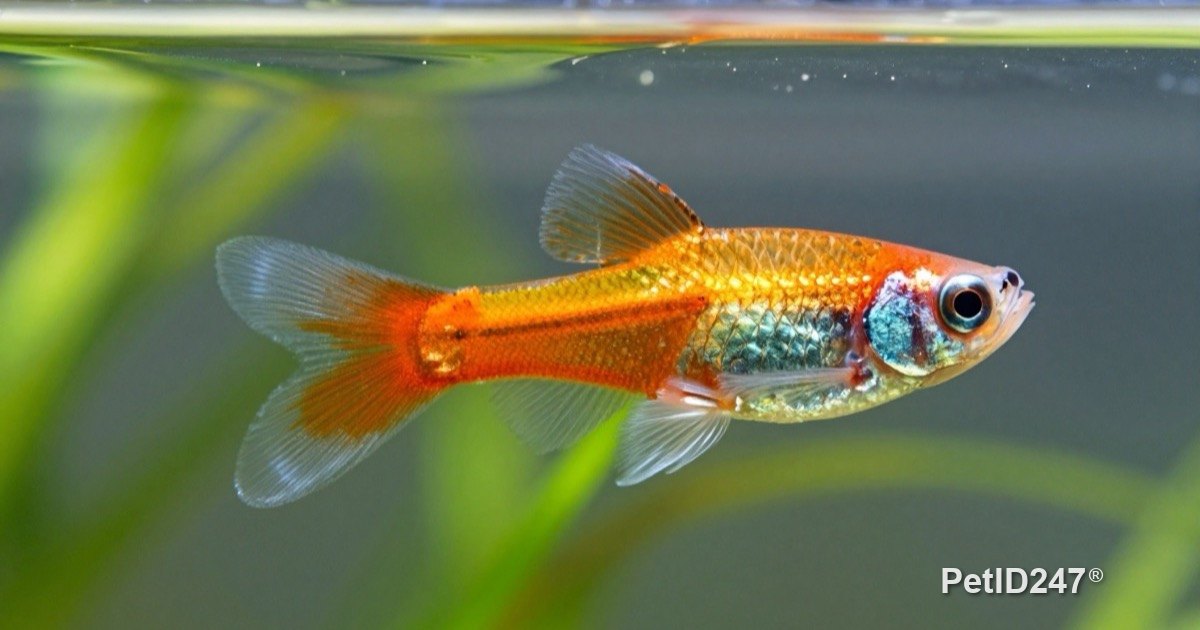
AI-generated illustration
Before a trip, many people overfeed their fish so they won't go hungry. Learn why that's a mistake and how to look after your tank while you're away.
You're heading off on a work trip or a few days' visit to family, and the first question is: who will feed the fish? A common reflex is to pour in lots of food before you leave. That is actually one of the easiest ways to ruin a tank. The good news is that healthy adult fish cope with fasting better than you might think.
How long can fish go without food?
Fish are cold-blooded and use far less energy than dogs or cats. In an established tank they can also pick at algae, microorganisms and debris. So most healthy adult aquarium fish can go a few days without food with no significant harm.
However, take more care in these situations:
- Fry and juveniles: they need several meals a day and shouldn't be left to fast.
- Fish that are sick, recovering or newly arrived.
- Very small fish with fast metabolisms, or tanks kept at high temperatures.
- New, unstable tanks: water quality can swing while you're not there.
If your trip is longer than a few days, or your tank falls into one of these groups, arrange for someone to look after it or use an automatic feeder.
The mistake: feeding lots before you leave
Fish can't store up food like a camel. Extra food sinks to the bottom, rots and produces ammonia. While you're away, nobody changes the water or removes leftovers. You may come home to cloudy, smelly water and fish that are gasping or dead.
Slow-dissolving vacation feeding blocks also deserve some thought. Some dissolve and cloud the water, especially in small tanks or when fish don't eat them. If you want to use one, test it once while you're at home to see whether your fish eat it and how the water changes, and read the product label carefully.
Your options while you're away
Short trips of a few days
For healthy adult fish in a stable tank, the simplest option is to add no extra food at all. Feed normally the day before you leave; don't increase the amount.
Asking someone to feed them
- Portion out each day's food in advance into small containers or bags labeled with the date. People unfamiliar with fish tend to overfeed because the fish always look hungry.
- Be clear: only the prepared portion, nothing extra.
- Write down your phone number, where the filter and heater are plugged in, and what to do if a fish dies or the water smells.
Automatic feeders
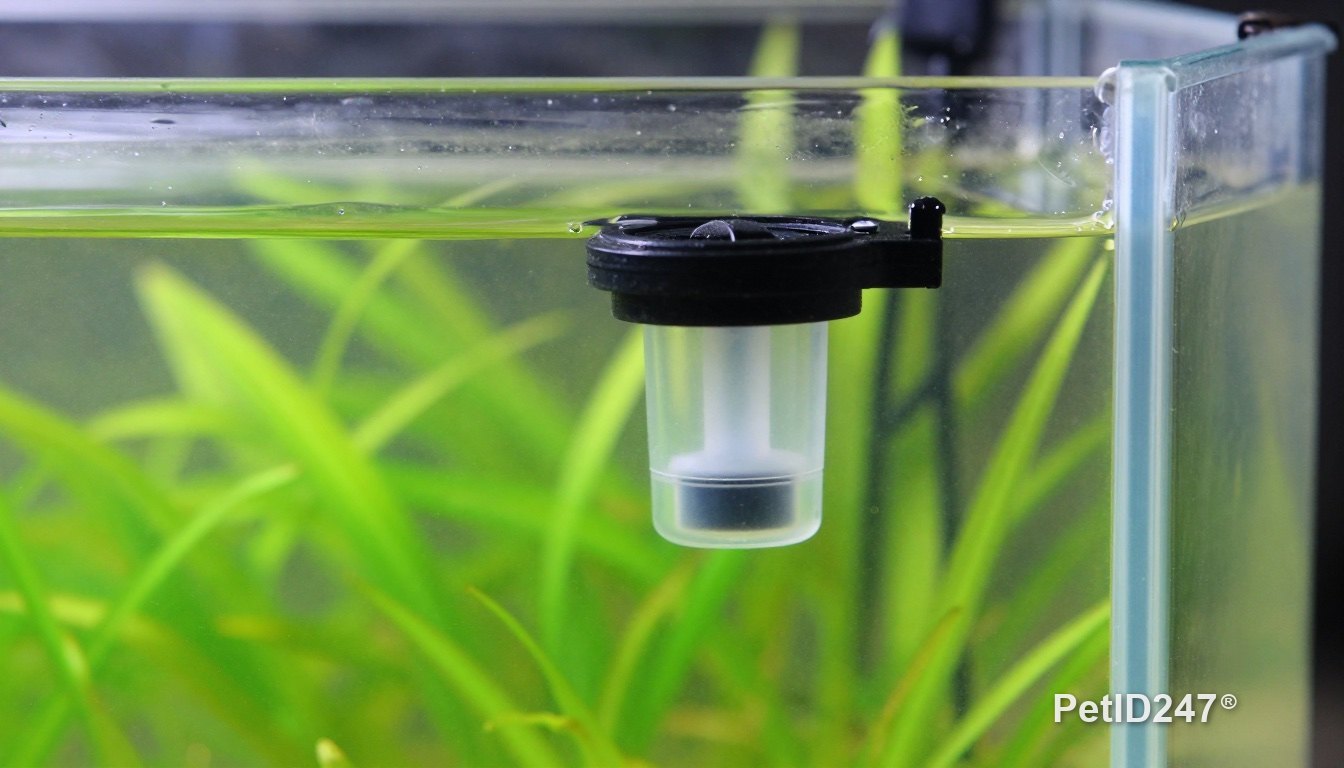
A timer drops a set amount of dry food. Install it and run it for a few days before you leave to check the portion size and make sure it works reliably. Place it where the food won't get damp, because damp food clumps and jams the feeder. Set it to the same amount you normally feed, or less, never more.
Preparing the tank before you go
- Do a partial water change and vacuum the substrate a few days before leaving, so you have time to spot anything unusual.
- Don't clean the filter right before you go, and don't change foods, add new fish or make any big changes.
- Check your equipment: filter, heater and air pump working normally, and cables safe.
- Lighting: use a timer so the lights go on and off as usual. Without a timer, leaving the lights off is better than leaving them on, since round-the-clock lighting encourages algae and stresses fish.
- Room temperature: think about a closed room heating up, or a cold season with no heater. Keep the tank out of direct sunlight.
- Power cuts: if your area has frequent outages, ask someone to check in, or prepare a battery-powered air pump.
When you get home
Don't rush to make up for lost meals with a big feed. Look at the fish first: are they swimming normally, is the water cloudy or smelly? Give one small meal, then return to the usual amount. If the water looks poor, do a partial water change and remove any leftover food. If a fish has died or others show signs of illness, remove the dead fish straight away and ask an expert before using any product.
Summary
Healthy adult fish in a stable tank can usually manage a few days without food. Don't overfeed before you leave; leftover food is the bigger danger. For longer trips, fry or weak fish, have someone feed pre-portioned meals, or use an automatic feeder you've tested. Prepare the tank a few days ahead, avoid big changes, and have someone check in if something goes wrong.
This article was prepared with the help of artificial intelligence tools and reviewed by the PetID247 editorial team before publication. It is for reference only and does not replace an examination by a veterinarian.