Joint Pain in Senior Dogs: Helping Your Dog Feel Better
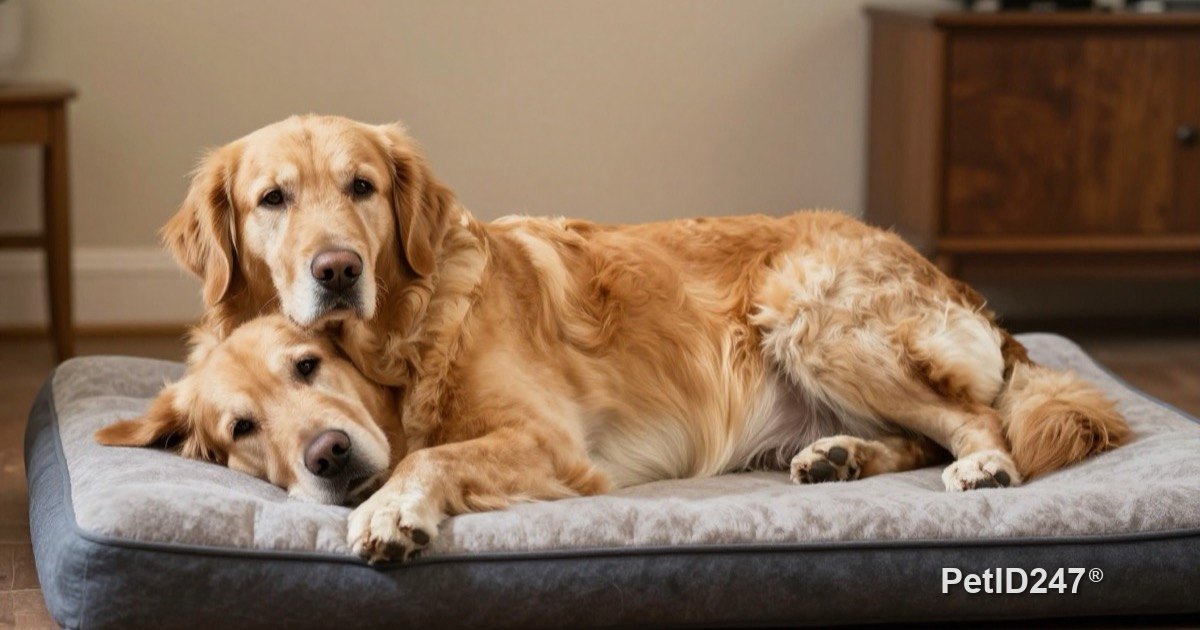
AI-generated illustration
Joint pain makes older dogs slow to rise, reluctant to move and more irritable. Learn the signs and how to adjust your home and routine to ease the pain.
Many dogs start to get up slowly as they age, hesitate at the stairs or lose their enthusiasm for walks. Owners often put this down to “just getting old”, but in many cases the real cause is joint pain. The good news is that there is a lot you can do at home to make your dog more comfortable, alongside the treatment your veterinarian recommends.
Why older dogs often have joint pain
A healthy joint has a smooth layer of cartilage and joint fluid that let the bone ends glide over each other. Over time the cartilage wears down, and the joint becomes inflamed and stiff. This is usually called degenerative joint disease or osteoarthritis. It progresses slowly and cannot be fully cured, but it can be managed so your dog hurts less.
Some factors make joints wear out sooner:
- Excess weight: every step puts extra load on the joints.
- Large and giant breeds: their joints carry more load throughout life.
- Inherited joint problems such as hip or elbow dysplasia.
- Old injuries to joints or ligaments.
Signs your dog has joint pain
Dogs rarely whimper about chronic pain. They quietly change how they live, so watch for small things:
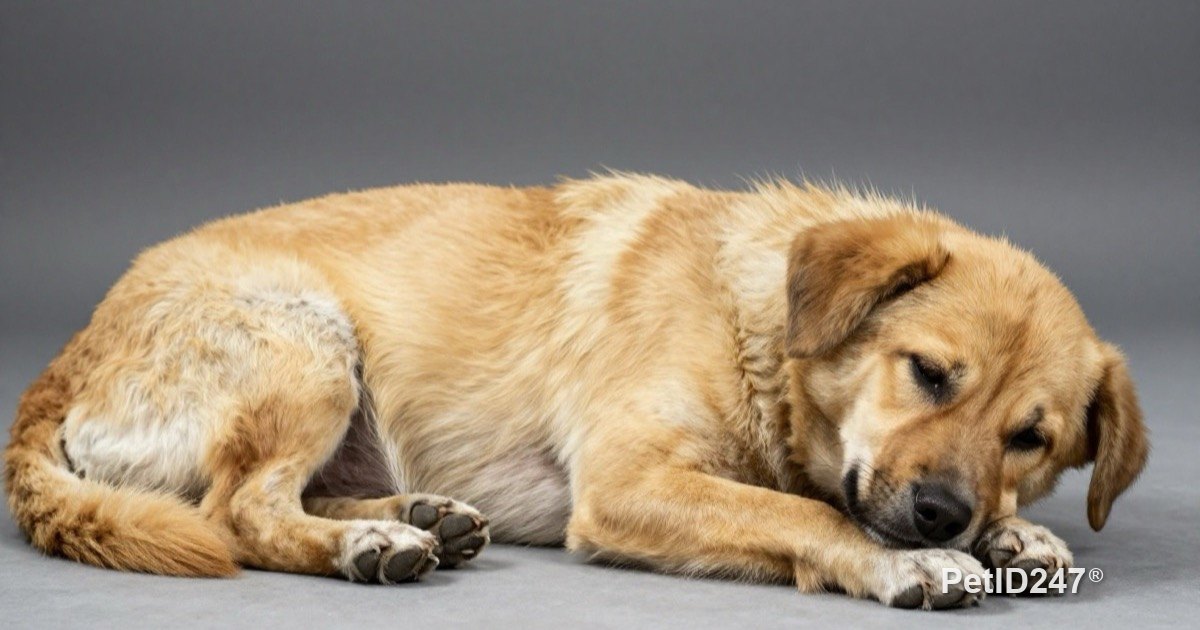
- Getting up slowly, especially after sleeping or lying down for a long time, then “loosening up” after walking a bit.
- Hesitating before jumping onto furniture or into the car, or before going up or down stairs.
- Limping, a stiff gait, shorter steps or weak hind legs.
- Tiring quickly on walks, wanting to turn back early or lagging behind.
- Licking or chewing one spot on a leg over and over.
- Being grumpier when touched on the hips, back or legs, and playing less.
- Thigh muscles gradually shrinking from lack of use.
If you notice several of these signs, have your dog examined so your veterinarian can find the cause. Joint pain can be confused with nerve problems, spinal disease or bone tumors, so don't draw conclusions on your own.
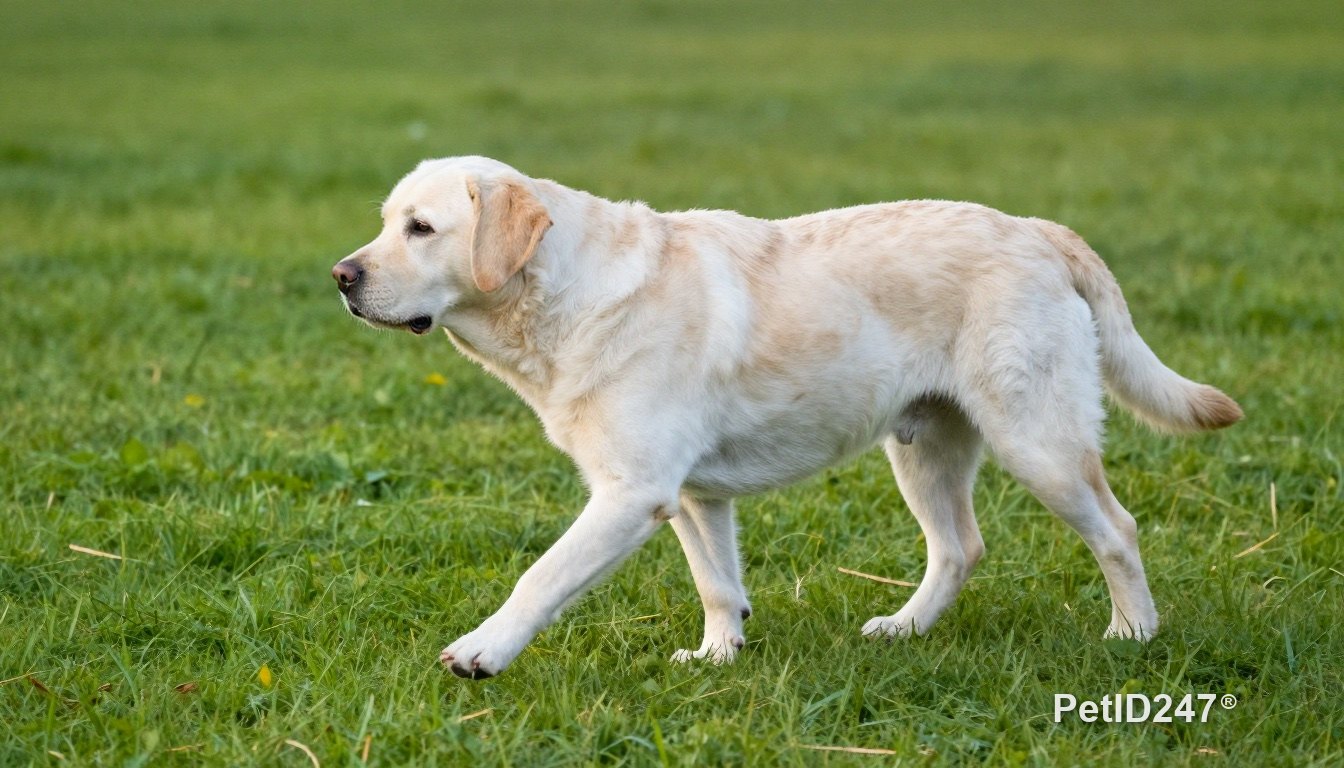
Setting up your home for a dog with sore joints
Simple changes around the house help your dog move safely and with much less pain.
Floors and walkways
- Shiny tile or polished wood floors make dogs slip, fall and strain their joints. Lay non-slip rugs along the routes your dog uses most.
- Keep nails short and trim the fur between the paw pads so the feet grip better.
- Use a gate to stop your dog climbing stairs when no one is with them.
- Add a gentle ramp or low steps if your dog is used to lying on the sofa or bed, or needs to get into the car.
Bedding
- Choose a thick, soft bed big enough for your dog to stretch out fully. Memory foam supports joints better than a thin mat.
- Place the bed somewhere dry and warm, away from drafts and cold floors, since joints tend to be stiffer in the cold.
- A bed with low sides makes it easy to step in and out.
Food and water
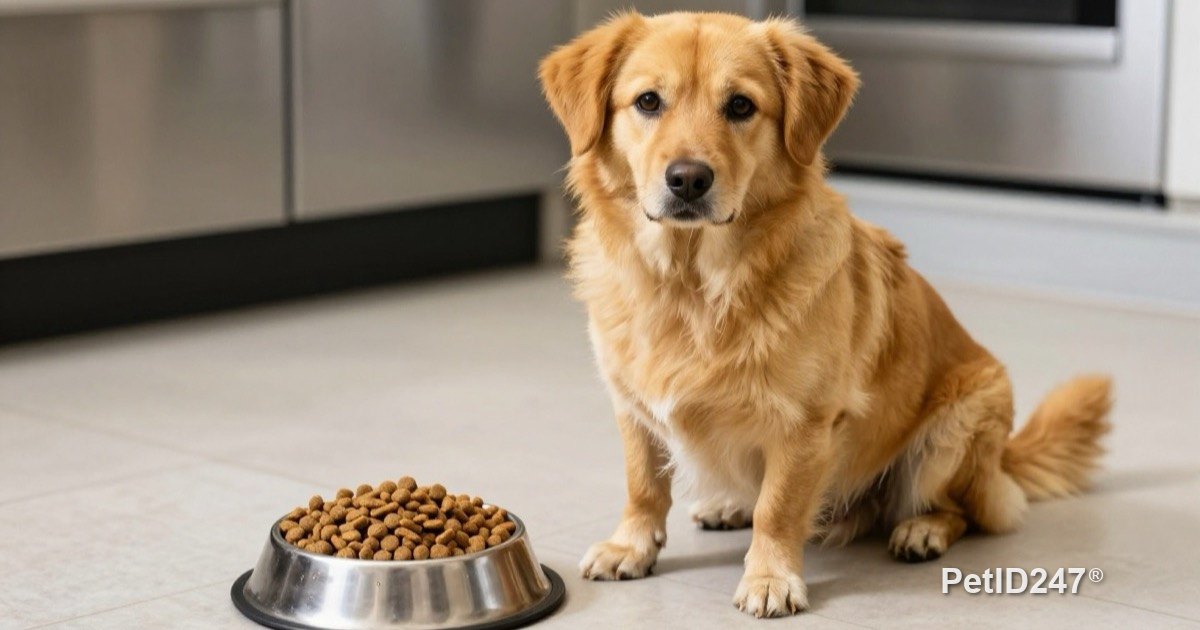
- Raise food and water bowls slightly so your dog doesn't have to bend down far.
- Put the bowls where your dog can reach them easily, without steps or a long walk.
Exercise and weight: the two most important things
Regular, gentle exercise
Dogs with joint pain still need exercise to keep their muscles strong and joints mobile. The key is to keep it regular and gentle:
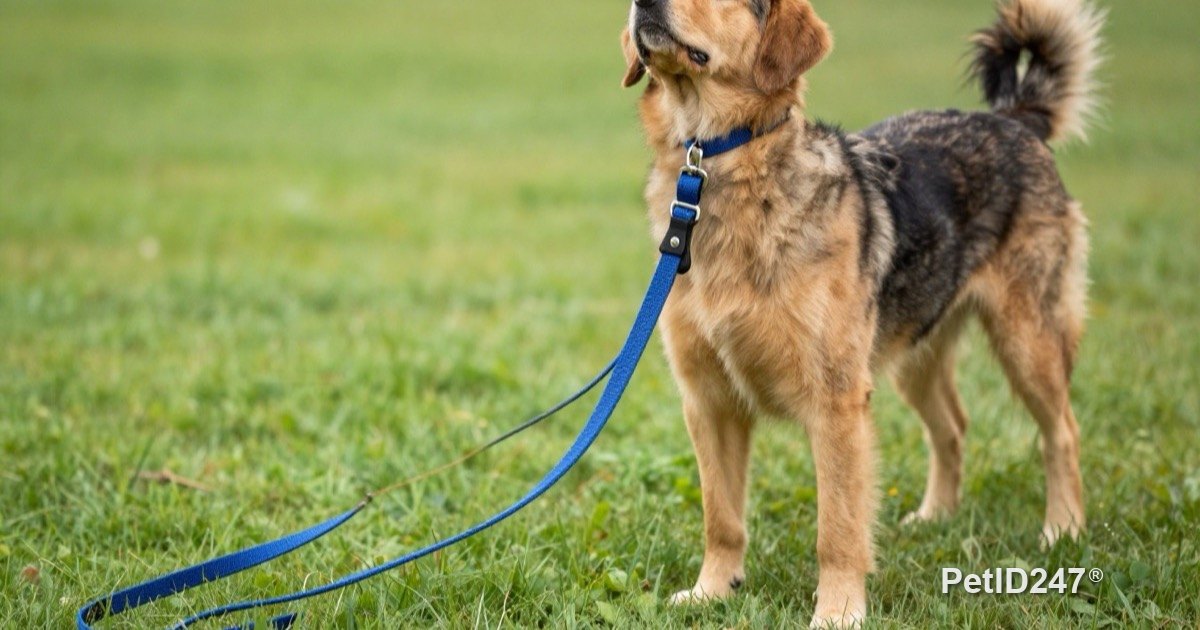
- Split activity into several short walks a day rather than one long one.
- Walk on soft ground such as grass or dirt, and avoid sudden sprints or endless ball chasing.
- Swimming or walking in shallow water is low-impact exercise, if your dog enjoys water and is supervised.
- Warm up with a few minutes of slow walking before picking up the pace.
- On days when your dog seems sorer, do less; don't push your dog to keep going once they want to stop.
Keep a healthy weight
Helping an overweight dog lose weight is one of the most effective ways to reduce joint pain. Ask your veterinarian to assess body condition and set a target weight. Cut back on treats, weigh meals instead of guessing, and lose weight gradually, never by starving your dog.
Medicines and supplements
There are pain relievers and anti-inflammatory medicines made specifically for dogs, as well as joint-support diets and supplements. All of them should be used as directed by your veterinarian. Never give your dog human painkillers, as many can cause poisoning, stomach ulcers or kidney damage in dogs. Dogs on long-term medication often need regular blood tests on the schedule your vet sets.
When to see a vet
See a vet promptly if your dog shows any of the following:
- Suddenly refusing to put weight on a leg, or a limp that is getting worse quickly.
- A swollen or hot joint, or crying out when gently touched.
- Weakness or dragging of the hind legs, wobbling, or trouble controlling urine or stool.
- Loss of appetite, vomiting, black stools or extreme tiredness, especially while on pain medication.
- Being unable to stand up alone, or panting and restless all night from pain.
Even without serious signs, senior dogs should have regular checkups so your veterinarian can monitor their joints and adjust their care in time.
This article was prepared with the help of artificial intelligence tools and reviewed by the PetID247 editorial team before publication. It is for reference only and does not replace an examination by a veterinarian.