Home-Cooked Dog Food: How to Keep It Balanced
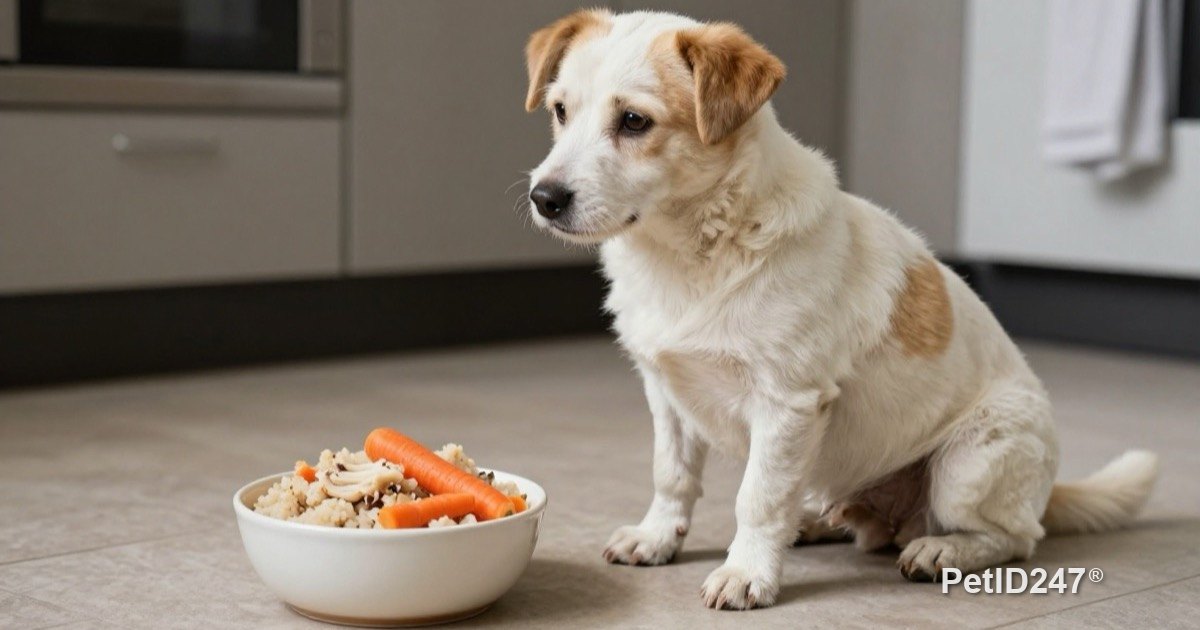
AI-generated illustration
Cooking for your dog lets you control the ingredients, but meals of only rice and meat can leave gaps. Learn the nutrients dogs need, foods to avoid and safe preparation.
Many families are used to feeding their dogs rice mixed with meat, or want to cook so they know exactly what their dog eats. Home cooking can be a good choice, but only if the meals are balanced. A long-term diet of just rice and meat can easily leave a dog short of calcium, vitamins and minerals without you noticing right away.
Pros and cons of cooking for your dog
Pros: you control the freshness of the ingredients, can avoid foods your dog can't eat or is allergic to, and many picky eaters prefer home-cooked meals.
Cons: it takes time, and it is very hard to get the nutrition right by guesswork. Dogs' nutritional needs differ from ours. They need more protein and calcium than our usual way of eating provides, while some foods that are fine for people are toxic to dogs. Growing puppies, pregnant dogs and dogs with existing health problems are even more sensitive to an unbalanced diet.
So if you plan to feed mainly home-cooked food, the safest approach is to ask a veterinarian or a veterinary nutritionist to design a recipe suited to your dog's age, weight and health.
Nutrient groups every meal needs
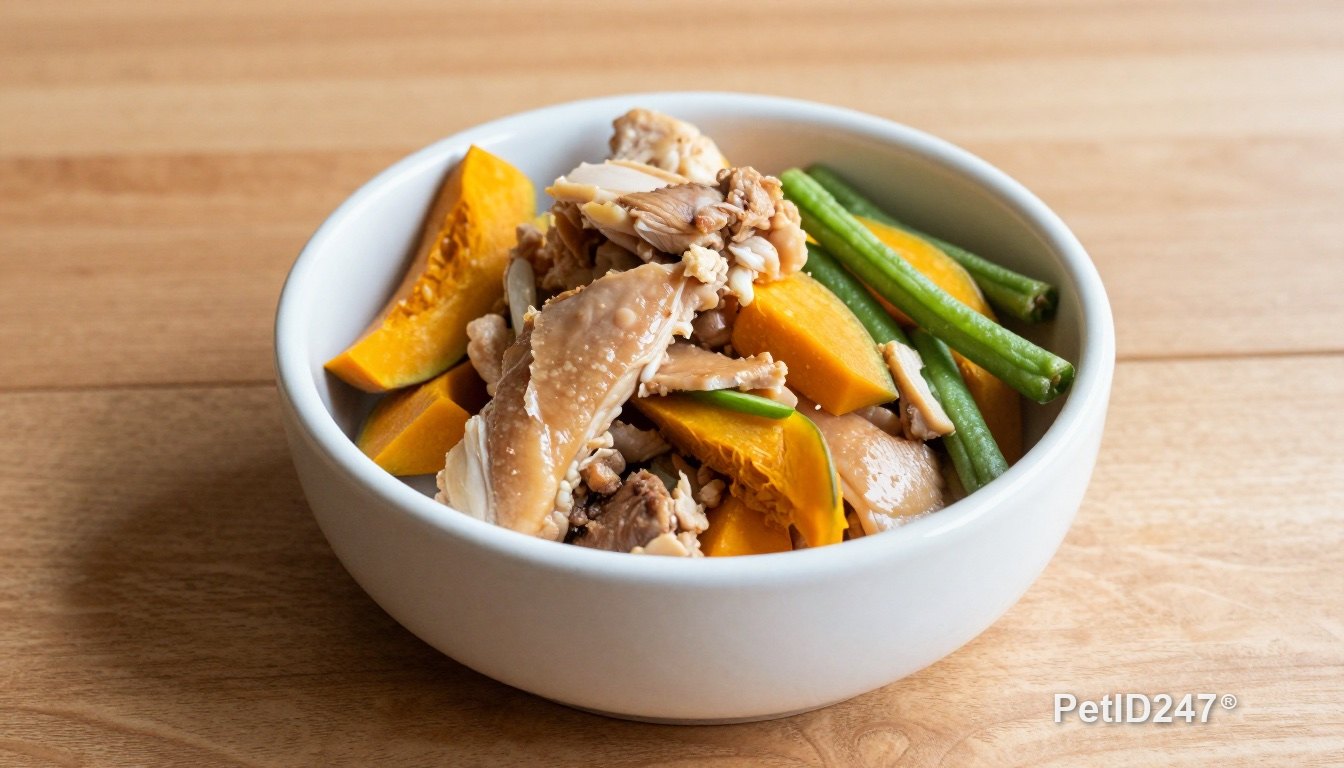
- Protein: chicken, beef, lean pork, boneless fish, cooked eggs. This should be the main ingredient. You can rotate protein sources for variety, but change gradually.
- Carbohydrates: cooked rice, sweet potato, potato, oats. They provide energy but shouldn't fill most of the bowl.
- Fats: already present in meat and fish; a small amount of cooking oil adds essential fatty acids. Too much fat can cause digestive upset or pancreatitis.
- Vegetables: cooked, chopped pumpkin, carrot, green beans, broccoli. They provide fiber and some vitamins.
- Calcium and minerals: the part most often missing. Meat is rich in phosphorus but low in calcium. Which calcium, vitamin and multi-mineral supplement to use, and how much, should follow your veterinarian's advice; always read the product label.
Foods and cooking methods to avoid
When cooking alongside the family meal, set your dog's portion aside before adding any seasoning. Never put the following in your dog's bowl:
- Onions, garlic, chives and shallots, including powders or broth cooked with them.
- Grapes, raisins, chocolate, coffee and tea.
- Foods containing the sweetener xylitol, such as chewing gum and some diet sweets.
- Cooked bones, especially chicken and fish bones, which splinter into sharp pieces that can choke or perforate the gut.
- Salty food, fish sauce, MSG, fried and very fatty foods.
- Raw or undercooked meat, fish or eggs, which can carry bacteria and parasites.
A fuller list of foods that are toxic to dogs is covered in another article on this blog if you'd like to read more.
Cooking and storage tips
- Boil, steam or cook thoroughly: with no seasoning. Cut meat into bite-sized pieces and remove all fish bones.
- Proportions as a guide: many common recipes make protein the main component, with smaller amounts of carbohydrate and vegetables. The exact proportions depend on the individual dog, so ask your veterinarian.
- Cook in batches: portion into containers, refrigerate and use within about 2–3 days; freeze the rest. Warm it up, but don't serve it hot.
- Throw away leftovers: food left out too long, especially in hot weather, spoils quickly.
- Switch diets gradually: when moving from kibble to home cooking or back, mix them over about a week so your dog can adjust.
If you don't have time to cook complete meals, combining a complete prepared dog food with a little home-cooked food is a compromise many owners choose. In that case, keep the home-cooked part small so it doesn't unbalance the diet.
Monitoring your dog after the switch
- Weigh your dog regularly and feel its ribs to know whether it is gaining or losing fat.
- Check the stools: well-formed, neither too soft nor too dry, is a good sign.
- Watch the coat and skin: a dull, dry coat or lots of dandruff may mean the diet is lacking something.
- Take your dog for regular check-ups, including blood tests if your veterinarian thinks they're needed.
Summary
Home cooking for your dog is fine as long as the meals are balanced: protein as the main part, with carbohydrates, vegetables, moderate fat and, above all, enough calcium and minerals. Don't season the food, and avoid onions, garlic, grapes, chocolate and cooked bones. Puppies, pregnant dogs and dogs with health conditions should have a recipe designed by a veterinarian. If your dog has diarrhea, vomits, loses weight or its coat and skin get worse after a diet change, see a vet.
This article was prepared with the help of artificial intelligence tools and reviewed by the PetID247 editorial team before publication. It is for reference only and does not replace an examination by a veterinarian.