Heatstroke in Dogs: Warning Signs and First Aid
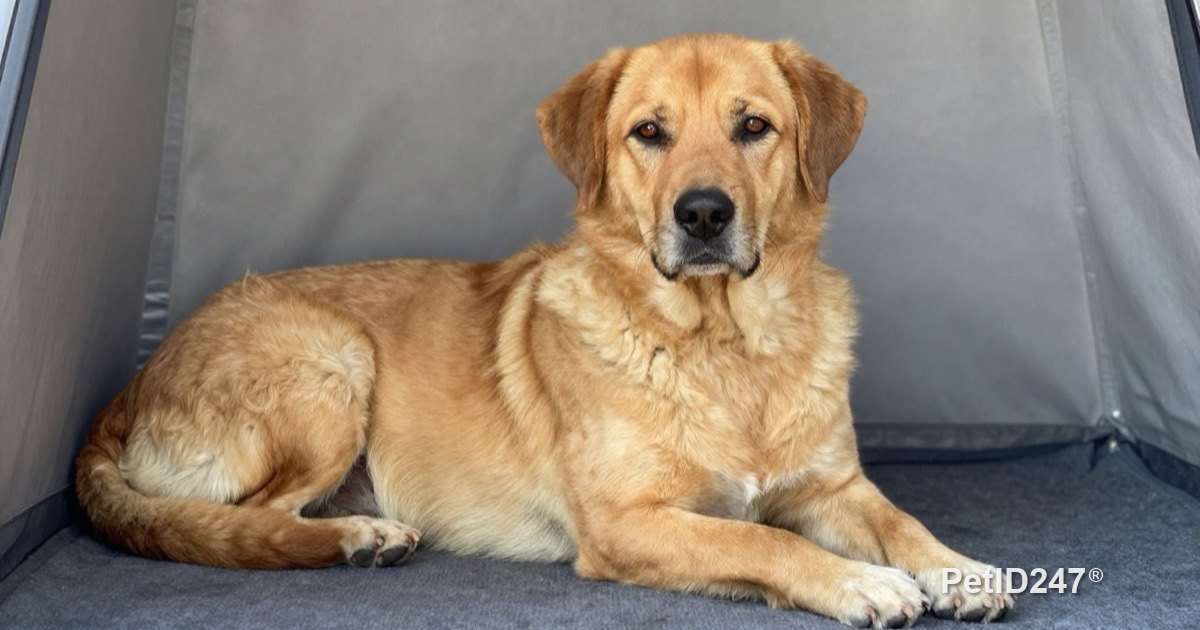
AI-generated illustration
Heatstroke can threaten a dog's life within a short time. Learn to spot the early signs, cool your dog the right way and get to a vet fast.
Dogs don't sweat all over their bodies the way people do. They mainly release heat by panting, which makes them very prone to heatstroke in hot, humid summers. Heatstroke is an emergency that can damage internal organs and cause death if it isn't treated quickly.
Why dogs overheat so easily
A dog's normal body temperature is around 38–39°C (about 100.4–102.2°F). When the air is hot and humid, panting is no longer enough to cool down. Body temperature rises fast and starts to harm the brain, heart, kidneys, gut and blood clotting.
Dogs at higher risk
- Short-faced, flat-nosed breeds: their narrow airways make cooling much less efficient.
- Dogs with thick or double coats living in hot, humid climates.
- Overweight dogs, senior dogs and puppies.
- Dogs with heart disease, respiratory disease or other chronic conditions.
- Dogs exercising hard in the midday sun or running alongside a bicycle or motorbike.
Common situations
- Leaving a dog in a closed car, even for a few minutes and with the window cracked. The temperature inside a car climbs very quickly.
- Keeping a dog on a balcony, rooftop or in a kennel without shade.
- Walking a dog on asphalt or concrete in strong sun.
- No drinking water available, or the water bowl has been knocked over.
Signs of heatstroke in dogs
Think of heatstroke if your dog has been somewhere hot or has just exercised hard and shows these signs:
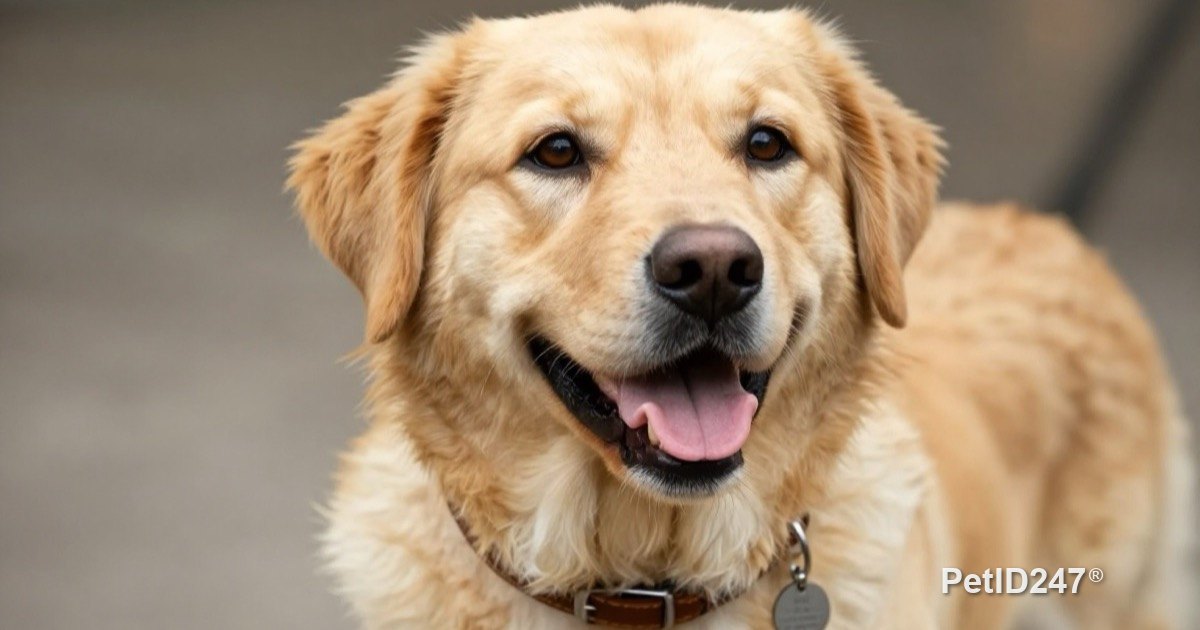
- Heavy, rapid panting with the tongue hanging far out.
- Excessive, thick drool.
- Dark red tongue and gums, which may later turn bluish or pale.
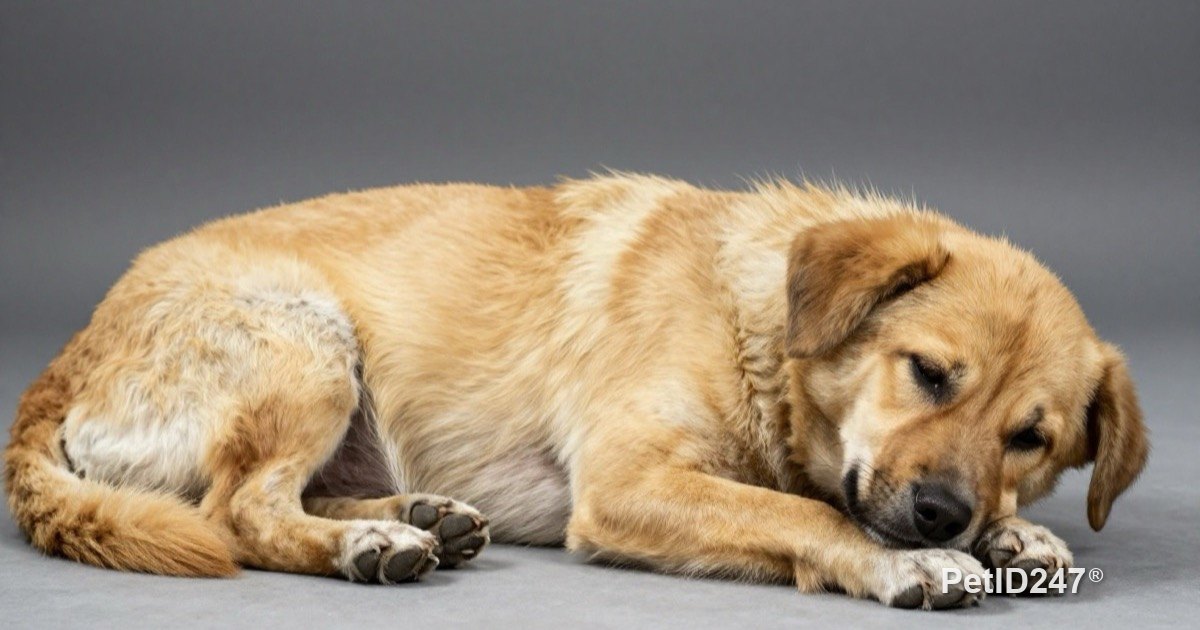
- Weakness, staggering, lying flat and unwilling to get up.
- Vomiting or diarrhea, possibly with blood.
- Confusion, unresponsiveness, seizures or collapse.
If you have a pet thermometer, a rectal temperature above 40°C (104°F) is a danger sign. However, don't waste time looking for a thermometer if your dog already shows clear signs.
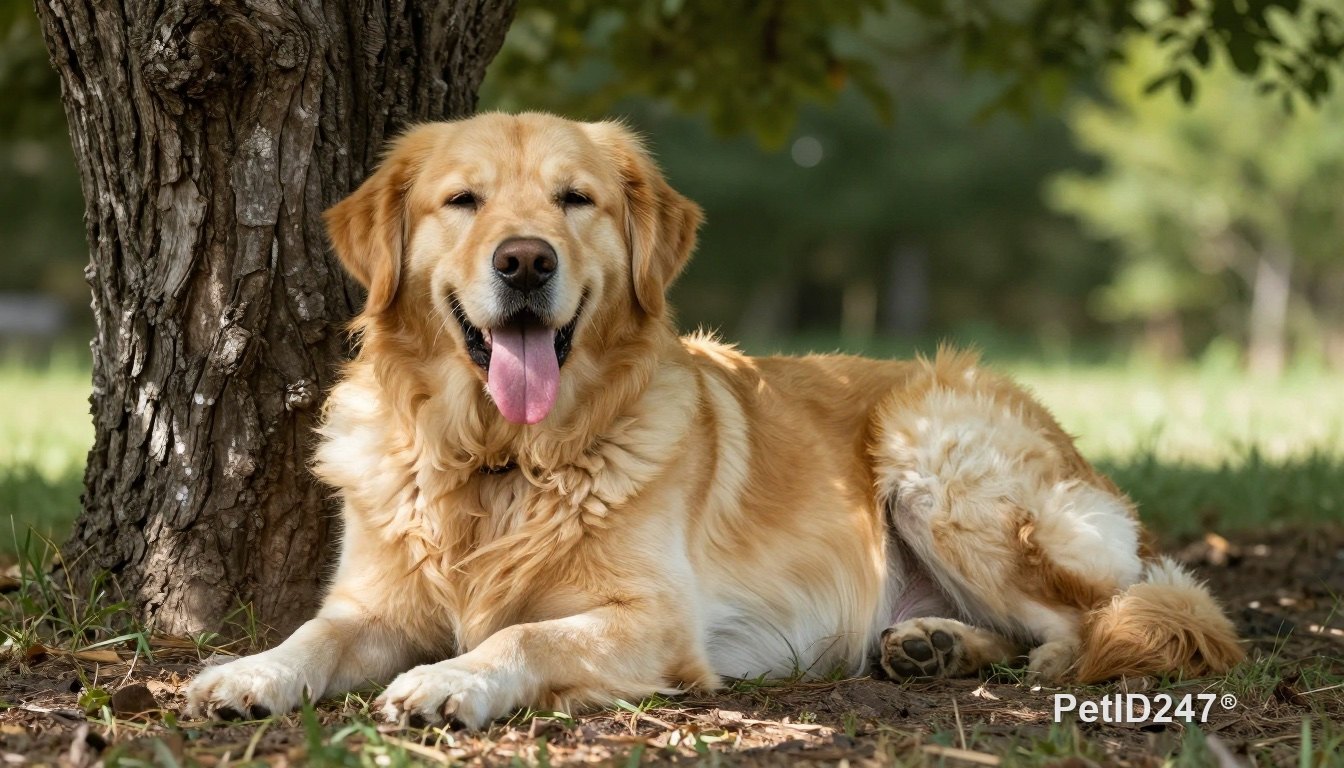
Correct first aid
The goal is to cool your dog down gradually and get to a veterinary clinic as soon as possible. If someone is with you, one person gives first aid while the other calls ahead to the vet.
- Move your dog somewhere cool immediately: into the shade, or a room with a fan or air conditioning.
- Wet your dog with cool or room-temperature water: pour or gently run it over the whole body, paying attention to the neck, armpits, groin and belly. Don't use ice or very cold water, which can constrict the blood vessels in the skin and trap heat inside.
- Create airflow: point a fan at your dog so the water evaporates and carries heat away faster.
- Don't cover your dog completely with wet towels: a wet towel left in place holds heat in. If you use towels, keep replacing them and leave the body exposed to moving air.
- Offer small amounts of water if your dog is alert: let it drink on its own. Never force water or pour it into the mouth of a drowsy dog, as it could choke.
- Head to the vet right away, while continuing to cool your dog on the way, for example with the windows open or the car air conditioning on.
If you can take your dog's temperature, many first-aid guides recommend stopping active cooling once it falls to about 39.5°C (around 103°F) to avoid overcooling. Never give your dog any human fever medicine.
Preventing heatstroke every day
- Walk your dog early in the morning or in the evening. Press the back of your hand on the pavement: if it's too hot for your hand, it's too hot for your dog's paws.
- Always provide clean water and shade, including on outings.
- Never leave your dog alone in a car.
- Reduce exercise on hot days, especially for short-faced, senior and overweight dogs.
- Brush out dead hair regularly to keep the coat airy. Ask your veterinarian before shaving your dog, because for some breeds the coat also protects against the sun.
When to see a vet
Every suspected case of heatstroke needs a vet visit, even if your dog seems to have recovered after first aid. Heatstroke can cause kidney and liver damage, blood clotting problems and complications that appear hours or even days later. Go immediately if your dog is confused, has seizures, vomits or has bloody diarrhea, or has bluish or pale gums.
This article was prepared with the help of artificial intelligence tools and reviewed by the PetID247 editorial team before publication. It is for reference only and does not replace an examination by a veterinarian.