Goldfish Care Done Right: Tank Setup and Upkeep
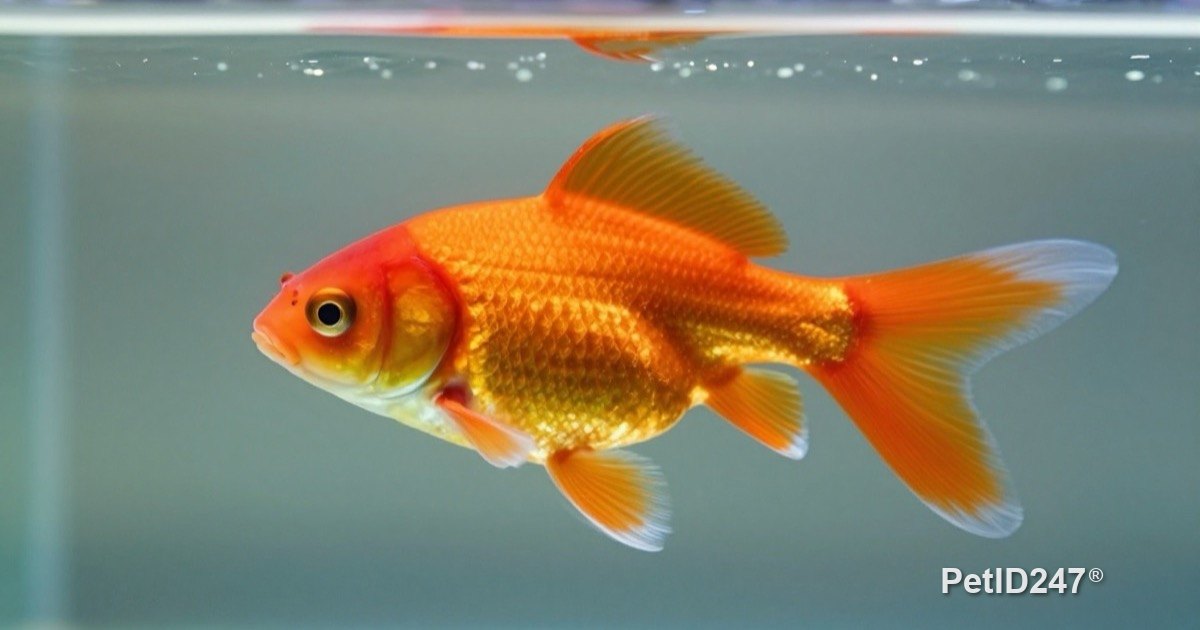
AI-generated illustration
Goldfish grow fast, produce lots of waste and can live a long time with proper care. Learn how to choose a tank, filter the water, feed them and avoid common mistakes.
Goldfish are often thought of as "easy" fish, frequently kept in small glass bowls on a desk. In reality, goldfish grow faster than many people expect, produce a lot of waste and need clean, well-oxygenated water. Kept properly, goldfish can live for many years and grow quite large. This guide helps you start the right way.
Understanding goldfish before you start
Two main groups of goldfish
- Slim-bodied goldfish: streamlined bodies, single tails and fast swimmers. These can grow very large and suit outdoor ponds or very big tanks.
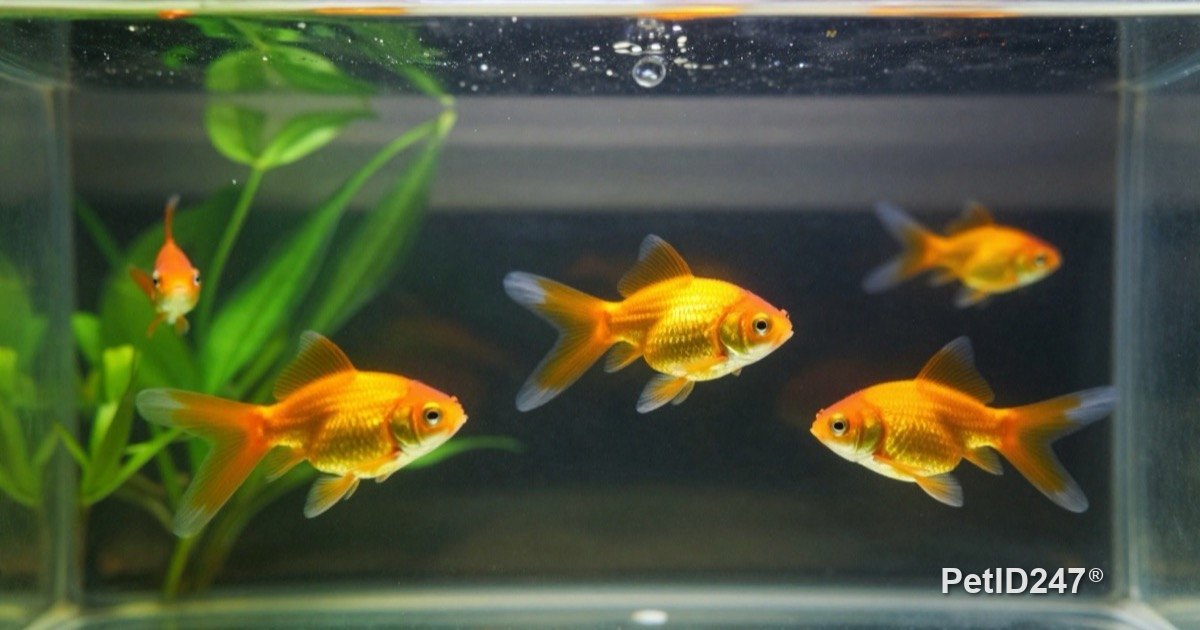
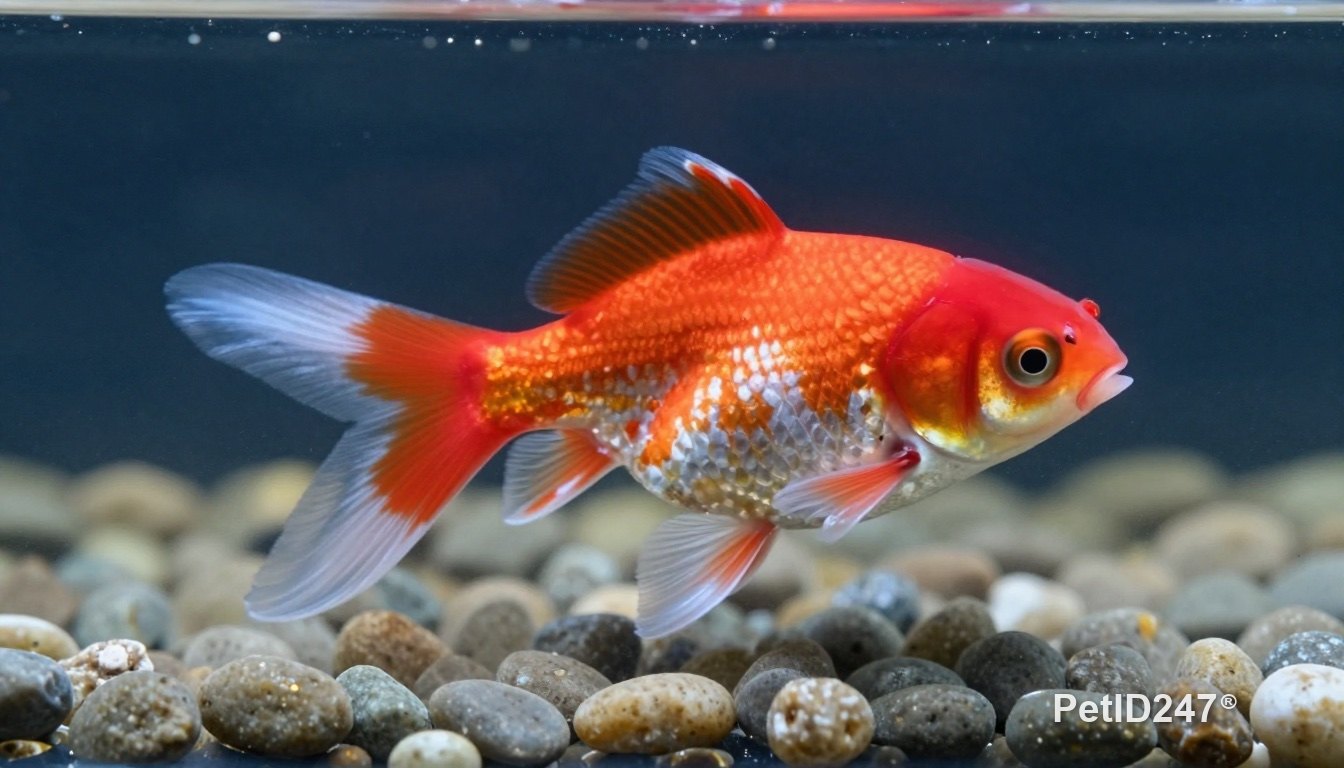
- Fancy goldfish: round bodies, double tails and many shapes such as ranchu, oranda and telescope-eye. They swim more slowly and suit indoor tanks, but are prone to swim bladder problems if not cared for properly.
Key traits to know
- Goldfish are cool-water fish and don't need warm water like many tropical species. As a common guide, fancy goldfish usually do well at approximately 18–24°C (64–75°F).
- Goldfish eat a lot and produce a lot of waste, so water gets dirty very quickly.
- Goldfish love to dig in the substrate and uproot plants.
Choosing a tank and equipment
Why not a small bowl
A small bowl holds little water, waste builds up very fast, the temperature fluctuates and it is hard to fit a filter. Fish may survive for a while but are usually stunted, sick and die early.
Tank size
The bigger the tank, the more stable the water. For fancy goldfish, many experienced keepers recommend a tank of roughly 75 liters (about 20 US gallons) or more for one or two fish, increasing as you add more, as a guide. Slim-bodied goldfish need even more space. Plan for the adult size of the fish, not just their size when you buy them.
Essential equipment
- Filter: strong enough for goldfish's heavy waste load. This is the most important piece of equipment.
- An air stone or a filter that ripples the surface to add oxygen.
- Substrate: rounded gravel larger than the fish's mouth so it can't be swallowed, fine sand, or a bare bottom for easy cleaning.
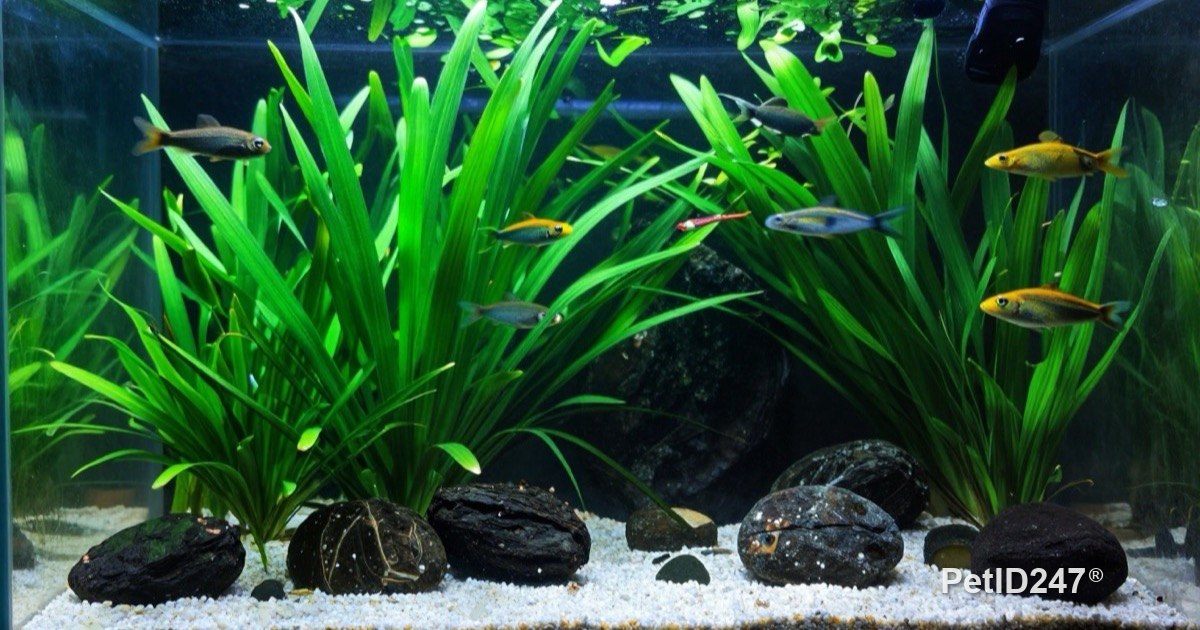
- Decor: smooth rocks and driftwood with no sharp edges. Fancy goldfish have eyes and fins that tear easily.
- A lid, thermometer and a water test kit.
- Dechlorinator or another suitable way to treat tap water; read the product label carefully.
Preparing the water and adding fish
Before adding fish, the tank needs to be cycled so beneficial bacteria can grow in the filter and process toxic waste. See our article on the nitrogen cycle for your first aquarium. When adding fish:
- Float the bag on the tank surface for a while to equalize the temperature.
- Gradually add tank water to the bag so the fish can adjust.
- Net the fish into the tank, avoiding pouring bag water into the tank.
- Turn off the tank light, let the fish rest and don't feed much on the first day.
- Start with a few fish and add more gradually over several weeks.
Daily and weekly care
Feeding
- Use food made for goldfish. For fancy goldfish, sinking food helps them avoid gulping air, reducing swim bladder problems.
- Feed small amounts that the fish finish within a few minutes, once or twice a day. Remove any leftovers.
- Occasionally add vegetables such as shelled boiled peas or blanched leafy greens.
Cleaning and water changes
- Change part of the water regularly, usually about 20–30% per week as a guide, using dechlorinated water close to the tank temperature.
- Vacuum debris from the bottom during water changes.
- Rinse filter media in old tank water, not tap water, to preserve beneficial bacteria.
- Test water quality regularly, especially during the first months.
Tank mates
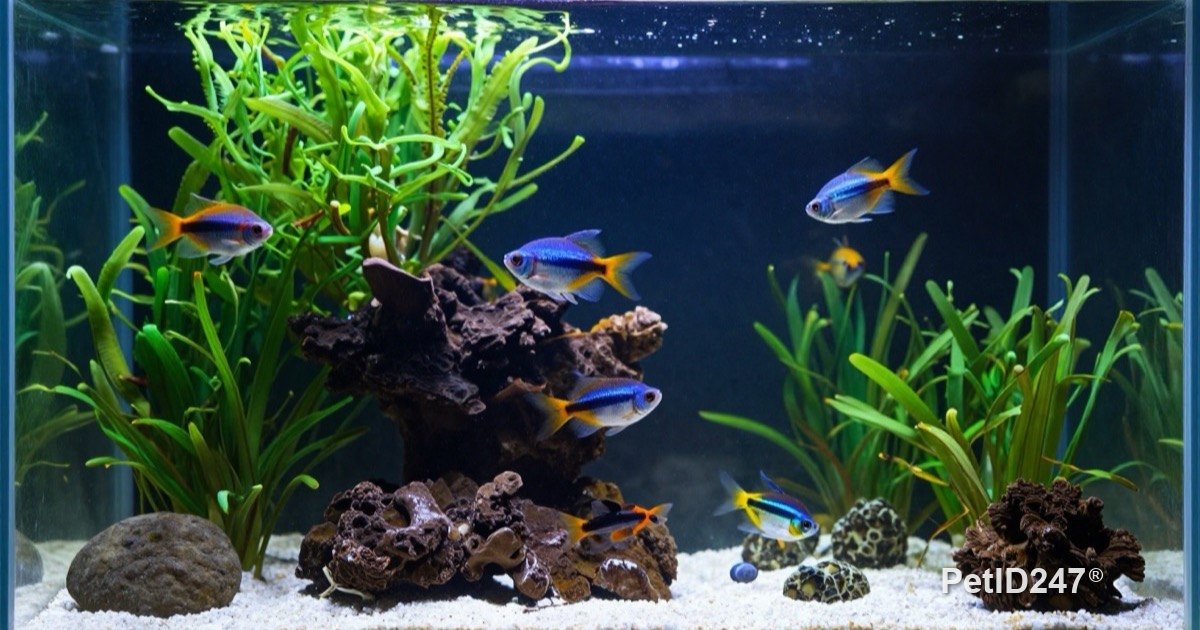
Don't keep goldfish with tropical fish that need warm water or with fin-nipping species. Fast slim-bodied goldfish can also outcompete fancy goldfish for food.
Summary
Goldfish need a roomy tank, a strong filter, clean water and plenty of oxygen, not a small glass bowl. Cycle the tank before adding fish, feed sensibly, change water regularly and care for the filter media properly. If your fish swims tilted, gasps at the surface, is sluggish, clamps its fins, or shows white spots or red marks on its body, test the water right away and consult a veterinarian experienced with ornamental fish.
This article was prepared with the help of artificial intelligence tools and reviewed by the PetID247 editorial team before publication. It is for reference only and does not replace an examination by a veterinarian.