Food Allergies in Cats: Signs and What to Do
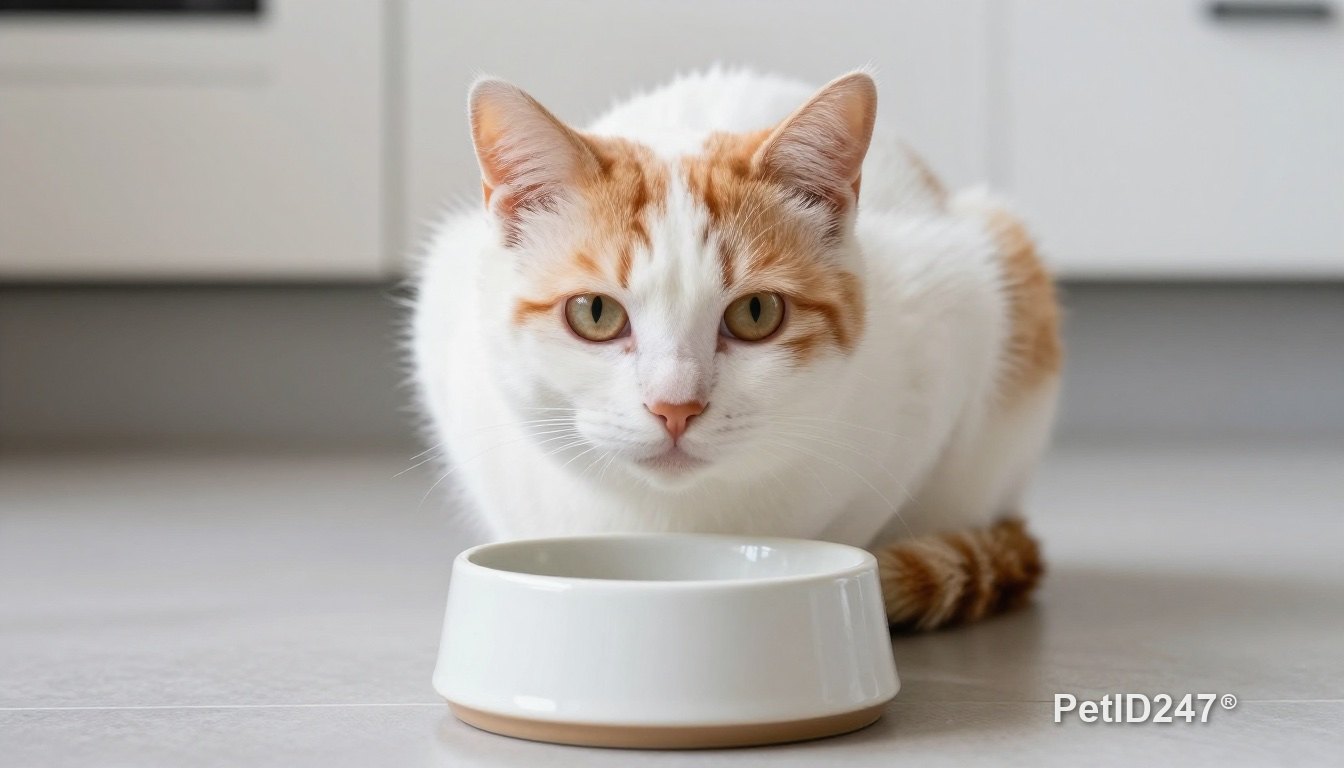
AI-generated illustration
Itching around the face, overgrooming or ongoing tummy upsets can point to a food allergy. Learn the signs and how to work with your vet to find the trigger.
A food allergy happens when a cat's immune system overreacts to an ingredient in its diet, usually a protein. It is less common than flea or environmental allergies, but it is easy to miss because the signs look like many other skin problems. Understanding it helps you avoid switching foods at random while your cat keeps itching.
Food allergy vs. food intolerance
These two are often confused. A food allergy involves the immune system and usually causes itchy skin, sometimes with digestive upset. A food intolerance means the gut struggles to digest an ingredient, such as the lactose in milk, causing diarrhea or gas without any immune reaction.
Worth knowing: cats are usually allergic to something they have eaten for a long time, not something new. Common culprits are beef, fish, chicken and dairy, simply because these are what cats eat most.
Common signs
- Itching around the head, face, neck and ears; scratching until the skin is scraped and scabbed.
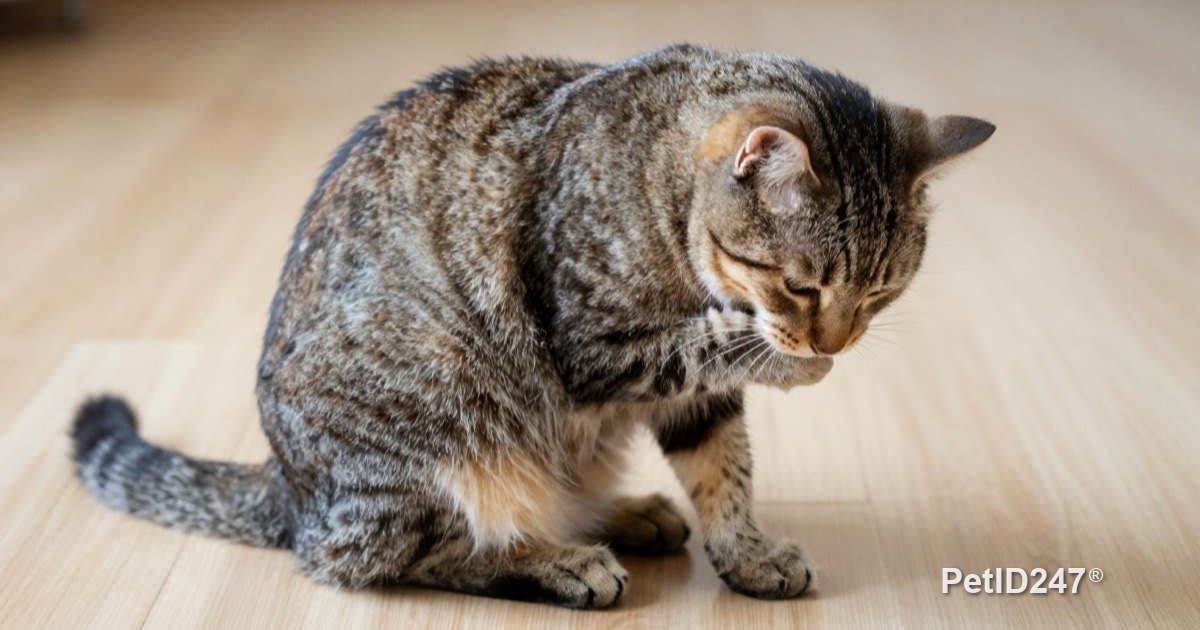
- Overgrooming, with patchy hair loss on the belly or inner thighs.
- Recurring ear inflammation.
- Ongoing vomiting, diarrhea or soft stools, or frequent bowel movements.
- Itching all year round rather than seasonally.
The same signs appear with flea allergy, ringworm, ear mites and environmental allergies. So don't assume food is to blame. Switching from one dry food to another rarely helps, because many foods share the same protein sources even when the packaging looks different.
Diagnosis: the elimination diet
There is currently no reliable blood or skin test to diagnose food allergy in cats. The standard approach is an elimination diet guided by your veterinarian.
- Your vet first rules out other causes, especially fleas, fungal infection and parasites.
- Your cat switches to a special diet: a hydrolyzed protein (protein broken into pieces too small for the immune system to recognize) or a protein your cat has never eaten. Your vet chooses which one is suitable.
- Your cat eats only that diet for roughly 8–12 weeks as a guide. No treats, no leftovers and no meat-flavored medicines without asking your vet.
- If symptoms clearly improve, your vet may suggest reintroducing the old food to confirm. If the itching returns, you have found the trigger.
Tips for a successful elimination diet
- Get the whole household on board: even a bite of fish or a single treat can spoil the whole trial.
- Multi-cat homes: feed separately and pick up bowls after meals, or feed all cats the new diet if your vet agrees.
- Outdoor cats: keep them indoors during the trial so they can't snack elsewhere.
- Keep a diary: note itch level, stool quality and weight each week to make assessment easier.
- Switch gradually: mix foods over several days to avoid stomach upset.
- Don't pick a grain-free food to cure allergies on your own: cats rarely react to grains; protein is usually the issue.
Once the trigger is known, most cats live well on a diet that avoids it for life. Read the label of every food and treat before buying.
When to see a vet
- Your cat itches heavily, scratches until it bleeds, or has sores or red, oozing skin.
- Vomiting or diarrhea lasts more than a few days, there is blood in the stool, or your cat loses weight.
- Your cat refuses food for more than about a day, especially during a diet change.
- Ear inflammation keeps coming back, or the ears smell bad or have dirty discharge.
- You want to start an elimination diet: do it with your veterinarian. Any anti-itch medicine should be used only as directed by your veterinarian.
This article was prepared with the help of artificial intelligence tools and reviewed by the PetID247 editorial team before publication. It is for reference only and does not replace an examination by a veterinarian. How we write our articles