Indoor or Outdoor Cat: Which Is Safer?
AI-generated illustration
Outdoor cats roam freely but face many dangers. Compare the two lifestyles and learn how to keep an indoor cat happy, active and healthy.
Whether to let your cat roam outside or keep it indoors is a question many owners struggle with. Each choice has its pros and cons, depending on where you live, your cat's personality and your home. This article helps you see the risks clearly, along with safer middle-ground options.
The risks of letting a cat roam freely
- Traffic accidents: one of the causes of death and serious injury in free-roaming cats, especially in busy areas.
- Fights with other cats: bites and abscesses, and a route for spreading some dangerous infectious diseases.
- Dog attacks.
- Poisoning: rat bait, pesticides, antifreeze, spoiled food and some toxic plants.
- Parasites: fleas, ticks and worms are picked up more easily and brought into the home.
- Theft or getting lost, especially when there's nothing to show the cat has an owner.
- Falls from heights, getting trapped under cars or in engine compartments, or locked in a neighbor's storeroom.
- Unplanned pregnancy if the cat isn't spayed or neutered.
In addition, cats are natural hunters and may catch birds and small wild animals, affecting local wildlife. Some places have their own rules on letting pets roam, so follow the rules where you live.
Do indoor cats miss out?
Indoor cats avoid most of the risks above. However, if their surroundings are too boring, they can develop other problems:
- Obesity from too little exercise and eating out of boredom.
- Stress, destructive scratching, toileting outside the box, overgrooming.
- Some urinary problems linked to stress and inactivity.
In other words, indoor life is safer, but it takes effort on your part to make the space interesting enough.
Enriching indoor life
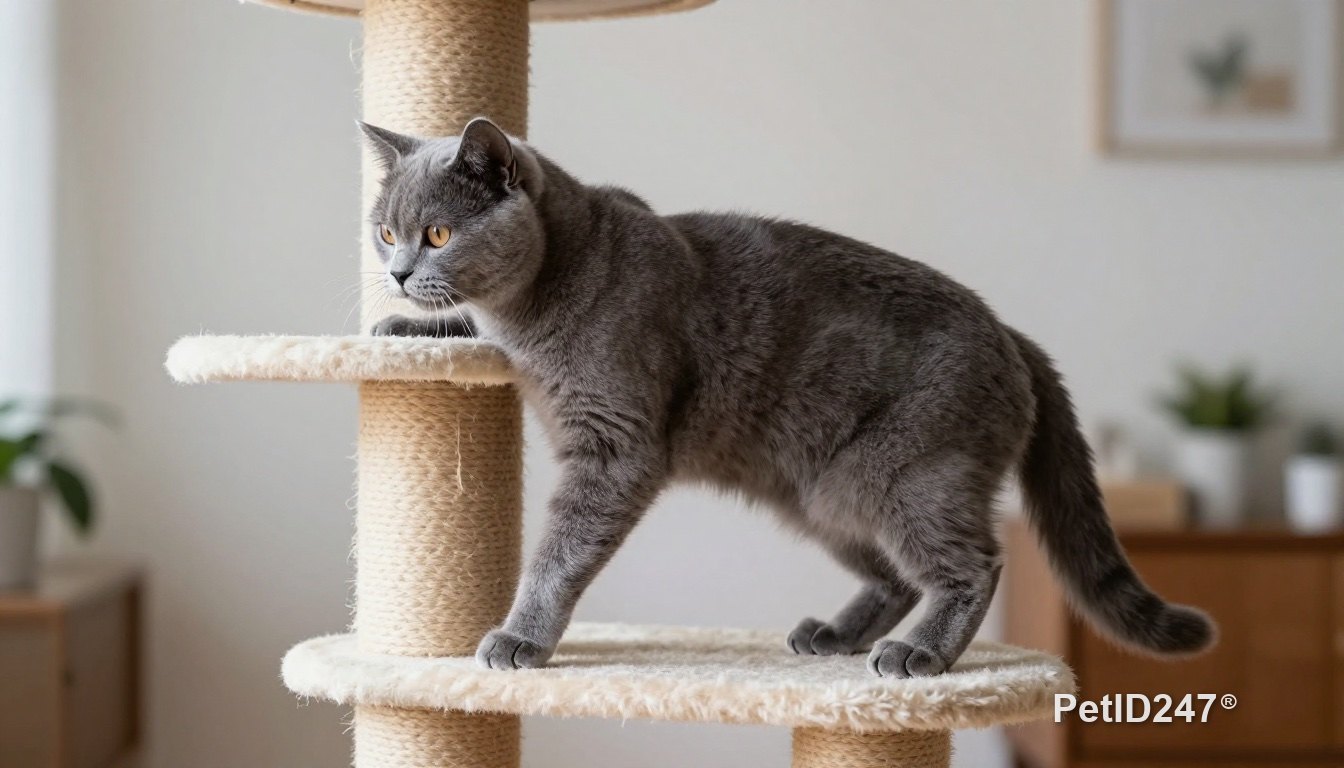
- Vertical space: cat trees, wall shelves, safe tops of cupboards. Cats love watching from up high.
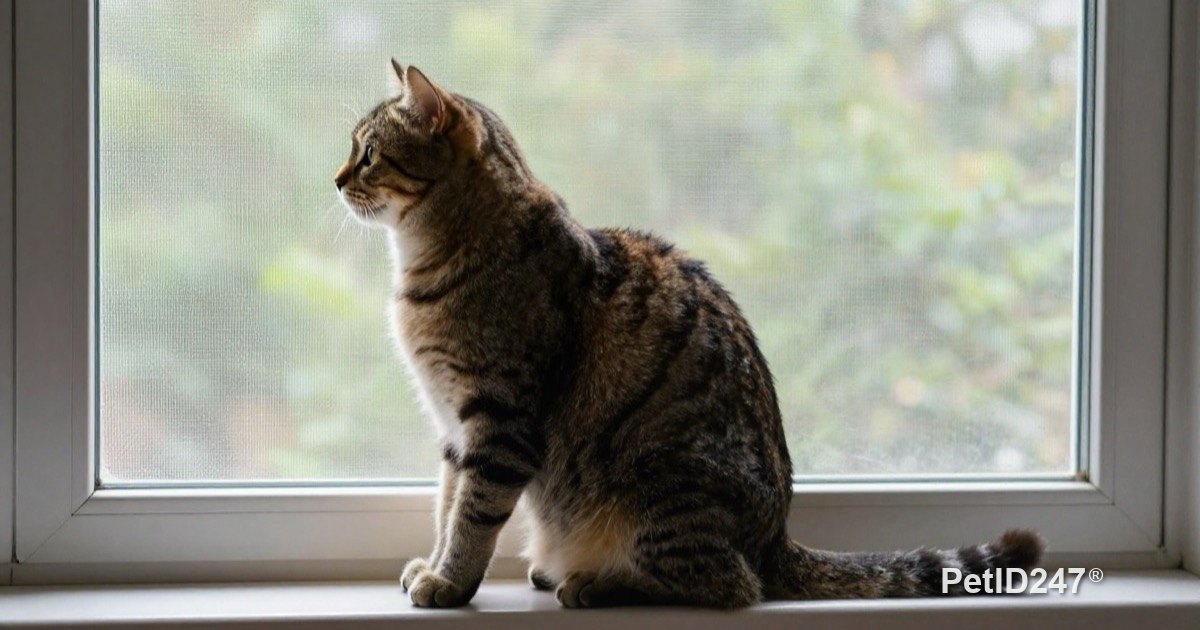
- Securely screened windows: a perch by the window to watch birds and traffic is many cats' favorite "TV channel."
- Daily play: several sessions of about ten to fifteen minutes with feather wands, balls and toys your cat can chase. End by letting your cat "catch" the prey, followed by a small meal.
- Food puzzles: treat balls, puzzle boxes, or a few pieces of kibble hidden around the house to hunt for.
- Scratching posts: both upright and horizontal, placed where your cat often walks.
- Quiet hiding spots: cardboard boxes, covered beds.
- Cat grass: grow a pot of cat-safe grass for nibbling.
Middle-ground options
If your cat really loves being outdoors, consider:
- An enclosed outdoor area: a balcony, rooftop or corner of the yard fully netted, including overhead, with places to rest and climb.
- Harness and leash training: practice gradually indoors first, then take your cat somewhere quiet. Never tie a cat up and leave it alone.
- Supervised outdoor time: only in a secure yard during the day with someone watching.
If your cat still goes outside
- Make sure your cat is neutered, vaccinated and protected against parasites as directed by your veterinarian.
- Microchip your cat and use a breakaway collar with a contact tag.
- Bring your cat in before dark and keep it indoors during rush hour.
- Check your cat's body regularly for wounds, ticks and fleas.
Summary
- Free-roaming cats face many risks: traffic, fights, poisoning, getting lost and infectious disease.
- Indoor life is safer but needs climbing space, toys and daily play time.
- Enclosed outdoor areas or leash walks are good middle-ground options.
- If your cat comes home injured, limping, weak or may have eaten something toxic, see a vet right away.
This article was prepared with the help of artificial intelligence tools and reviewed by the PetID247 editorial team before publication. It is for reference only and does not replace an examination by a veterinarian.