Short-Haired or Long-Haired Cat: Which Suits You?
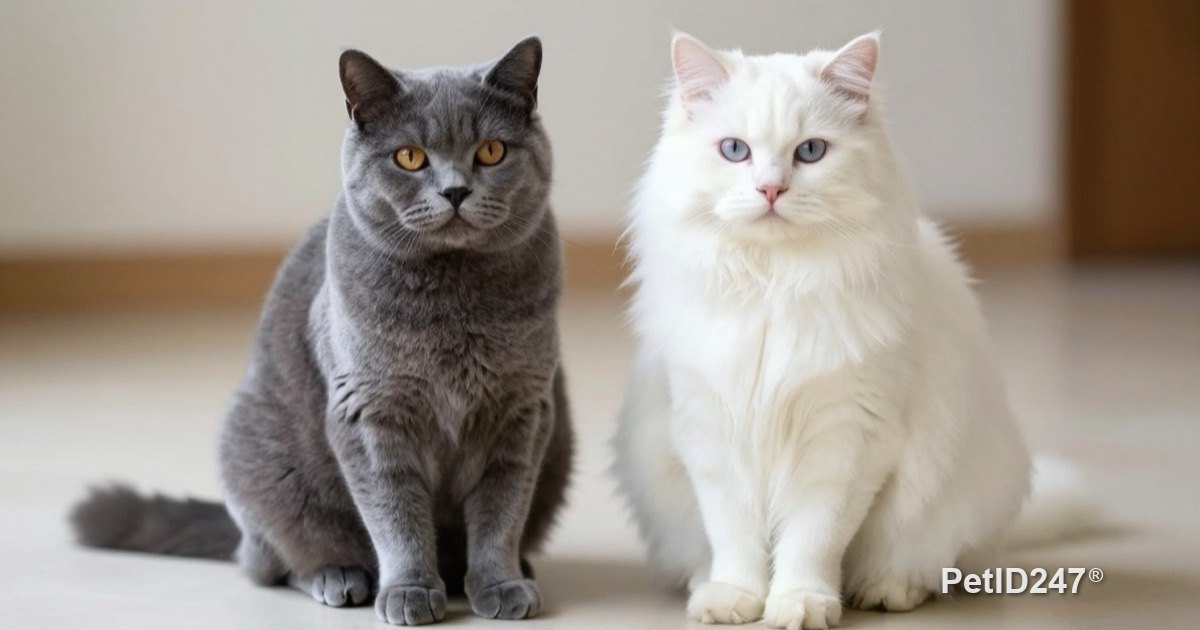
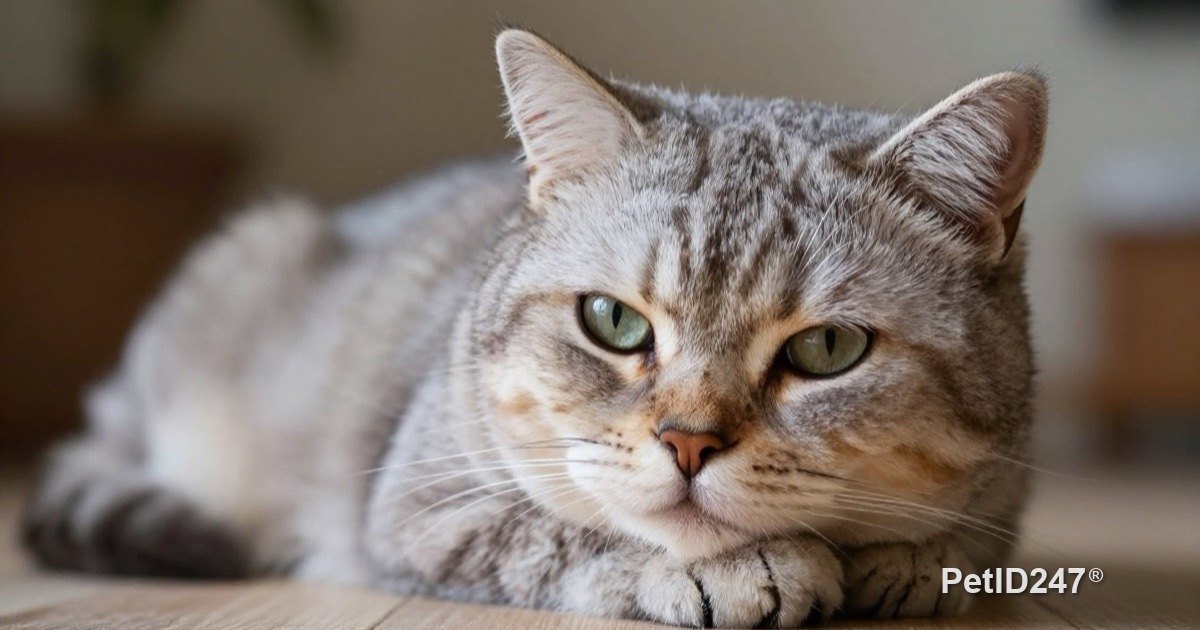
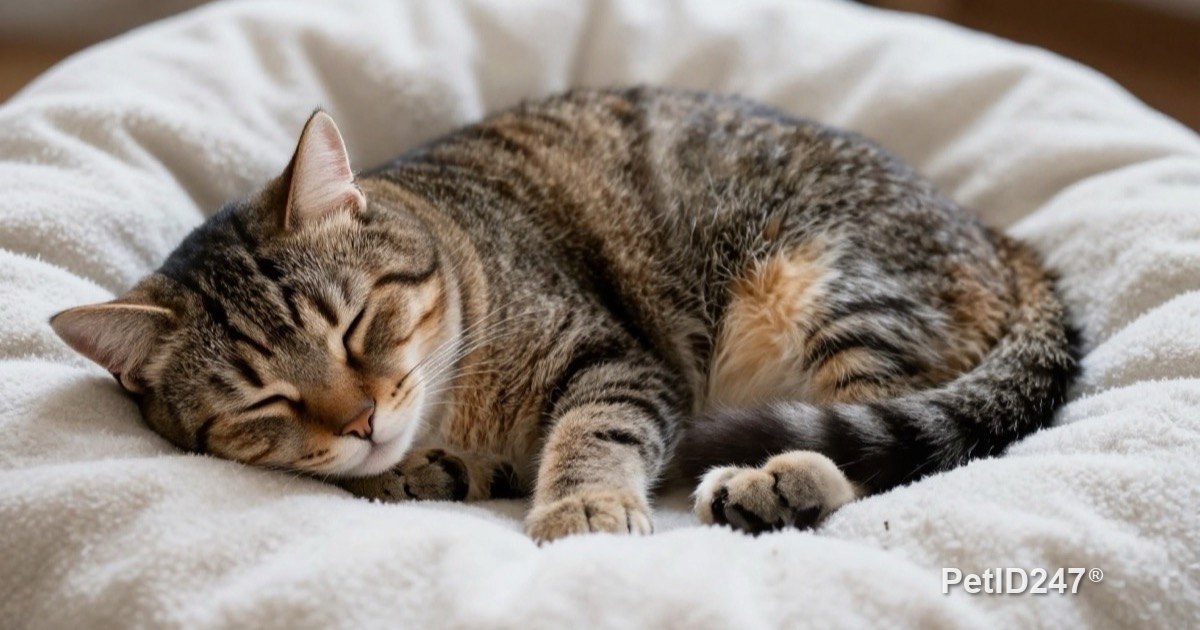
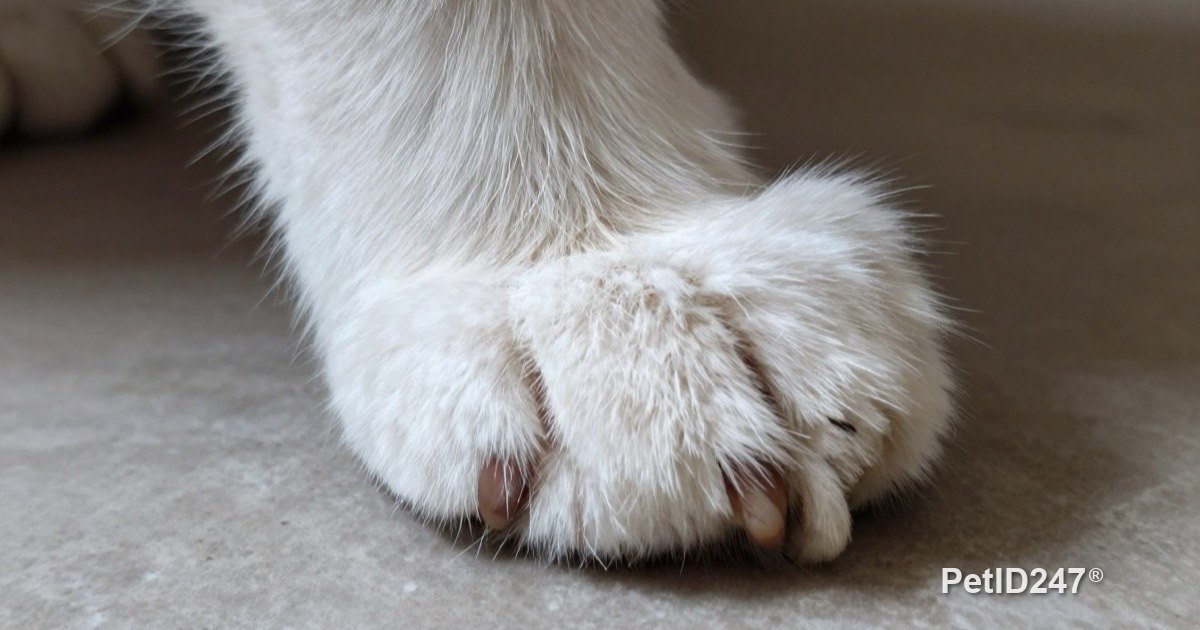
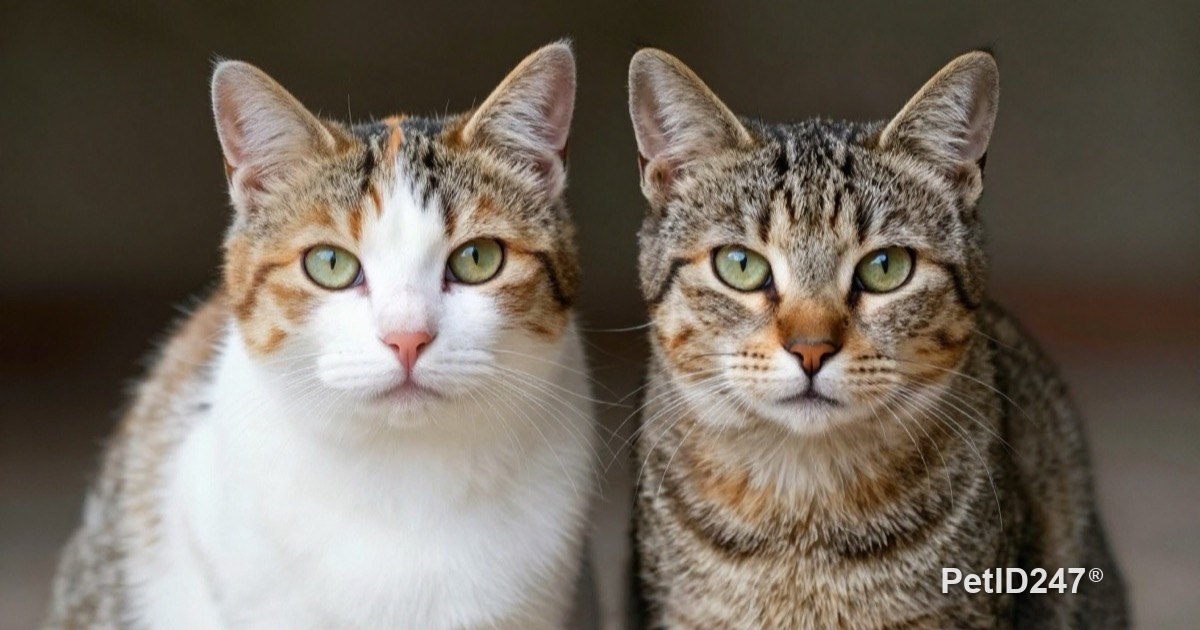
AI-generated illustration
Long-haired cats are beautiful but need much more grooming; short-haired cats are easier but still shed. Compare the two to choose a cat that fits your lifestyle.
When deciding to get a cat, many people choose by looks: a flowing long coat or a sleek short one. But coat length brings real differences in grooming time, cost and how comfortable a cat is in a hot, humid climate. This guide helps you weigh things up before choosing.
Key differences between short and long coats
Grooming time
- Short-haired cats: most groom themselves quite well. Brushing about once or twice a week is enough to collect loose hair and check the skin.
- Long-haired cats: usually need brushing almost every day, especially in the armpits, belly, behind the ears and under the tail. Skip a few days and the fur can form mats that pull on the skin and hurt.
Shedding
Both coat types shed, more so during seasonal molts. Short hairs are small and stiff and tend to weave into fabric. Long hairs are more visible and tend to clump. If you really dislike hair on your clothes and sofa, be ready for it with either type.
Hairballs and hygiene
- Long-haired cats swallow more hair while grooming and are more prone to vomiting hairballs if not brushed regularly.
- Long fur around the rear easily gets soiled, so it needs trimming or frequent wiping.
- Long-haired cats may need an occasional bath; healthy short-haired cats rarely do.
Hot weather and shaving
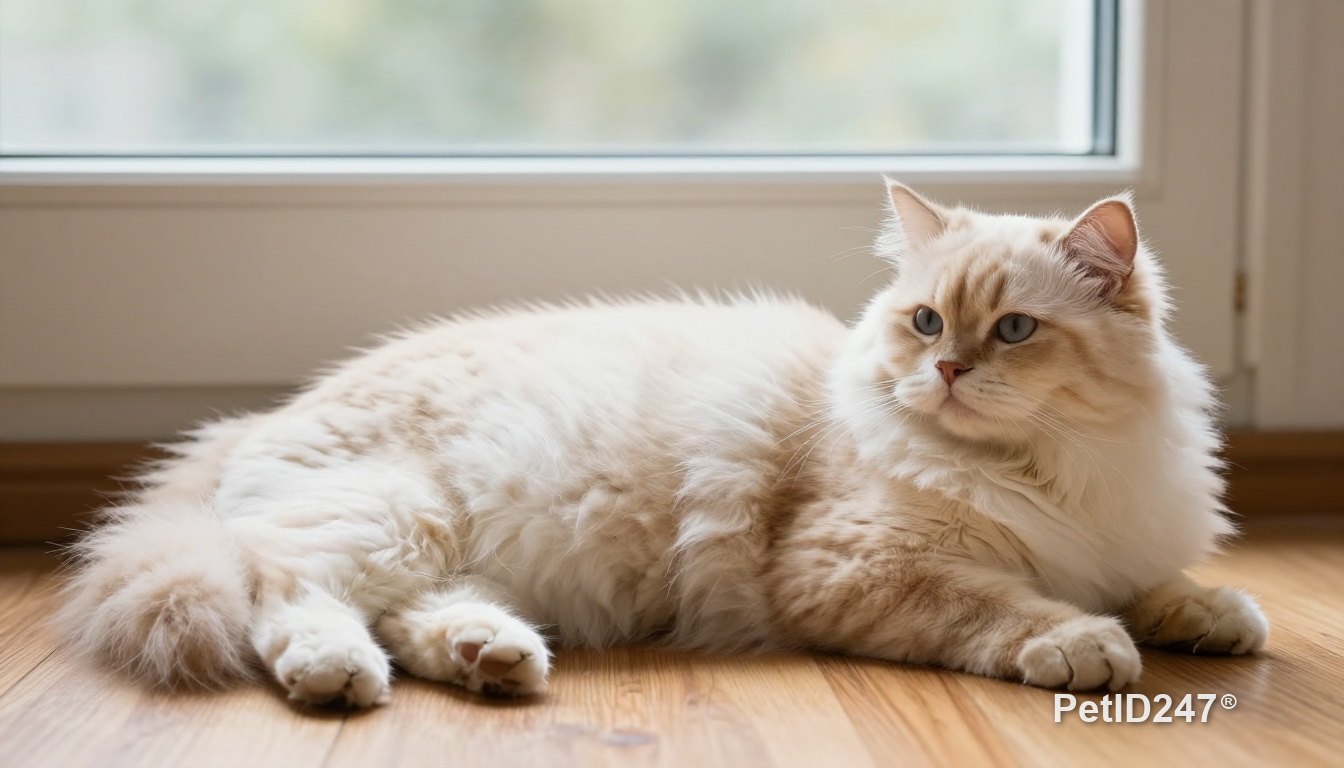
In hot, humid places, long-haired cats can be more uncomfortable in summer, especially when the coat is matted and doesn't let air through. The way to keep them cooler is regular brushing to keep the coat loose and free of dead hair, a well-ventilated room and constant access to clean water.
Shaving a cat isn't always a good idea. The coat also protects the skin from sun and insects; a close shave can leave the skin prone to scrapes and sunburn, and the process itself stresses many cats. If shaving is needed for severe matting, ask an experienced groomer or your veterinarian, because cat skin is thin and very easy to cut.
Cost and your time
- Tools: long-haired cats need a wide-toothed comb, a fine-toothed comb and a detangling brush. Short-haired cats usually need just a soft brush or grooming glove.
- Grooming services: many owners of long-haired cats book regular trims with a pet groomer, which adds cost.
- Daily time: ask yourself whether you can spare about ten minutes a day for brushing, for many years. Cats can live fifteen years or more.
Allergies: coat length isn't the deciding factor
Many people believe short-haired cats cause fewer allergies. In reality, the main allergens are found in a cat's saliva, skin and oil glands, and spread onto the fur when the cat grooms. No cat breed is completely allergen-free. If someone in your home has allergies, spend time around cats before adopting and ask that person's doctor for advice.
Choosing by lifestyle
- Busy, short on time, or a first-time cat owner: a short-haired cat is usually easier.
- Have time and enjoy grooming as bonding: a long-haired cat may be a good fit.
- Homes with young children: temperament matters more than coat length. Meet and observe the cat before adopting.
- Adopting an adult cat: you know its personality and coat condition from the start.
Whichever you choose, get your cat used to brushing, nail trims and being handled from a young age. It makes care much easier later on.
Summary
- Short-haired cats are easier to care for but still shed; long-haired cats need brushing almost daily.
- Don't shave a cat just because it's hot; regular brushing helps keep it cooler.
- Coat length doesn't determine allergies.
- If your cat's skin is red, has patchy hair loss, is very itchy or the coat has large mats, see a vet.
This article was prepared with the help of artificial intelligence tools and reviewed by the PetID247 editorial team before publication. It is for reference only and does not replace an examination by a veterinarian.