Ear Mites in Cats: Signs and How to Clean Ears
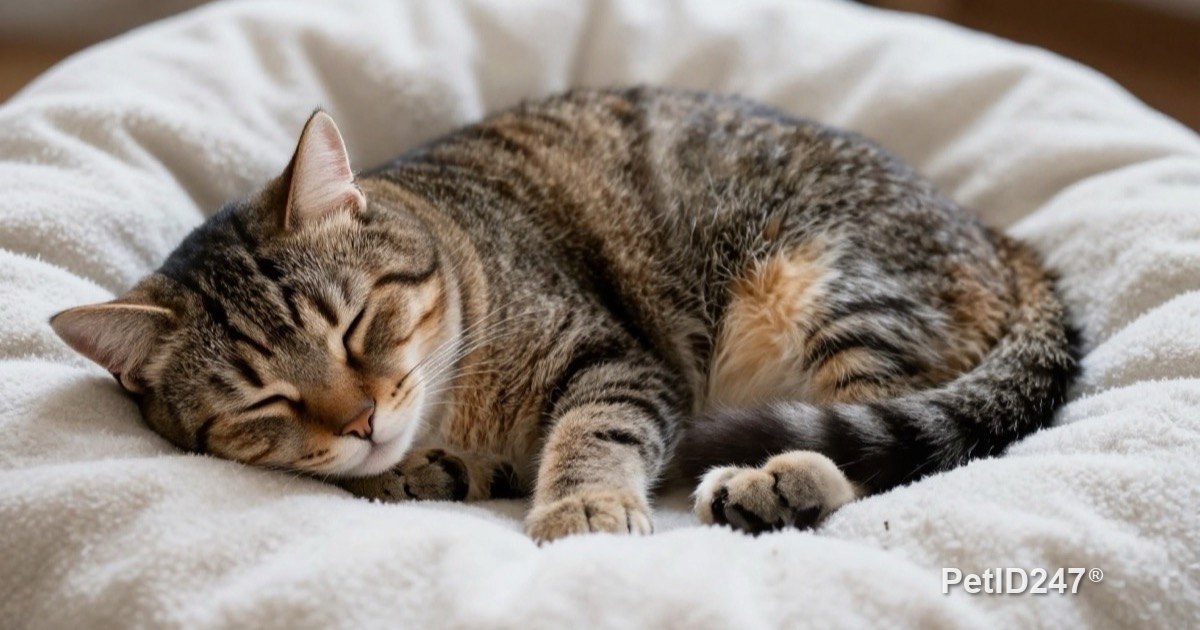
AI-generated illustration
Ear mites cause intense itching and dark, coffee-ground-like earwax, and they spread fast. Learn how to recognize them, clean ears properly and stop mites from coming back.
If your cat keeps scratching its ears, shakes its head and has dry, dark brown wax that looks like coffee grounds, ear mites are a likely cause. These tiny parasites live in the ear canal and are common in kittens and cats that have lived outdoors. Ear mites aren't hard to treat once properly diagnosed, but they easily return if only one pet is treated and the rest of the household is ignored.
What ear mites are and how they spread
Ear mites are minute mites, barely visible to the naked eye, that live on the skin surface of the ear canal and feed on skin debris and secretions. They cause strong irritation, making the ear produce lots of wax.
- They spread through close contact between cats, between cats and dogs, and especially from mother cats to kittens.
- They're common in kittens, newly adopted cats and cats from crowded environments.
- Ear mites rarely cause problems in people.
Signs to look for
- Scratching at the ears, head and neck, sometimes enough to cause scrapes and scabs.
- Frequent head shaking or head tilting.
- Dry, dark brown to black, crumbly wax like coffee grounds.
- An unpleasant smell from the ears.
- Hair loss and red skin behind the ears.
- An ear flap that swells up like a water balloon: this may be an aural hematoma from scratching and violent head shaking, and needs a vet.
Note: dark earwax isn't always ear mites. Yeast, bacteria, allergies or foreign objects can cause similar signs. A veterinarian can examine a wax sample under a microscope to confirm, then choose the right treatment.
Treatment: as directed by your veterinarian
- Many ear mite products are available as ear drops or spot-on treatments. Use only the product your veterinarian prescribes, correctly and for the full course, and read the product label carefully.
- Never use dog parasite products on cats. Some ingredients that are safe for dogs are highly toxic to cats.
- Don't put cooking oil, alcohol, salt water or home remedies in the ear; they can damage the ear canal, especially if the eardrum is already affected.
- Treat every pet in the household that has contact, even those without symptoms, as your vet advises. Skipping this is the number one reason ear mites keep coming back.
- Return for a follow-up to make sure the mites are completely gone.

Cleaning ears properly
Removing wax helps medication reach the skin and eases itching, but it must be gentle:
- Ask your veterinarian about an ear cleaner suitable for cats.
- Wrap your cat gently in a towel if it tends to squirm.
- Apply the cleaner as directed on the label and gently massage the base of the ear to loosen the wax.
- Let your cat shake its head, then use cotton balls or gauze to wipe wax from the ear flap and the entrance of the canal.
- Don't push cotton swabs deep into the ear canal, as this can pack wax further in and damage the eardrum.
- Praise and reward your cat afterward.
Preventing reinfection at home
- Wash your cat's blankets and bedding in hot water and dry them thoroughly.
- Vacuum the areas where your cat usually lies.
- Keep a newly adopted cat separate and have it checked by a vet before it meets your resident cats.
- Check your cat's ears regularly during grooming.
- Keep up a parasite prevention program as directed by your veterinarian.
Persistence is key. The ear mite life cycle lasts a few weeks and many products don't kill the eggs right away, so treatment usually needs to run for the full time your vet recommends. Stopping early because your cat is scratching less is a common reason the problem returns.
When to see a vet
- The first time you notice dark earwax and frequent ear scratching, to get the cause correctly diagnosed.
- A swollen, warm ear flap.
- Pus, blood or a strong odor from the ear.
- A persistent head tilt, staggering, loss of balance or flickering eyes: possible middle or inner ear infection.
- Itching continues after treatment, or the problem keeps coming back.
This article was prepared with the help of artificial intelligence tools and reviewed by the PetID247 editorial team before publication. It is for reference only and does not replace an examination by a veterinarian. How we write our articles