Fish Gasping at the Surface: Low Oxygen or Dirty Water?
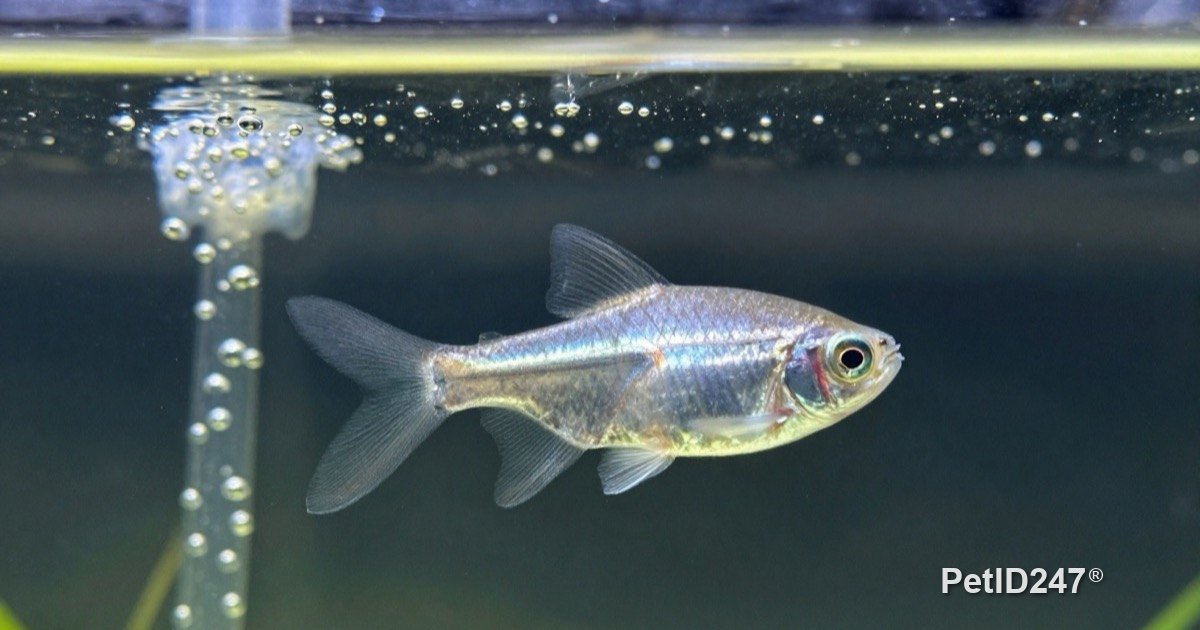
AI-generated illustration
Fish hanging at the surface and gulping air means something is wrong in the tank. Learn the common causes and what to do right away to save your fish.
Your fish are crowding at the top of the tank, mouths gulping, gill covers moving fast. This needs action right away, because fish can die within hours. The two most common causes are low oxygen and water poisoned by waste, but there are a few other possibilities to rule out.
Normal versus abnormal behavior
Coming to the surface is not always a problem. Some species, such as bettas and gouramis, have an extra breathing organ and normally gulp air from time to time. Fish also rise to the top when they are hungry and see you coming.
It is worrying when you see:
- Many fish hanging just below the surface at the same time, especially near the filter outlet or bubbles.
- Gills flared and moving faster than usual.
- Sluggish fish that won't eat, some losing balance or lying on the bottom.
- Behavior that continues, not just for a few seconds.
Cause 1: low oxygen
Water can only hold so much dissolved oxygen, and several things reduce it:
- High temperature: the warmer the water, the less oxygen it holds, while fish need more oxygen in warm water. Hot days and tanks near a sunny window are classic triggers.
- Still water surface: oxygen enters water mainly through the surface. A weak filter, a broken air pump or a power cut leaves the surface flat and oxygen enters slowly.
- Overstocking: too many fish in too little water.
- Plants at night: at night plants stop photosynthesizing but keep respiring. A heavily planted tank with little aeration can run low on oxygen toward dawn.
- After a treatment: some water treatment products can lower oxygen levels. Read the product label carefully.
Cause 2: dirty, toxic water
Fish waste and leftover food break down into ammonia, which bacteria in the filter convert to nitrite and then nitrate. Both ammonia and nitrite are toxic to fish: they damage the gills and interfere with how blood carries oxygen. The result is fish that suffocate even when the water has enough oxygen.
The risk is higher when:
- The tank is new and the bacteria are not yet established.
- Fish are overfed and leftover food rots on the bottom.
- A dead fish has not been removed.
- The filter was just rinsed in tap water or all the media replaced, wiping out beneficial bacteria.
- Water has not been changed for a long time.
What to do right away
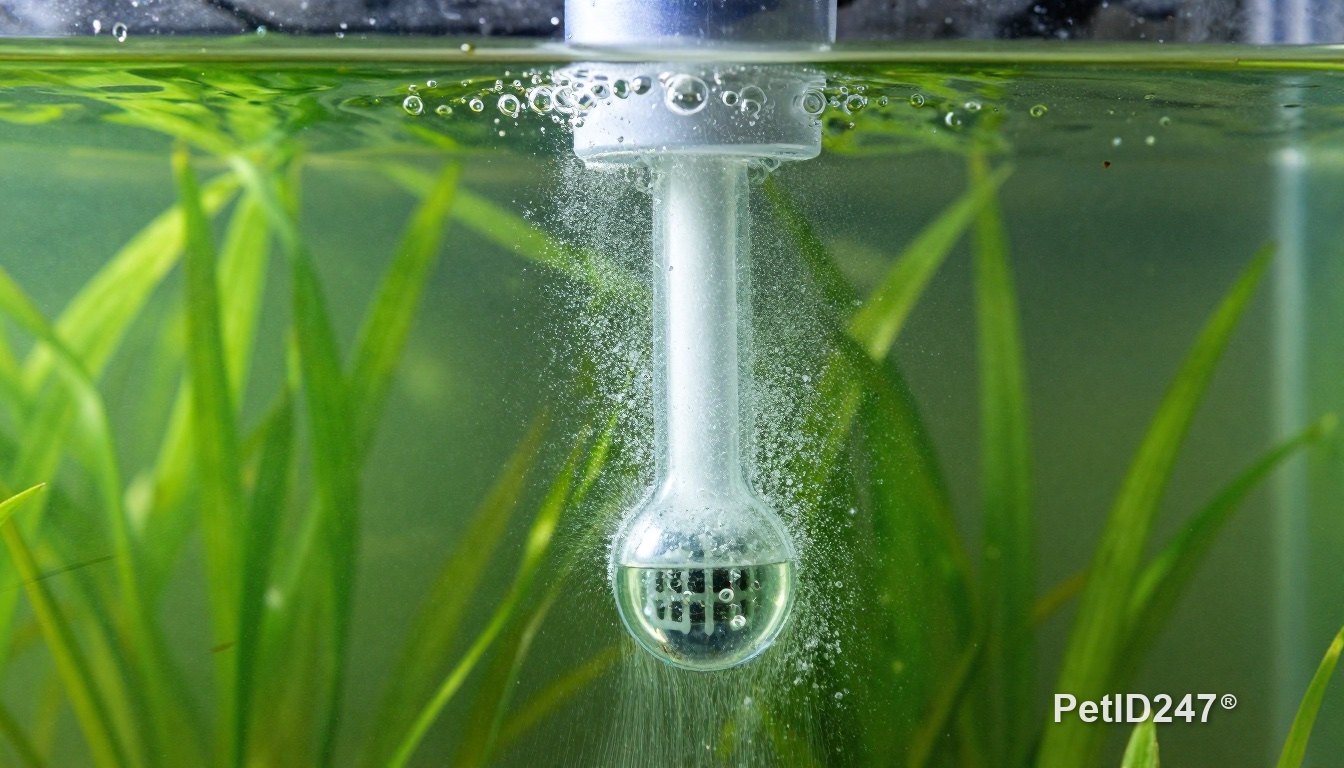
- Add oxygen: switch on or add an air pump, and angle the filter outlet so the surface moves more.
- Check the temperature: if the water is too hot, shade the tank, point a fan across the surface, or move the tank somewhere cooler. Cool it gradually; never drop ice straight into the tank.
- Do a partial water change: change roughly 25–30%, as a guide, with dechlorinated water at the same temperature as the tank. If the water is very bad, do another change a few hours later rather than replacing everything at once.
- Remove dead fish and leftover food, and vacuum some debris from the bottom.
- Skip feeding for a day to cut down on waste.
- Test the water: use a test kit to check ammonia, nitrite and pH. The results tell you the real cause.
If you have just used a treatment and the fish start gasping, increase aeration, do a partial water change and read the product label again.
Other causes to consider
- Gill disease: parasites, bacteria or fungus on the gills make breathing hard even in good water. Fish may also rub themselves, or have red or pale gills.
- Poisoning from outside: insect sprays, smoke, paint or cleaning products getting into the tank.
- Tap water that was not dechlorinated during a water change.
To prevent this, keep to a regular water change routine, feed only what fish eat in a few minutes, don't overstock, clean filter media in old tank water, and always keep a spare air pump for hot days or power cuts.
When to see a vet
Ask a veterinarian experienced with fish, or a fish health professional, when:
- Fish are still gasping a day after you added oxygen and changed water.
- Your water tests are normal but fish are still struggling to breathe, suggesting gill disease.
- The gills look dark red, pale, swollen or covered in mucus.
- Several fish die in a row for no clear reason.
Don't medicate before you know the cause. Any treatment product should be used as directed by your veterinarian and according to the label.
This article was prepared with the help of artificial intelligence tools and reviewed by the PetID247 editorial team before publication. It is for reference only and does not replace an examination by a veterinarian.