Easy Aquarium Plants for Beginners
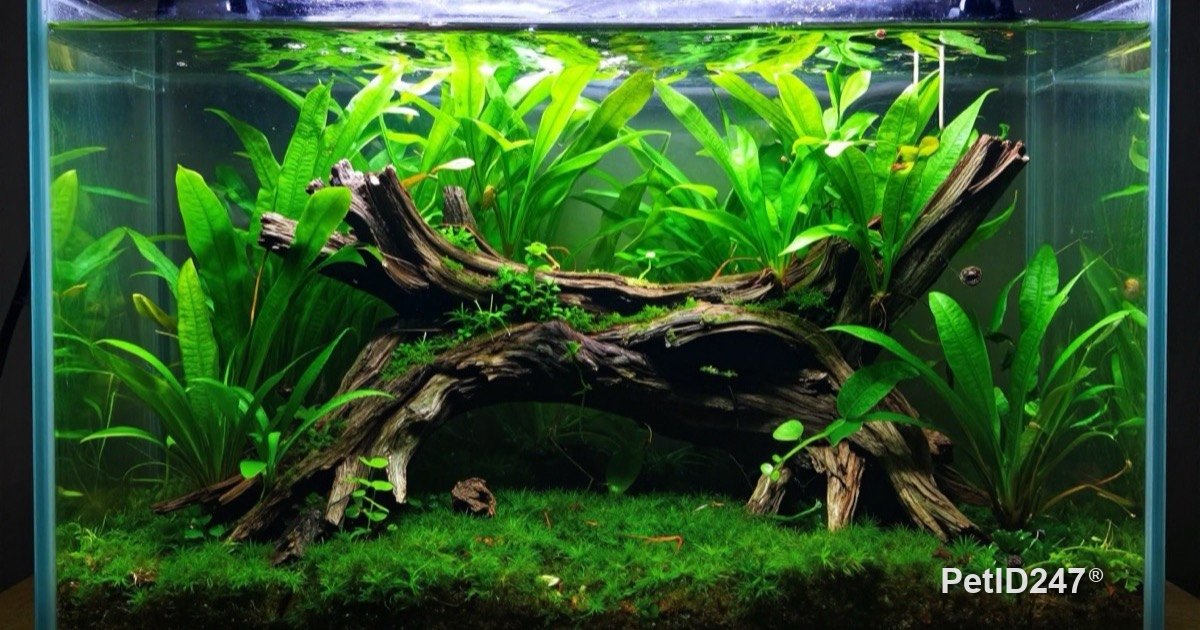
AI-generated illustration
Live plants make a tank prettier and its water more stable. Here are hardy plants that need no CO2 or strong lighting, plus basic planting and care tips.
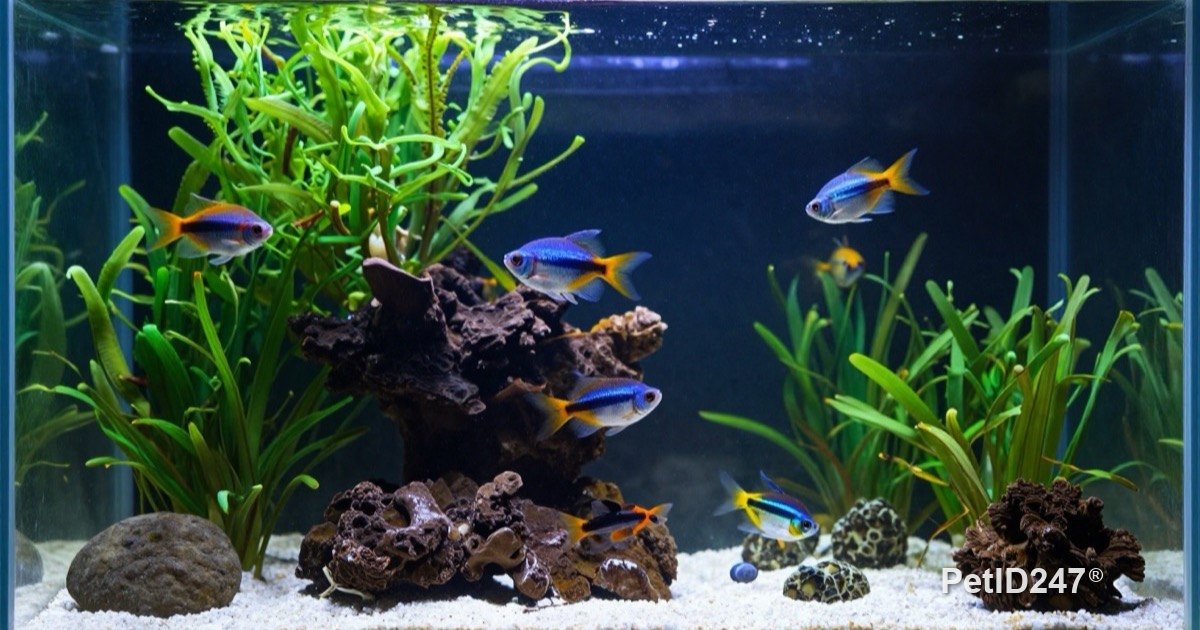
A tank with green plants looks far more alive than one with only gravel and plastic ornaments. Many people avoid live plants because they think they need special lights, gas cylinders and nutrient substrates. In reality, quite a few plants are very hardy and suit an ordinary fish tank and a beginner.
Why live plants are good for your tank
- They absorb waste: plants use nitrate and other nutrients in the water to grow, which helps them compete with nuisance algae.
- They provide shelter: shy fish, fry and shrimp have places to hide and feel less stressed.
- They add oxygen during the day: plants photosynthesize in the light. Note that at night they use oxygen instead, so you still need aeration or a filter that moves the surface.
- They look good: natural greenery makes fish colors stand out more.
Easy plants to grow
Plants you attach to rocks or driftwood
- Java fern: long, dark green leaves; tolerates low light and a wide range of water conditions. Fish rarely eat it.
- Anubias: thick, tough leaves; slow growing but very hardy. A good choice for tanks with fish that pick at plants.
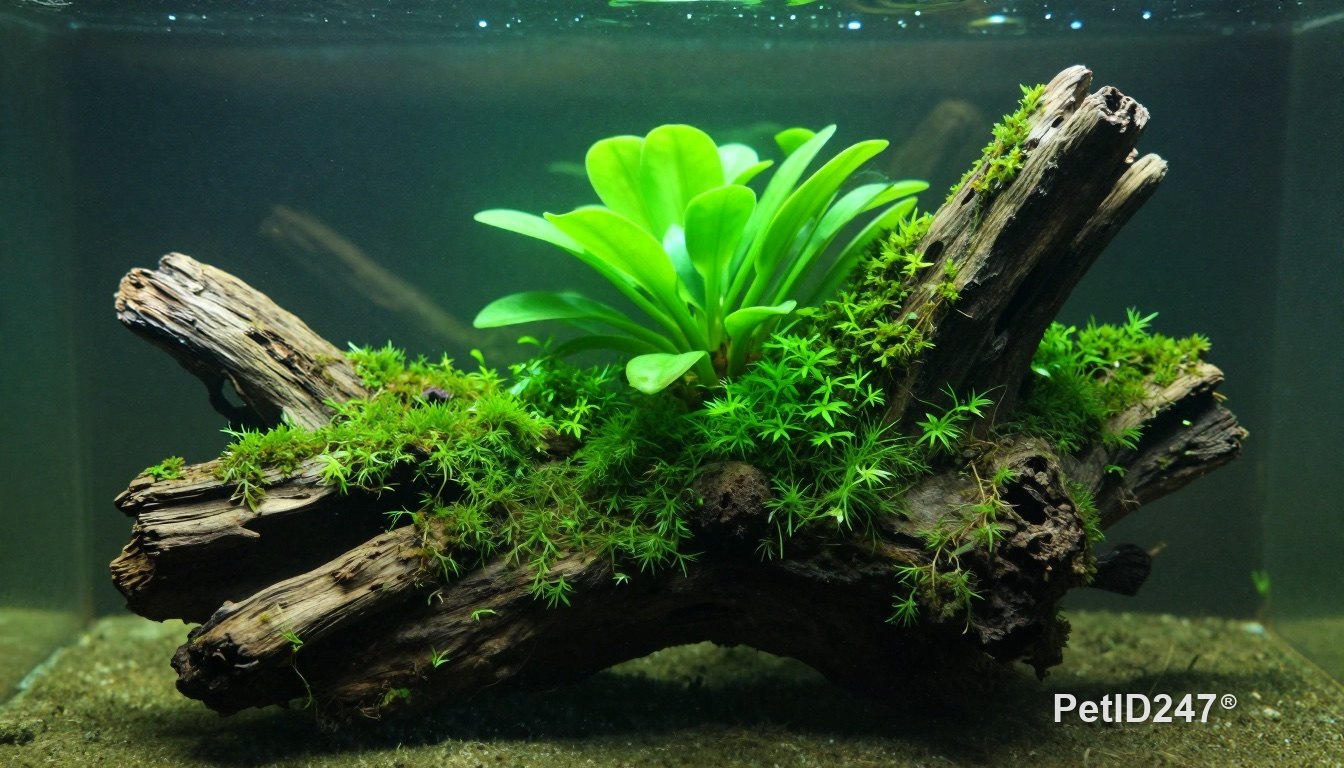
- Java moss: grows in soft clumps that cling to wood and rock. A perfect hiding place for shrimp and fry.
Important: Java fern and anubias have a horizontal rhizome. Don't bury the rhizome in the substrate, as it tends to rot. Tie the plant on with thread or attach it with aquarium-safe glue to a rock or piece of wood; after a few weeks the roots will grip by themselves.
Plants for the substrate
- Cryptocoryne: leaves range from green to reddish brown and tolerate low light. They often drop leaves after planting as they adjust, then grow back.
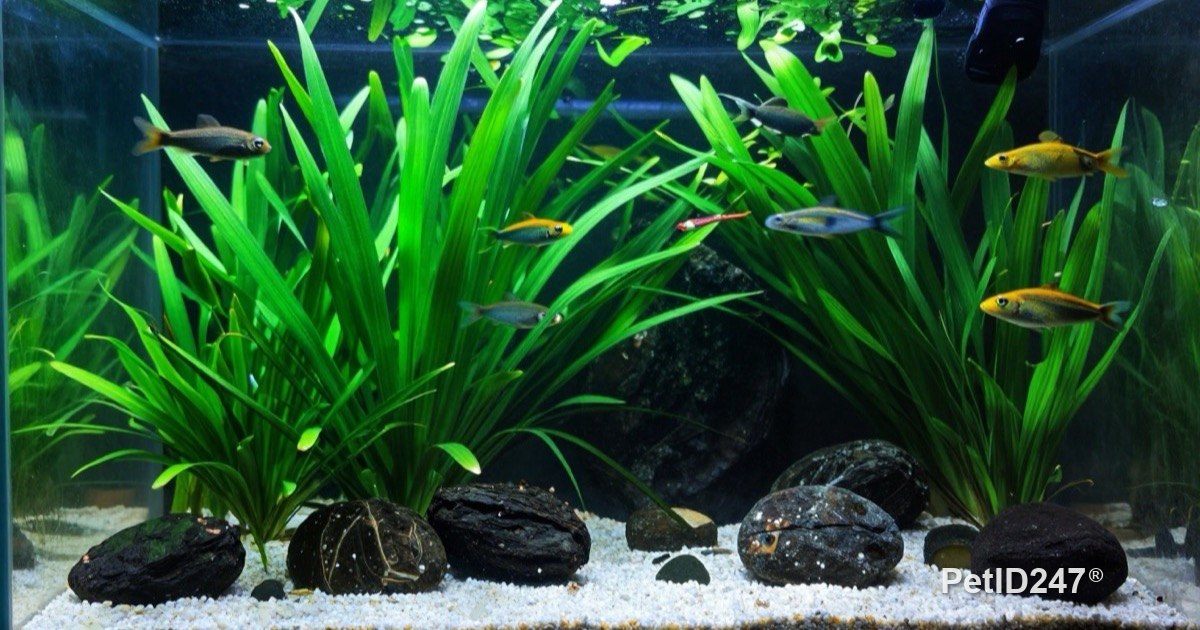
- Vallisneria: long, ribbon-like leaves; fast growing, spreading by runners along the substrate. Great as a background plant.
- Amazon sword: large leaves that make a centerpiece. It is a heavy root feeder, so it needs a reasonably nutrient-rich substrate.
Floating and stem plants
- Hornwort: can float or be planted, grows very fast and absorbs nutrients well.
- Small floating plants: they shade the water and help limit algae. They spread quickly, though, so scoop some out so they don't cover the whole surface.
Planting and basic care
- Clean new plants: rinse gently, remove dying leaves and check for snails or snail eggs. If you can, keep new plants in a separate container for a few days to watch them.
- Lighting: the plants above grow under ordinary aquarium lights. Around 6–8 hours of light a day is a common guideline. Leaving lights on too long encourages algae.
- Substrate: root feeders do better in a nutrient substrate or with root tabs. Plants attached to rocks or wood and floating plants feed mainly from the water.
- Liquid fertilizer: lightly planted tanks with plenty of fish usually don't need extra. If you want to use an aquarium plant fertilizer, read the product label carefully and start small, because excess nutrients feed algae.
- Trimming: cut off old and yellowing leaves. For stem plants, trim the tops and replant them so the plant grows bushier.
Things to watch when choosing plants and fish
- Some fish, such as large goldfish, some cichlids and other plant-eating fish, uproot or eat plants. Anubias and Java fern are safer choices with them.
- Avoid land plants sold as aquarium plants. They slowly rot after a few weeks underwater. If you're unsure, ask for the exact species name.
- Never release aquarium plants, floating plants or tank water into ponds, lakes or canals. Some species can spread and harm the natural environment.
- Check whether plants have been treated with pesticides, which can harm shrimp.
- Newly planted plants often pause for a while, sometimes losing a few yellowing leaves, before putting out new growth. Don't keep pulling them up to replant, because the roots won't have time to establish.
- Start with a few kinds of plants, see which ones do well in your tank, then add more. Planting too many types at once makes it hard to tell which one is struggling.
Summary
You don't need expensive equipment to have a lush green tank. Start with Java fern, anubias, Java moss, Cryptocoryne, Vallisneria or hornwort. Attach rhizome plants to rocks or wood instead of burying them, keep lighting hours moderate, and only add fertilizer when the plants really need it. Once the plants settle in, your tank will be more stable and have less algae.
This article was prepared with the help of artificial intelligence tools and reviewed by the PetID247 editorial team before publication. It is for reference only and does not replace an examination by a veterinarian.