Dog Separation Anxiety: Understanding and Helping
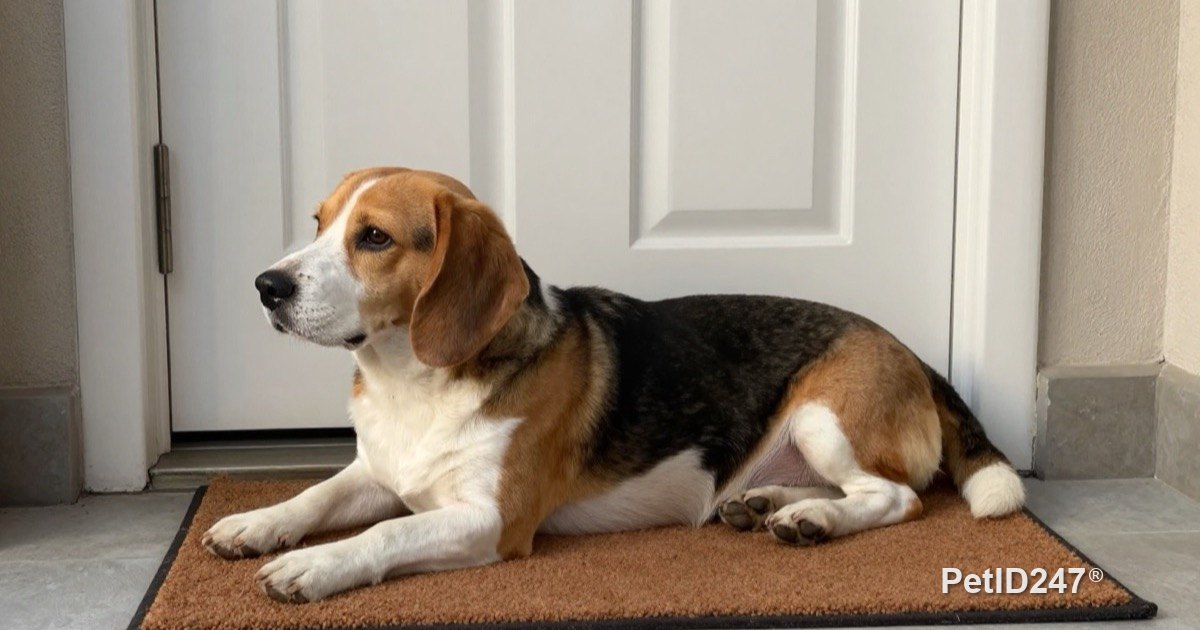
AI-generated illustration
A dog that barks, howls, chews or soils whenever you leave may have separation anxiety. Learn how to recognize it and teach your dog to feel calmer home alone.
You come home from work to scratched doors, a shredded cushion and neighbors complaining that your dog howled all day. Your dog is very likely not being naughty, but anxious about being left alone. This is a fairly common behavior problem, and it can improve if you train patiently and correctly.
What is separation anxiety?
Dogs are social animals and form strong bonds with their people. Some dogs feel genuinely distressed when their family leaves. The key difference is that the behaviors below happen mainly when the dog is alone or just after the owner leaves, not while people are at home.
- Prolonged barking, howling or whining after the owner leaves.
- Scratching or chewing doors, windows or crate bars as if trying to get out.
- Soiling indoors even though the dog is house-trained.
- Constant pacing, panting and drooling.
- Restlessness and following you around when you get ready to go out, such as picking up keys or putting on shoes.
- Over-the-top greetings when the owner returns.
The risk is higher in dogs that have just moved house, been recently adopted, been abandoned before, or when the household routine changes suddenly, for example when an owner goes from working at home to working away all day.
Ruling out other causes
Not every dog that wrecks the house while you're out has separation anxiety. Consider other possibilities:
- Boredom and lack of exercise: young, energetic dogs make their own fun.
- Incomplete house training: the dog also has accidents when people are home.
- Fear of outside noises: traffic, construction, thunder.
- Health problems: urinary or digestive conditions, or cognitive changes in older dogs.
If you can, set up a camera to see what your dog does when it is alone. Real footage helps you and your veterinarian understand the problem better.
Teaching your dog to be home alone
Start with very short absences
- Begin by leaving the room for a few seconds, then come back while your dog is still calm.
- Gradually extend the time: a few minutes, ten minutes, half an hour. Only increase when your dog is relaxed at the previous level.
- If your dog starts barking or scratching at the door, take a step back and shorten the time.
- Practice several times a day, at different times.
Progress varies from dog to dog; some need a few weeks, others a few months. Going slowly is often the faster route.
Make departure cues ordinary
Dogs quickly learn that the jingle of keys, your shoes or your backpack mean you're about to leave. Pick up your keys and then sit down to watch TV; put on your shoes and then go and cook. When these cues no longer always lead to you leaving, your dog becomes less tense.
Keep departures and returns low-key
- Skip long goodbyes and excessive cuddling before you leave.
- When you return, wait for your dog to settle before greeting it warmly.
Making time alone more comfortable
- Exercise before you go: a walk or a suitable play session leaves your dog pleasantly tired and more likely to rest.
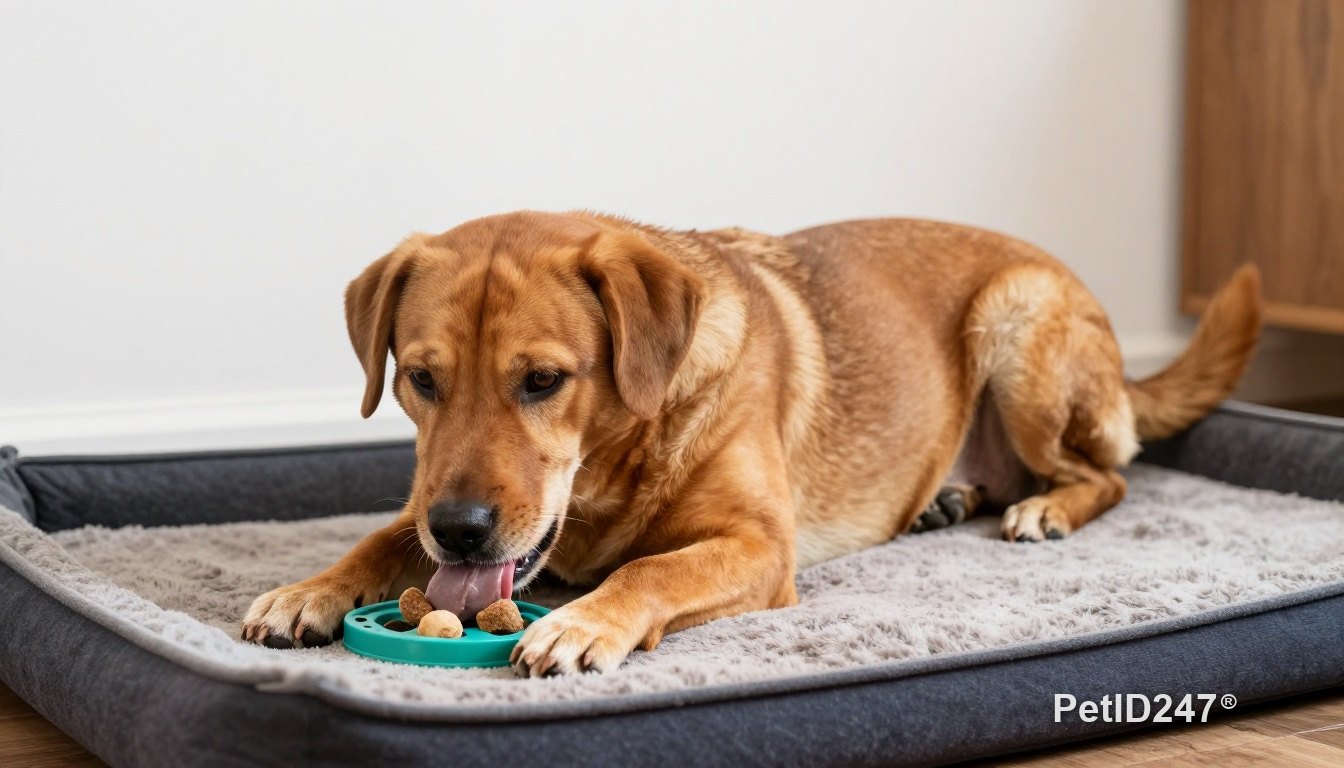
- Food-stuffed toys: give one as you leave so your dog has something to do and links your departure with something good.
- A familiar resting spot: a quiet corner with a bed and an old shirt that smells of you.
- Background sound: a radio or soft music can mask outside noise.
- Get help: if you must be away for long periods, ask a friend or family member to drop by and walk your dog midday.
Don't punish your dog when you come home to damage. It won't understand why it is being punished, and its anxiety while waiting for you will only grow. Getting a second dog doesn't always solve the problem either, because anxious dogs are usually attached to people rather than to other dogs.
When to see a vet
Take your dog to the veterinarian if it injures itself trying to escape, such as broken nails or a bleeding mouth, or if it won't eat or drink when alone. Anxiety that appears suddenly in an older dog, or comes with frequent urination, vomiting or diarrhea, also needs a check-up to rule out illness. In severe cases, your veterinarian may suggest combining behavior training with supportive medication; use medicine only as directed by your veterinarian, and never buy sedatives for your dog on your own.
This article was prepared with the help of artificial intelligence tools and reviewed by the PetID247 editorial team before publication. It is for reference only and does not replace an examination by a veterinarian.