Dog Scratching and Hair Loss: Common Causes
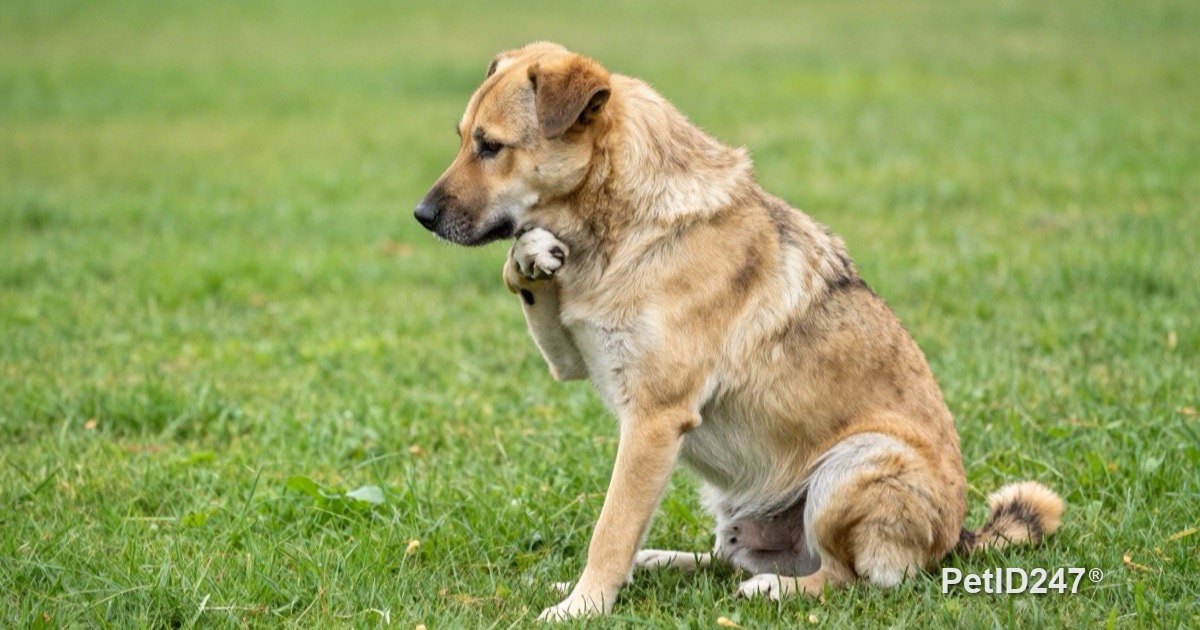
AI-generated illustration
Constant scratching and patchy hair loss mean your dog's skin needs attention. Learn the common causes, what to check at home and when to see a vet.
Every dog scratches a little each day. But when your dog scratches enough to wake up at night, licks its paws nonstop or loses hair in patches, it is time to look for the cause. Long-lasting itch makes dogs miserable and leads to broken skin and further infection. This article covers the common causes and how you can help.
What counts as excessive scratching
There is no standard number. The simplest approach is to compare with your own dog's normal habits. Watch for these signs:
- Scratching, chewing or licking one area many times a day, even while resting.
- Constantly rubbing the face or back on the floor or walls.
- Thinning fur, bald patches or short, broken hairs.
- Red skin, bumps, scabs, dandruff, pustules, or areas of darkened, thickened skin.
- Reddish-brown staining of the fur on the paws or around the mouth from frequent licking.
- An unusual odor from the skin, ears or paws.
It also helps to tell this apart from seasonal shedding, where a dog loses hair evenly all over, the skin stays clean and there is little itching. That usually just needs more frequent brushing.
Common causes
External parasites
Fleas and ticks are top suspects. Some dogs are allergic to flea saliva, so even a few bites cause intense itching, often on the lower back near the tail. There are also several types of mange caused by mites. Some are extremely itchy and spread to other dogs and occasionally to people; others are seen mostly in puppies or dogs with weak immunity. Mange needs to be confirmed by a veterinarian with tests, not guessed by eye.
Allergies
Dogs can be allergic to things in their environment, such as house dust, pollen and mold, or to certain ingredients in their food. Allergies typically cause itching on the face, ears, paws, armpits and belly, and tend to keep coming back. Diagnosing a food allergy requires an elimination diet lasting several weeks, guided by your veterinarian.
Fungal and bacterial infections
Skin broken by scratching, skin that stays damp, and skin folds are places where fungi and bacteria thrive. Ringworm often causes round, scaly patches of hair loss and can spread to people, especially young children. Yeast causes greasy, smelly, darkened skin. Bacterial skin infections often show red bumps, pustules and circular scabs.
Other causes
- Dry skin from bathing too often or using bath products not made for dogs.
- Irritation from floor cleaners, grass or plants.
- Hormonal disorders, which often cause symmetrical hair loss on both sides of the body with little itching. Tests are needed to confirm them.
- Stress or boredom, leading a dog to lick one spot over and over.
What you can do at home
While waiting for a vet visit, or to reduce flare-ups, you can:
- Check for fleas: part the fur on the lower back near the tail and on the belly, looking for fleas or tiny black specks. Put the specks on a damp paper towel; if they spread a reddish-brown color, they are flea dirt.
- Use flea and tick prevention regularly on every pet in the household, with products made for dogs, as directed by your veterinarian and after reading the product label.
- Clean the living area: wash bedding and blankets, and vacuum floors and corners often.
- Keep the skin dry: dry your dog thoroughly after baths or rain, especially between the toes and in skin folds.
- Brush regularly to remove dead hair and spot wounds or unusual lumps early.
- Keep a diary: note whether the itch is worse in certain seasons, after certain foods or after certain places. This information is very useful to your vet.
What not to do
- Don't apply human medicines, menthol oils, alcohol, strong salt water or folk-remedy leaves to your dog's skin.
- Don't give anti-itch drugs, creams or tablets unless your veterinarian has prescribed them.
- Don't shave your dog bald to treat itching before the cause is known.
- Don't keep switching foods, because that makes an allergy even harder to pin down.
When to see a vet
Take your dog to the vet if:
- The scratching lasts more than a few days without improving, or the itch keeps your dog from sleeping or eating.
- There are bald patches, red skin, oozing, pustules, thick scabs or a bad smell.
- Scratching has created open wounds, especially a moist red patch that spreads quickly.
- Several pets in the home are itchy, or people in the household develop an itchy rash.
- Hair loss comes with increased drinking, increased urination, weight gain or tiredness.
- The itching returns several times a year.
Your veterinarian may do skin scrapings, examine hairs under the microscope, run a fungal culture or other tests to find the real cause. Only treating the right cause brings lasting relief.
This article was prepared with the help of artificial intelligence tools and reviewed by the PetID247 editorial team before publication. It is for reference only and does not replace an examination by a veterinarian.