Dementia in Senior Dogs: Early Signs and Home Care
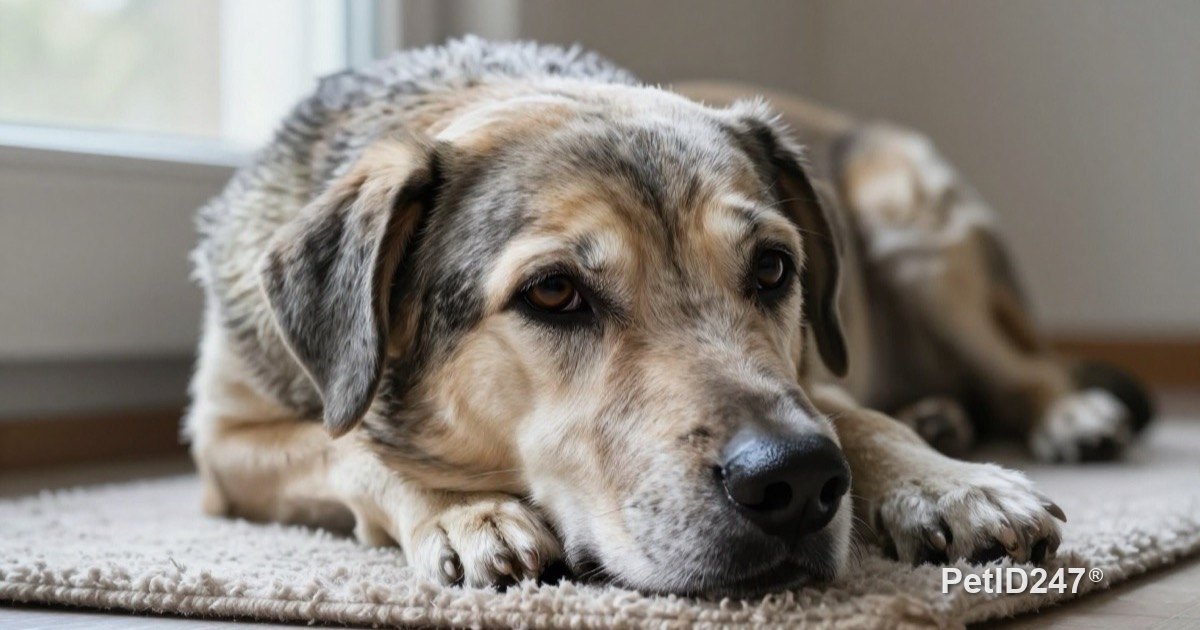
AI-generated illustration
Older dogs can develop cognitive decline, much like dementia in people. Learn the early signs and how to adjust daily life so your dog feels less confused.
A dog that used to be sharp now stands staring into a corner, barks at nothing in the middle of the night or forgets where to go to the toilet. These can be signs of canine cognitive dysfunction, often called “dog dementia”. It can't be cured, but with early detection and the right care, many dogs still enjoy several good years.
What is dog dementia?
As dogs age, changes in the brain can reduce their ability to remember, learn and make sense of their surroundings. The condition is quite similar to dementia in older people. It usually starts quietly and worsens over time, and is most common in dogs from around 8–10 years old and up, depending on breed and size.
Importantly, not every change in an older dog is dementia. Joint pain, failing eyesight or hearing, kidney disease, thyroid disease or a brain tumor can all cause similar behavior. A diagnosis should therefore be made by a veterinarian after other diseases have been ruled out.
Signs to watch for
The signs of dog dementia are often grouped as follows. Keep notes so you can describe them to your veterinarian.
- Disorientation: standing blankly, staring at walls, getting stuck in corners or behind furniture, going to the wrong side of a door.
- Changes in interaction: greeting you less, wanting less petting, or the opposite, becoming very clingy; sometimes not recognizing familiar people.
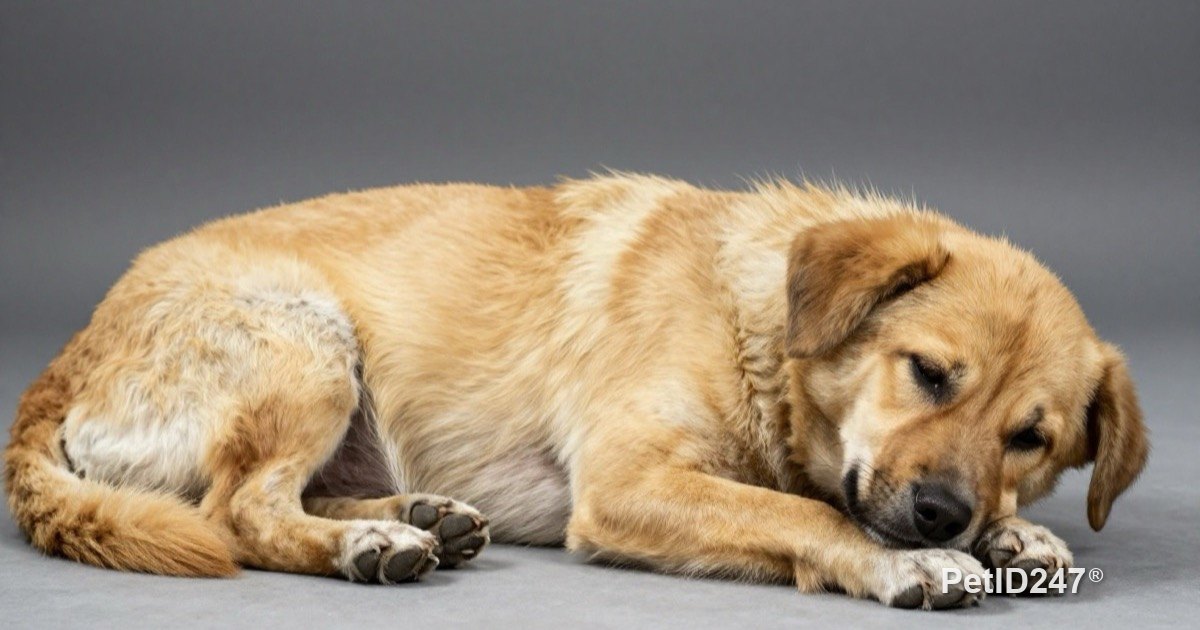
- Sleep problems: sleeping a lot during the day, staying awake at night, pacing, whining or barking at night.
- Loss of house training: urinating or defecating indoors despite being well trained before.
- Changes in activity: aimless wandering, or the opposite, apathy and little interest in play.
- More anxiety: fear of being alone, startling at things that never bothered them.
- Forgetting learned behaviors: no longer responding to their name or familiar cues.
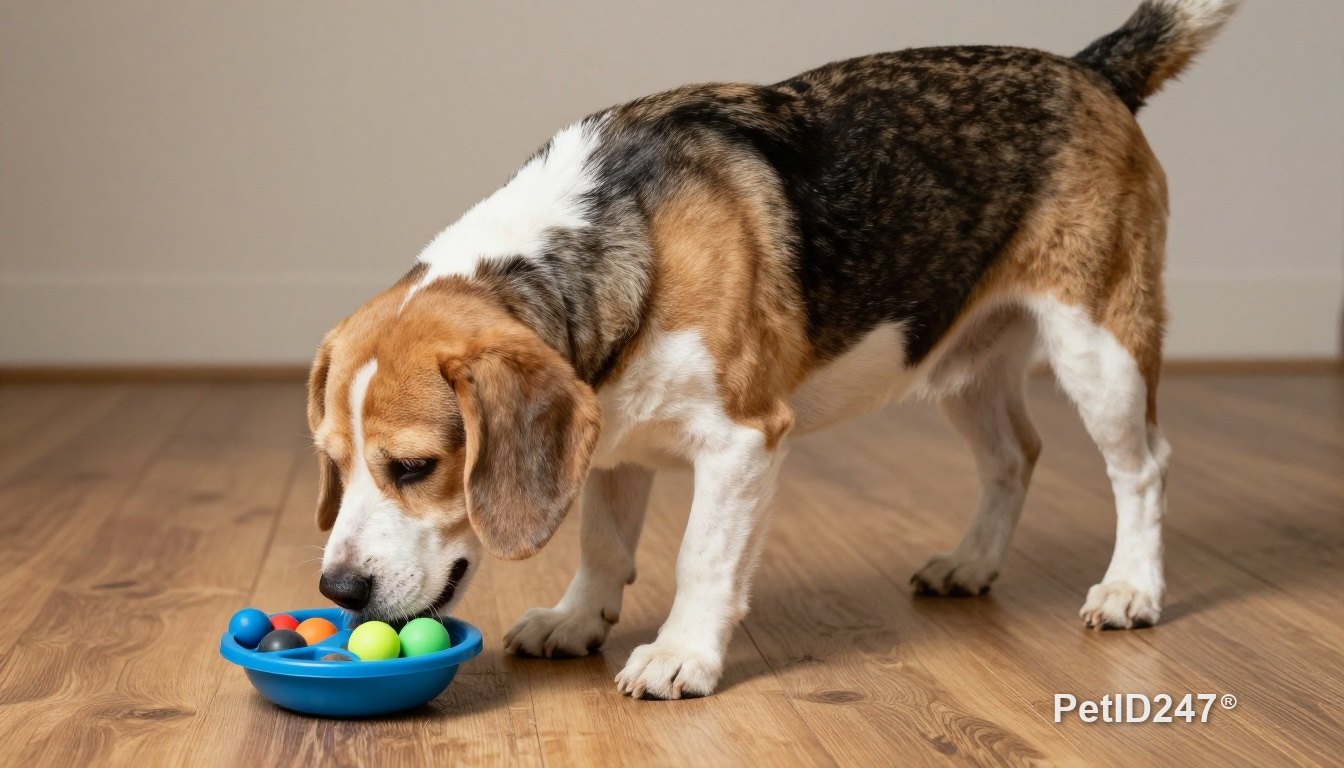
Caring for a dog with dementia at home
Keep a steady routine
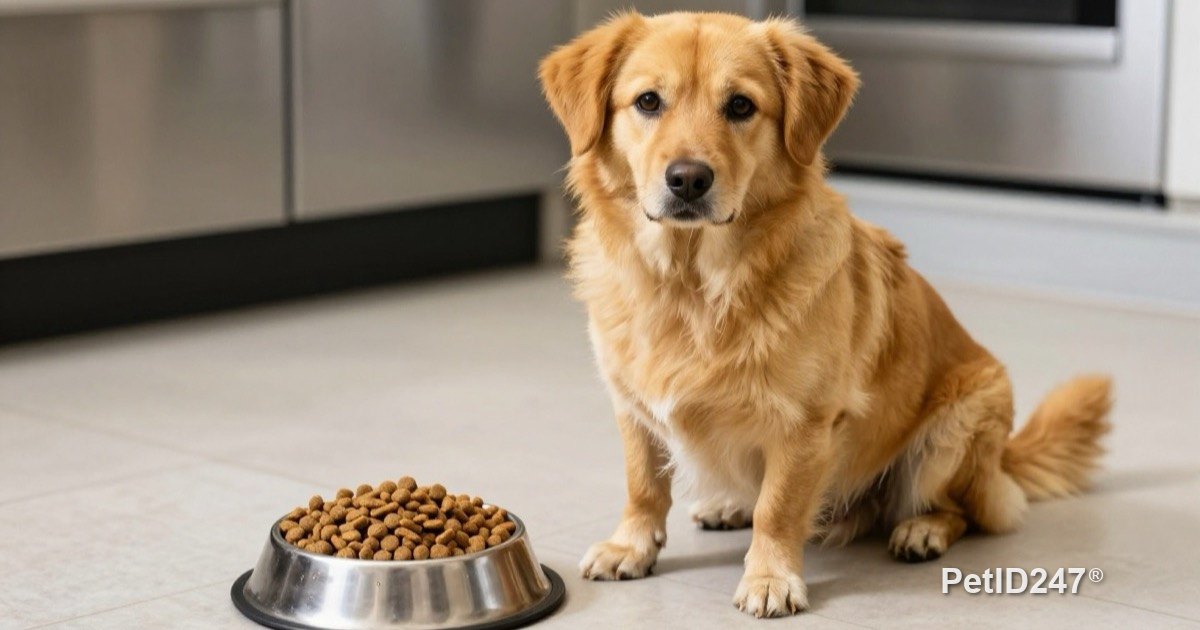
Dogs with dementia get confused easily when things change. Try to feed, walk, take your dog out to the toilet and go to bed at the same times every day. Avoid moving furniture, food bowls and your dog's bed.
Make your home safer
- Put gates at the top of stairs, by ponds or near other hazards.
- Clear clutter from walkways so your dog doesn't get stuck.
- Leave a dim night light on to help your dog find its way at night.
- Lay non-slip rugs if your floors are slippery.
Help with toileting
- Take your dog out more often, especially after waking up and after meals.
- Praise gently when your dog goes in the right place, and don't scold accidents indoors, because your dog isn't doing it on purpose.
- You can put a pee pad near the bed for nighttime.
Gentle mental stimulation
Light mental activity helps keep your dog's mind engaged. Hide a few pieces of food for your dog to find, use simple food-dispensing toys, practice basic cues with small rewards, or take short walks along routes with new smells. Keep sessions short and easy so your dog always succeeds.
Better sleep at night
- Give your dog light exercise and play in the afternoon so they settle more easily in the evening.
- Take your dog out to the toilet just before bedtime.
- Place the bed somewhere quiet and warm, near your bedroom if your dog tends to be anxious.
Diet and medication
There are diets and supplements designed to support brain function in older dogs, as well as medicines that can improve some signs. Whether to use them, and which ones, should be decided by your veterinarian. Never give your dog human sedatives or sleeping pills.
Look after yourself too
Living with a dog with dementia can be exhausting, especially when your dog is up at night or has accidents in the house. Share the care with others in your household and be patient with both your dog and yourself. Keeping a weekly record of changes helps you and your veterinarian judge your dog's quality of life more objectively.
When to see a vet
Take your dog for a checkup as soon as you start noticing the changes above, because early detection makes care more effective. See a vet right away if your dog:
- Changes behavior suddenly over a few days rather than gradually.
- Has seizures, a head tilt, keeps circling to one side, or has flickering eye movements.
- Suddenly seems unable to see and bumps into things.
- Stops eating, drinks and urinates much more than usual, or loses weight quickly.
- Is so anxious or vocal that they can't rest.
These signs may be caused by another illness that needs its own treatment, not simply old age.
This article was prepared with the help of artificial intelligence tools and reviewed by the PetID247 editorial team before publication. It is for reference only and does not replace an examination by a veterinarian.