Choosing an Aquarium Filter: Types and How to Use Them
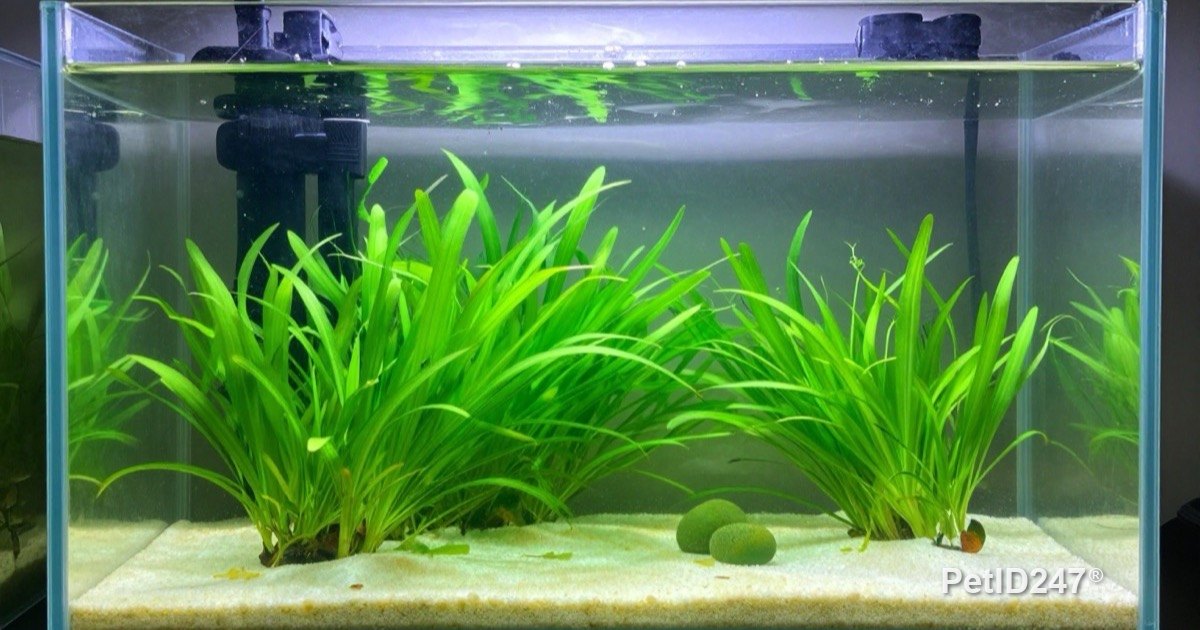
AI-generated illustration
The filter is the heart of your aquarium. Learn the common filter types, their pros and cons, how to size one, and how to clean it without losing good bacteria.
Water that looks crystal clear isn't necessarily clean. What keeps the water safe for fish is the filter and the colony of bacteria living inside it. Choosing the right filter from the start will save you a lot of trouble later.
What a filter does
A good filter usually handles three jobs:
- Mechanical filtration: traps debris, fish waste and leftover food with filter floss or sponge. This is what keeps the water looking clear.
- Biological filtration: porous filter media give beneficial bacteria a place to live. They convert toxic ammonia and nitrite into less toxic nitrate. This is the most important part.
- Chemical filtration: activated carbon or other absorbent media remove odors, discoloration and some dissolved substances. This is optional for many tanks.
The water flow from the filter also stirs the surface, helping oxygen dissolve into the tank.
Common filter types
Sponge filters
A block of foam attached to a tube, driven by an air pump. Cheap, with gentle flow, and it won't suck up fry or small shrimp. Ideal for small tanks, fry tanks, shrimp tanks and quarantine tanks. The downsides are that it takes up space in the tank and its mechanical filtration is limited.
Hang-on-back filters
These hang on the back rim of the tank. Water is drawn up, passes through a media chamber and spills back like a small waterfall. Easy to install and clean, and suited to small and medium tanks. You need clearance behind the tank, and they can be noisy if the water level drops.
Internal filters
A filter box with a pump that sits underwater inside the tank. Compact, inexpensive and easy to use. However, they take up space and their media compartments are usually small, which limits biological filtration.
Canister filters
A canister sits in the cabinet below the tank, connected by two hoses. It holds a lot of media, filters strongly and takes up no space inside the tank, making it good for medium to large tanks and planted tanks. It costs more, is harder to set up, and you need to check the connections to avoid leaks.
Sump filters
Water overflows from the main tank into a second tank holding the filter media, then is pumped back up. Very powerful, suited to large tanks and fish that eat and produce a lot of waste. The tank and cabinet need to be designed for it from the start.
Choosing a filter for your tank and fish
- Tank volume: a common guideline is a filter that turns over roughly 4–6 times the tank volume per hour for a typical community tank. Tanks with heavy waste producers, such as goldfish or large fish, need stronger filtration.
- Fish species: bettas, long-finned fish and fry struggle in strong currents. Choose a filter with adjustable flow, or use a sponge filter. On the other hand, some stream-dwelling species enjoy moving water.
- Shrimp or fry: cover the intake with a sponge so they aren't sucked in.
- Noise and placement: for a tank in a bedroom, choose a quiet filter.
- Ease of cleaning: choose one you can open and rinse easily, or you'll put off doing it.
If you are torn between two sizes, it is usually better to pick the slightly larger one and turn the flow down when needed.
Cleaning your filter the right way
The most common mistake is cleaning the filter too thoroughly. Beneficial bacteria live in the media, and chlorinated tap water can kill them. Do it like this:
- Unplug the filter before opening it.
- Scoop some old tank water into a clean container.
- Gently squeeze the sponge and floss, and swish the biological media in the old tank water to remove some debris. Don't scrub hard and never use soap.
- Reassemble and switch the filter back on straight away. Don't let the media dry out.
- Never replace all the media at once. If something needs replacing, do it in stages, a few weeks apart.
How often to clean depends on the tank; usually it's when you notice the flow has clearly weakened. Don't leave the filter off for long, because the bacteria die without oxygen and can foul the water when you switch it back on.
Summary
A filter does more than clear the water; more importantly, it houses the bacteria that break down toxins. Choose a filter based on tank size, fish species and how you plan to maintain it. Sponge filters suit small tanks and fry, hang-on-back and internal filters suit beginners, and canister and sump filters suit large tanks. When cleaning, always use old tank water, don't clean too thoroughly, and never replace all the media at once.
This article was prepared with the help of artificial intelligence tools and reviewed by the PetID247 editorial team before publication. It is for reference only and does not replace an examination by a veterinarian.