Canine Distemper: Signs, Spread and Prevention

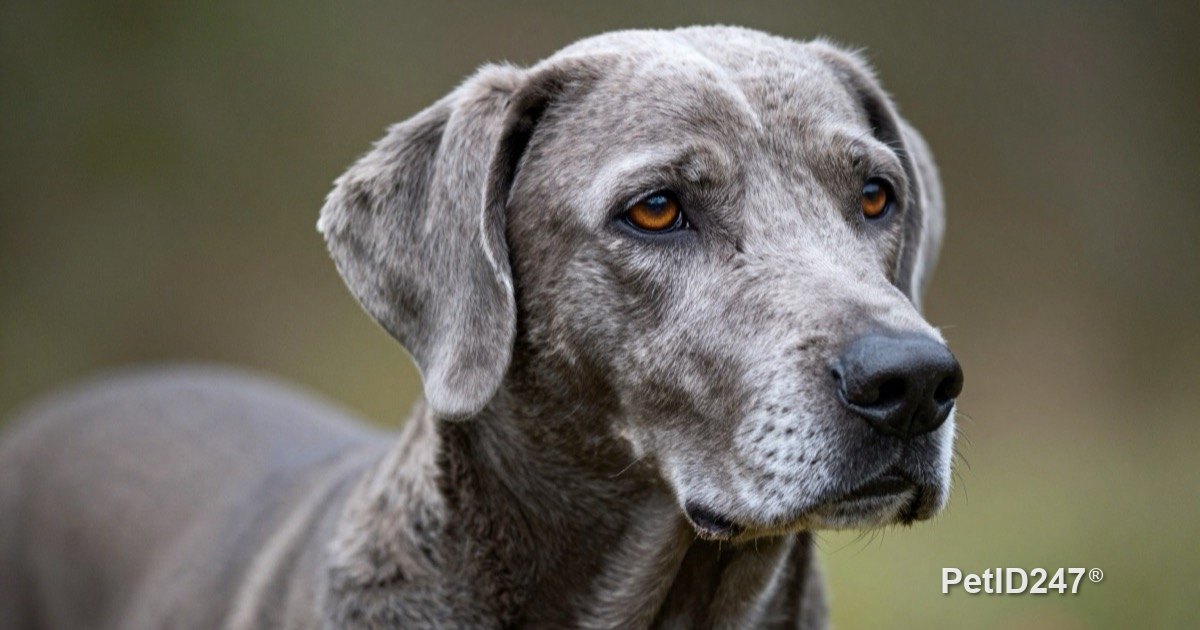
AI-generated illustration
Canine distemper is a highly contagious, dangerous viral disease, especially for unvaccinated puppies. Learn the early signs and how to protect your dog.
Canine distemper is one of the most dangerous infectious diseases in dogs. It can affect the respiratory, digestive and nervous systems at the same time, and there is no specific drug that kills the virus. Understanding how it spreads and spotting the early signs will help you protect your dog.
What distemper is and how it spreads
The disease is caused by canine distemper virus. Dogs of any age can catch it, but puppies that are not fully vaccinated, dogs that have never been vaccinated and dogs with weak immunity are the most likely to get sick and to become seriously ill.
The virus spreads mainly through the air. When an infected dog coughs or sneezes, tiny droplets carrying the virus are released and a healthy dog breathes them in. The virus is also present in nasal discharge, tears, saliva and waste, so sharing food bowls, water bowls or toys is another route of infection.
- An infected dog may shed the virus for several weeks, even after its symptoms improve.
- Some wild animals can also carry the virus.
- The virus does not survive long in the environment and is easily killed by ordinary disinfectants, but places with many dogs, such as shared kennels, dog markets and temporary shelters, allow it to spread quickly.
Common signs by stage
The signs of distemper vary widely and are easily mistaken for a cold or an ordinary stomach upset. Not every dog goes through every stage below, and the order can differ.
Early stage
- Fever, tiredness and poor appetite.
- Watery eyes and runny nose; the discharge is clear at first, then becomes thick and pus-like.
- Coughing, sneezing, and possibly difficulty breathing if the disease reaches the lungs.
Digestive stage
- Vomiting and diarrhea, with rapid dehydration.
- Obvious weight loss within a short time.
Neurological stage
This is the most worrying stage. Neurological signs can appear just as other symptoms are improving, or even several weeks later.
- Repeated twitching of muscle groups, especially in the head, jaw or legs.
- Seizures, drooling, or chewing motions with nothing in the mouth.
- Wobbly walking, weak legs or walking in circles.
Some dogs also develop thickened, cracked footpads and nose. Dogs that recover may be left with lasting effects, such as ongoing muscle twitches, or damaged tooth enamel in dogs that were infected young.

Diagnosis and treatment
Only a veterinarian can diagnose distemper, based on a physical exam, vaccination history and appropriate tests. Don't jump to conclusions just because your dog has a runny nose or diarrhea, since many other illnesses look similar.
There is currently no drug that directly kills the distemper virus. Treatment is mainly supportive, helping the dog's body fight the disease:
- Replacing fluids and electrolytes when the dog is vomiting or has diarrhea.
- Controlling secondary bacterial infections in the airways and gut.
- Controlling seizures if they occur.
- Nutritional support, keeping the dog warm, and keeping the eyes and nose clean.
All medicines must be used as directed by your veterinarian. Don't buy medicine to give your dog or inject it at home, as this can make the illness worse or hide signs and delay diagnosis.
Preventing distemper effectively
Vaccination is the most important protection. The distemper vaccine is one of the core vaccines recommended for nearly every dog. Your veterinarian decides the exact schedule; you can also read our article on puppy vaccination milestones on this blog.
- Complete the initial series of puppy vaccines and keep up with boosters as scheduled, without stopping halfway.
- Limit contact with unfamiliar dogs or dogs with an unknown vaccination history until your puppy is fully vaccinated.
- Keep a newly arrived dog apart from your other dogs for a while and watch its health before letting them play together.
- Clean food bowls, toys and bedding regularly; wash your hands after handling a sick dog.
- Isolate a sick dog from the other dogs in the home and give it its own items.
If your home has recently had a dog with distemper, ask your veterinarian how long to wait and what to do before bringing a new puppy home.
When to see a vet
Take your dog to the vet early if it shows any of the following signs, especially if it is not fully vaccinated:
- Fever, tiredness and loss of appetite together with a runny nose or pus-like eye discharge.
- A persistent cough, fast breathing or difficulty breathing.
- Repeated vomiting or diarrhea, or signs of dehydration such as lethargy and dry gums.
- Muscle twitching, seizures, wobbly walking or unusual drooling.
When you call the clinic, mention that your dog may have an infectious disease so the staff can arrange a separate area and avoid spreading it to other dogs. Distemper is unpredictable, and the earlier your dog is seen, the better the chance of helping it pull through.
This article was prepared with the help of artificial intelligence tools and reviewed by the PetID247 editorial team before publication. It is for reference only and does not replace an examination by a veterinarian.