Budgie Care for Beginners: Getting Started
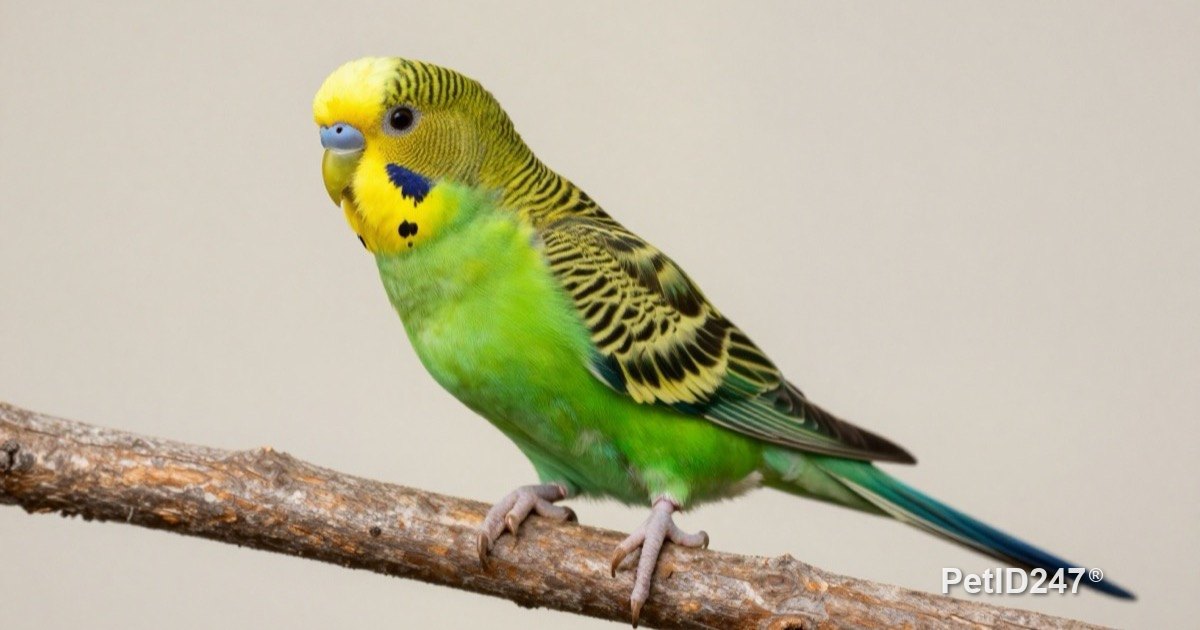
AI-generated illustration
Budgies are small, cheerful and easy to keep if you prepare properly. Learn how to choose a cage, what to feed, single or pair, and daily care habits.
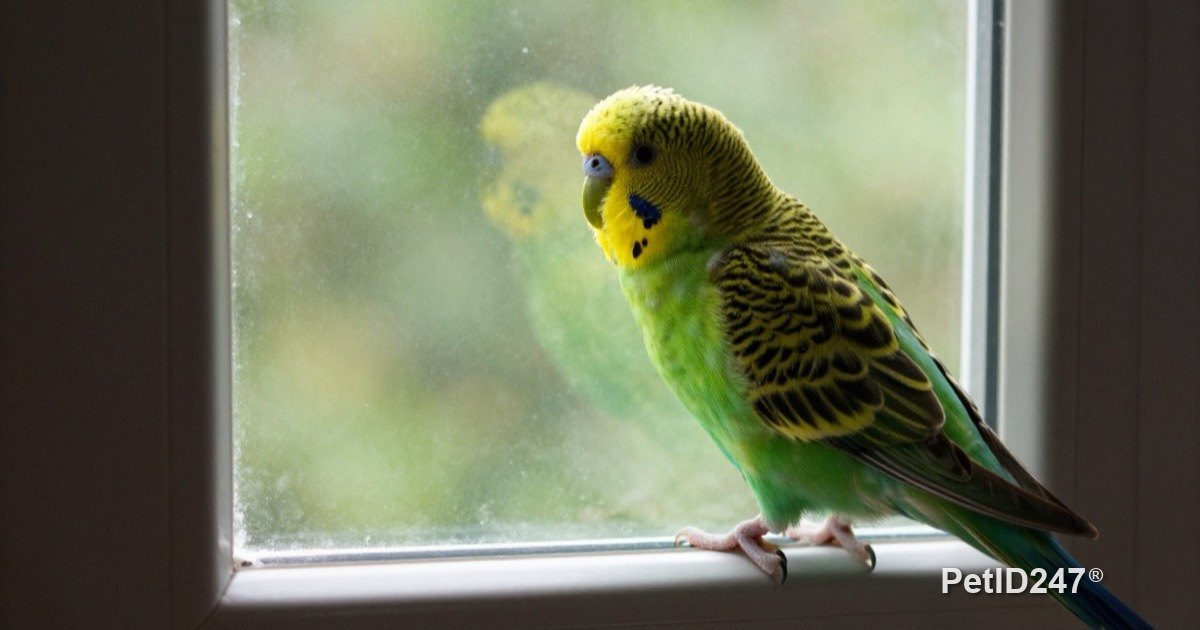
The budgerigar, or budgie, is one of the most popular pet birds for beginners. Budgies are small, colorful, love to chatter and can become very friendly with their owners. Still, "easy to keep" doesn't mean all you need is a cage and a handful of seed. This guide helps you start the right way.
What to know before you buy
- Lifespan: a well-cared-for budgie can live for many years. Make sure you are ready for a long commitment.
- Social nature: in the wild, budgies live in large flocks. A single budgie needs its owner to spend a lot of time talking and playing with it every day. If you are often away, a pair will help keep them from getting lonely.
- Noise: budgies aren't as loud as large parrots, but they chirp all day, especially early morning and late afternoon.
- Feather dust: birds shed feather dust and seed husks. People with asthma or allergies should think carefully.
- Where to buy: choose a breeder or shop with a clear, legal source and healthy birds: bright eyes, smooth feathers and a clean vent.
Choosing a cage and setting it up
Cage
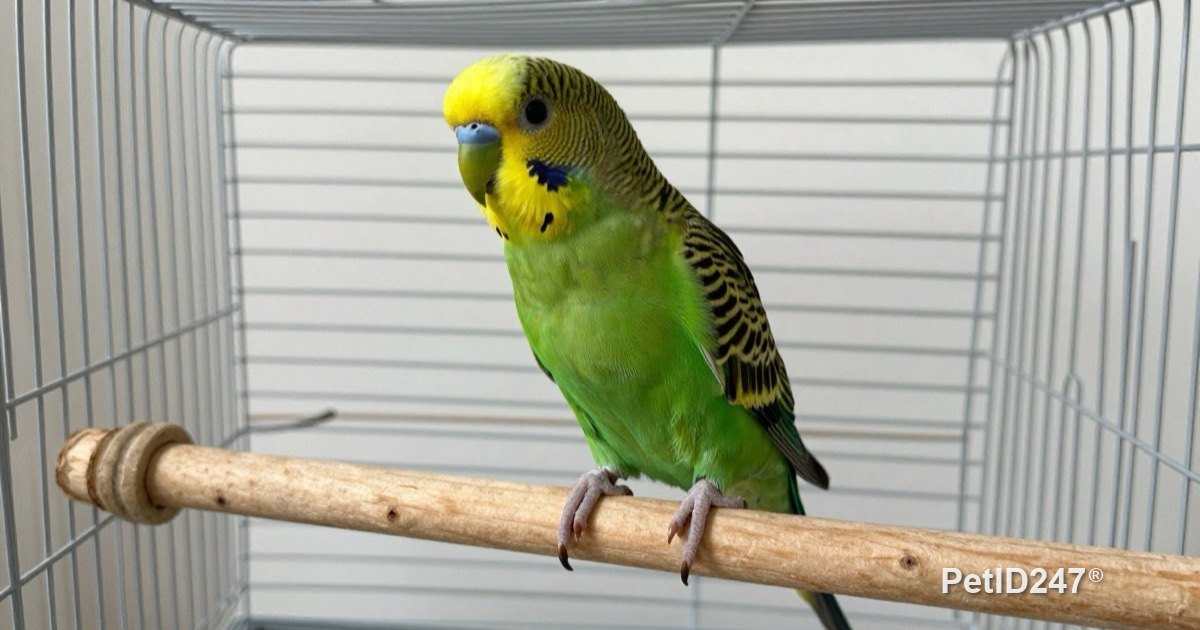
Budgies fly horizontally more than vertically, so cage width matters more than height. The bigger the cage, the better: enough for the bird to flap and make short flights between perches. Bar spacing must be narrow so the bird can't push its head through and get stuck. Cages with some horizontal bars let budgies climb.
Perches and toys
- Use safe natural-branch perches in several thicknesses so the feet get exercise.
- Don't place perches directly above food and water bowls, to keep droppings out.
- Simple toys such as small bells, ladders and safe wood or paper chew toys. Rotate toys regularly so the bird doesn't get bored, but don't overcrowd the cage.
Where to put the cage
Place the cage where people pass by so the bird has company, but away from drafts and all-day harsh sun, and never in the kitchen. Fumes from overheated non-stick pans can poison birds very quickly. Keep the cage away from cigarette smoke, aerosol sprays and diffused essential oils.
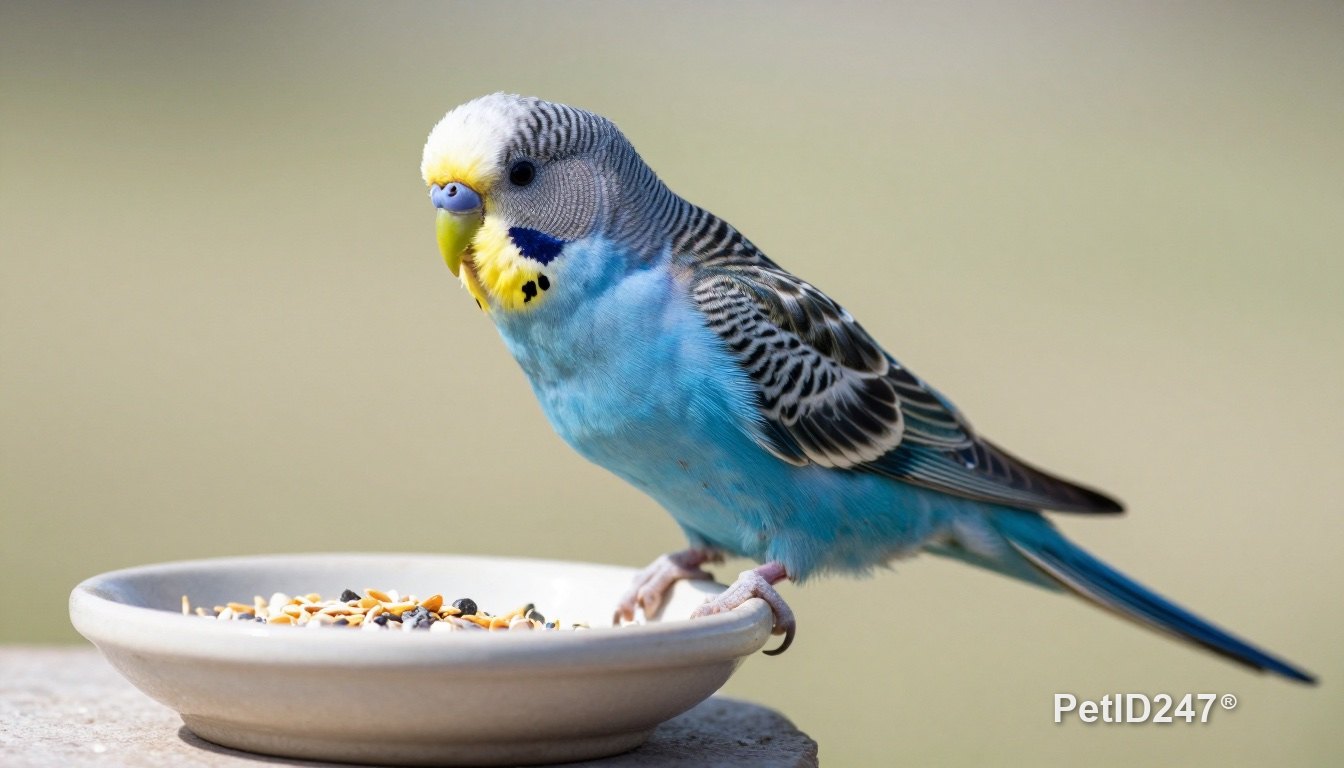
What to feed a budgie
Many people feed budgies only millet or seed. An all-seed diet easily leaves the bird short of vitamins and minerals and prone to obesity. A balanced diet includes:
- A budgie seed mix and pellets made for small birds: as the base. If your bird is used to seed only, switch gradually over several weeks rather than suddenly.
- Fresh greens: leafy greens, dark green leaf lettuce, broccoli and grated carrot. Wash and drain well.
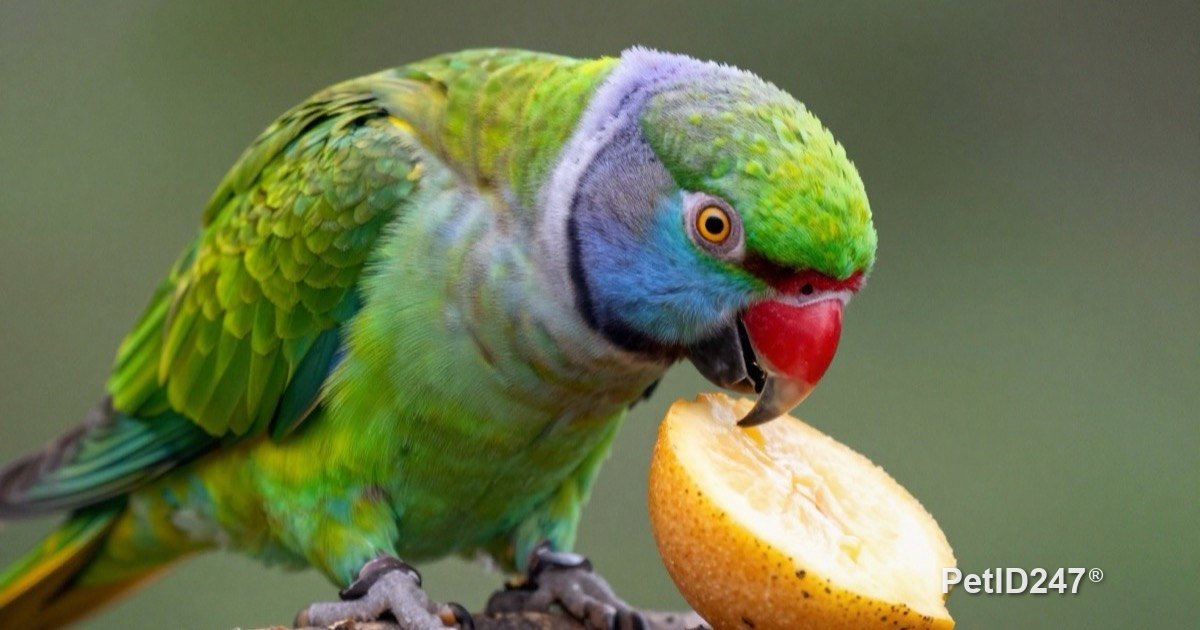
- Fruit: small amounts, such as apple with seeds removed or pear.
- Minerals: a cuttlebone or a mineral block for birds to peck at.
- Clean water: changed daily.
Never give budgies avocado, chocolate, salty food, alcohol, coffee, onion or garlic. Each morning, gently blow the husks off the top of the seed dish, because a bowl that looks full may contain only empty husks.
Taming and daily care
- The first few days: let the bird settle quietly into its new home. Sit near the cage and talk softly.
- Step-up training: once the bird is less fearful, slowly offer a finger level with its belly. Be patient, with short sessions of a few minutes.
- Flying in the room: only when windows are closed, ceiling fans are off, mirrors are covered, toxic items are put away and no dogs or cats are around.
- Enough sleep: as a guide, budgies need around 10–12 hours of sleep each night in a quiet room. You can cover part of the cage with a breathable cloth.
- Hygiene: change the cage-floor paper often and wash food and water dishes daily.
You can often tell males from females by the color of the cere (the area above the beak) in adult birds, but for some color varieties and young birds this is not reliable.
Summary
Budgies make a good choice for beginners if you provide a cage that is wide rather than tall, natural perches, a varied diet rather than seed alone, and daily interaction. Keep the cage away from the kitchen and fumes, keep things clean and watch eating habits every day. If your budgie fluffs up, sleeps a lot, bobs its tail while breathing or has changed droppings, see an avian veterinarian early.
This article was prepared with the help of artificial intelligence tools and reviewed by the PetID247 editorial team before publication. It is for reference only and does not replace an examination by a veterinarian.