Aquarium Algae: Causes and How to Control It
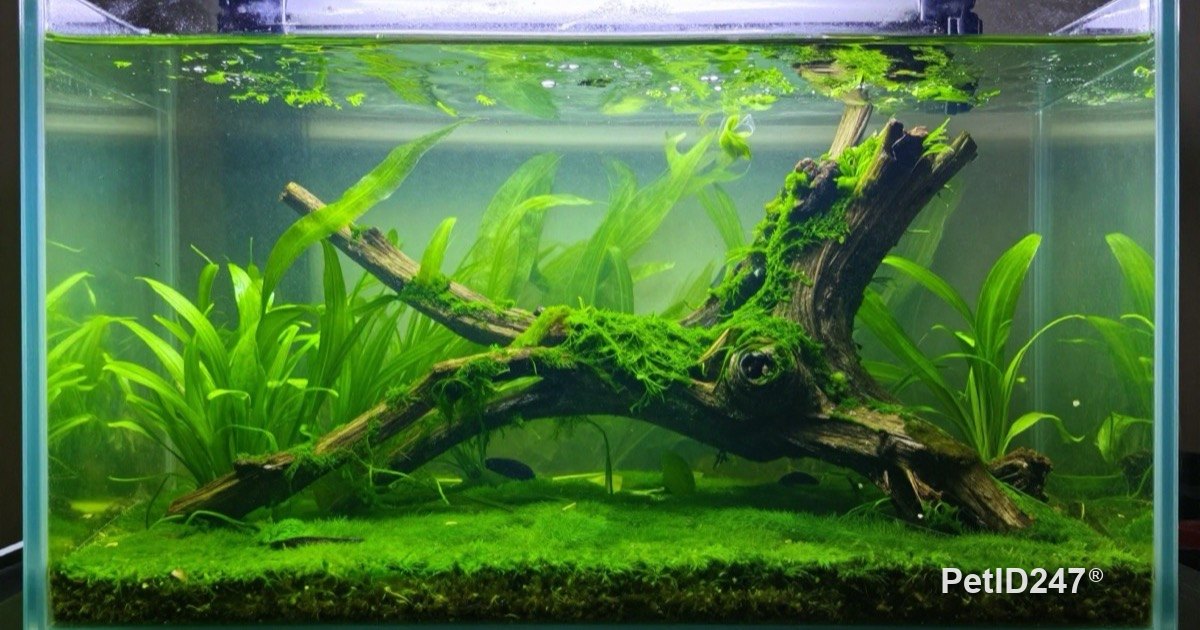
AI-generated illustration
Green water, slimy glass and black fuzz on leaves all point to nuisance algae. Learn why algae blooms happen and how to rebalance your tank without overusing chemicals.
Almost every aquarium has some algae. A thin film on rocks and driftwood is normal and harmless to fish. Problems start when algae covers the glass, turns the water green or clings to plant leaves. The good news is that nuisance algae is usually a sign that the tank is out of balance, and once you fix the root cause it fades away.
Why algae blooms happen
Algae needs three things to grow: light, nutrients in the water and time. When any of these is more than plants and the filter can use, algae gains the upper hand. Common causes include:
- Lights left on too long, or a tank near a window in direct sunlight.
- Overfeeding: leftover food breaks down and adds nutrients to the water.
- Overstocking relative to the tank volume and filter capacity.
- Infrequent water changes: nitrate and phosphate gradually build up.
- A new tank: bacteria and plants haven't settled yet, and brown algae often appears in the first few weeks.
- Few plants or poorly growing plants: nothing competes with algae for nutrients.
- Too much plant fertilizer when lighting and plants can't keep up.
Common types of algae
- Brown algae: a brown film that wipes off easily, common in new or dim tanks. It usually fades as the tank matures.
- Green spot algae: hard green dots on the glass and slow-growing leaves. You'll need a scraper.
- Hair and thread algae: long green strands that wrap around plants, usually caused by excess light and nutrients.
- Green water: free-floating single-celled algae that turn the water pea green. Mechanical filtration usually can't catch them.
- Black beard algae: short, dark gray tufts on leaf edges, driftwood and filter pipes. Quite stubborn.
- Blue-green slime: actually cyanobacteria, forming smelly slimy mats that spread quickly over substrate and plants. Common in areas of still water with poor flow.
Fixing the root cause
- Shorten the lighting period: around 6–8 hours a day is a common guideline. Use a timer so the lights go on and off consistently. Shade the tank if it is near a window.
- Feed only what's needed: give only what the fish eat in a few minutes and remove leftovers.
- Change water regularly: do a partial water change every week and vacuum the substrate to reduce built-up nutrients.
- Remove algae by hand: scrape the glass, pull out strands, and trim heavily covered leaves. This cuts algae down quickly while you fix the cause.
- Add fast-growing plants: hornwort, small floating plants or fast stem plants absorb nutrients and add shade.
- Improve water flow: avoid dead spots, especially when blue-green slime appears.
- Be patient: a tank needs a few weeks to rebalance. Don't change too many things at once.
A useful tip is to write down what you change and when, such as lighting hours, the amount of food and your water change routine. After a few weeks, looking back at your notes will show clearly which change reduced the algae, instead of guessing. If you have a test kit, check nitrate regularly too, so you know whether nutrients are building up in the tank.
What about snails, shrimp and algae-eating fish?
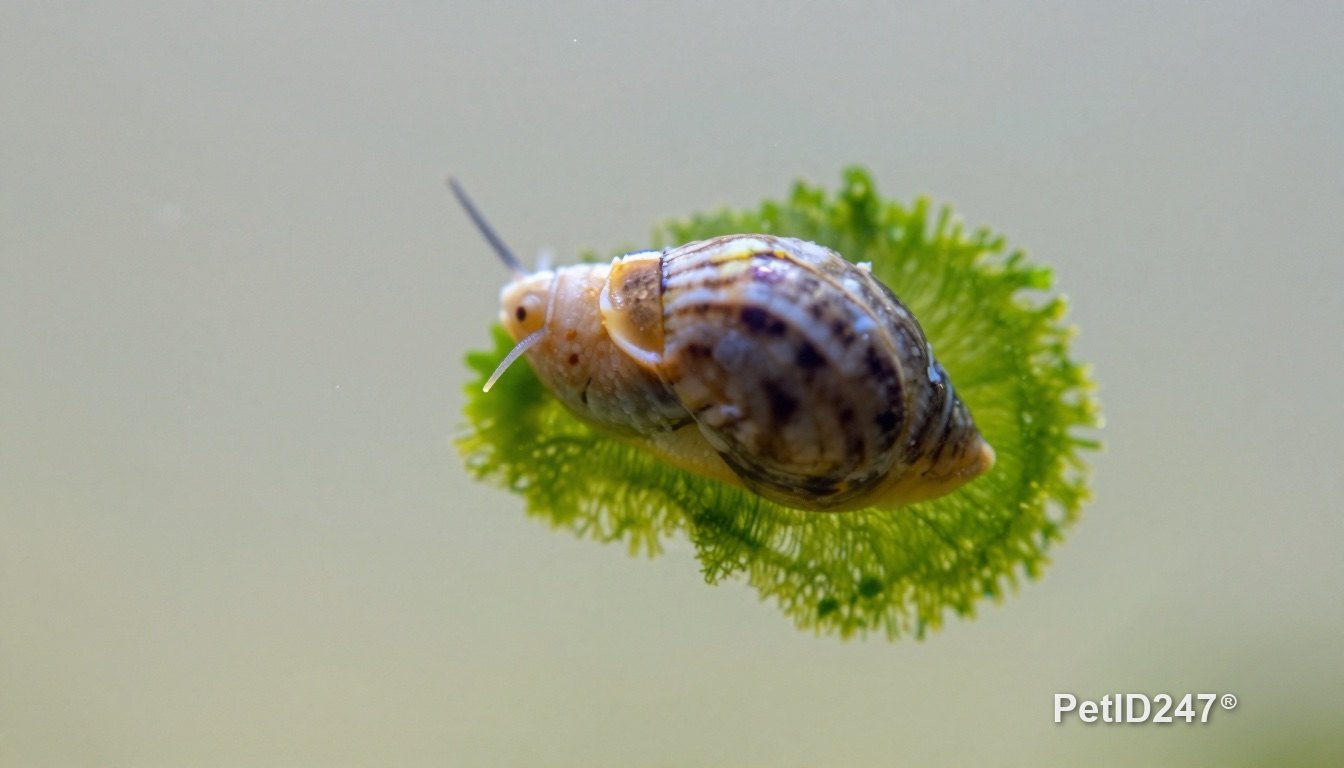
Some snails, ornamental shrimp and algae-eating fish can help control soft algae. But they only help; they don't solve the cause. Each species also has its own needs for tank size, water conditions and food. Research carefully before buying, and don't add more animals just to clean up algae when the tank is already overloaded.
Be careful with algae-killing chemicals
Many algae treatment products are available. They can kill algae quickly, but if the cause is still there, the algae comes back. Large amounts of algae dying at once also decompose, lowering oxygen and fouling the water. Some products harm shrimp, snails, sensitive fish and live plants.
- Only consider them once you have fixed lighting, feeding and water changes and the algae still won't go away.
- Read the product label carefully, especially the warnings about sensitive species.
- Increase aeration while using the product.
- If your tank has valuable or sensitive animals, ask an expert first.
For widespread blue-green slime, besides vacuuming it out and improving water flow, ask a veterinarian or fish health professional before using any product.
Summary
Nuisance algae is a reminder that your tank has too much light or too many nutrients. Cut back lighting hours, avoid direct sunlight, feed only what's needed, change water regularly and add fast-growing plants. Remove algae by hand while the tank rebalances. Algae-killing chemicals are a last resort; follow the label and take care with sensitive species.
This article was prepared with the help of artificial intelligence tools and reviewed by the PetID247 editorial team before publication. It is for reference only and does not replace an examination by a veterinarian.