Adding New Fish to Your Tank: How to Acclimate Safely
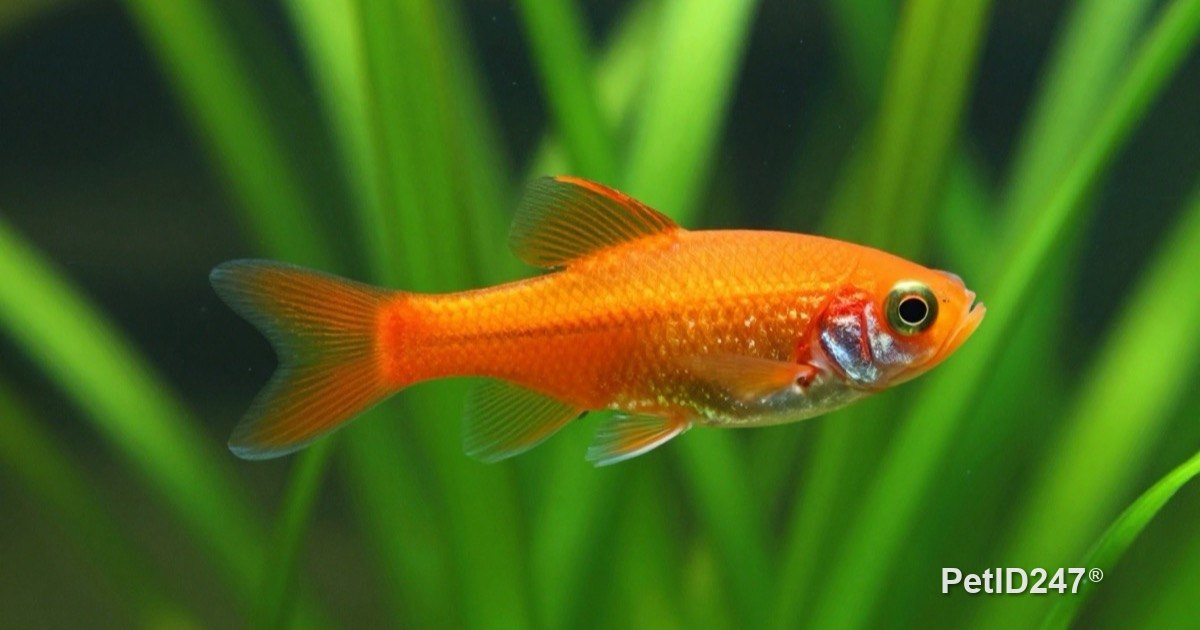
AI-generated illustration
Pouring new fish straight into a tank can shock them. Learn how to acclimate fish to temperature and water chemistry step by step, and how to quarantine newcomers.
Many people bring new fish home, open the bag and tip both fish and water straight into the tank. A few days later the new fish are sluggish, refuse food, and sometimes the whole tank gets sick. Most of this trouble can be avoided if you spend an extra half hour or so acclimating your fish properly.
Why fish need time to adjust
The water in a shop bag and the water in your tank are almost never the same. They can differ in temperature, pH, hardness and the amount of dissolved waste. Fish are cold-blooded, and their bodies change with the water around them. When they are moved suddenly into a different environment, they can go into shock: rapid breathing, loss of balance and weaker immunity, which makes them more likely to fall ill in the days that follow.
On top of that, the fish have already spent time in a sealed bag. Their waste builds up in the bag and the water gradually loses oxygen. So acclimation needs to be slow enough for the fish to adapt, but not so long that the bag water gets even worse.
Getting ready before you bring fish home
- A tank that is already stable: a new tank needs to run with its filter for a while so beneficial bacteria can establish before fish go in. If you are not sure about this, read up on the nitrogen cycle first (see our article on setting up your first aquarium).
- Know the species you are buying: ask for the exact species, its adult size, the temperature and water conditions it needs, and whether it can live with the fish you already have.
- Prepare your equipment: a clean bucket or tub used only for the aquarium, a net, a length of airline tubing (if you want to drip acclimate) and a clip to hold the bag in place.
- Get the fish home quickly: don't leave the bag in the sun or sitting in a hot car.
Steps to acclimate your fish
The floating bag method
This simple method suits most common freshwater fish.
- Turn off or dim the tank lights so the fish are less stressed.
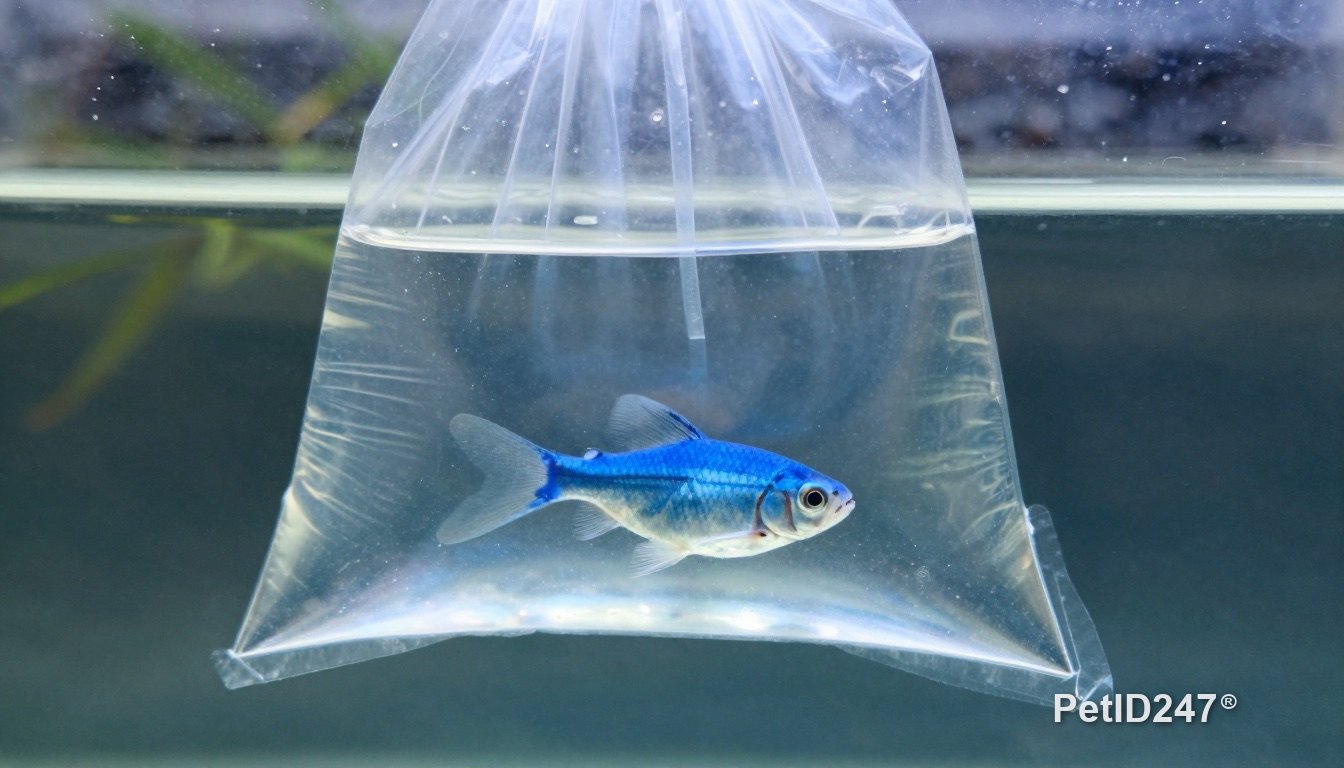
- Float the sealed bag on the tank surface for roughly 15–20 minutes, as a guide, so the temperature inside the bag moves toward the tank temperature.
- Open the bag and roll down the edges so it floats steadily. Add a small amount of tank water to the bag, a little at a time, a few minutes apart. Repeat several times so the fish adjust gradually to the new water.
- Use a net to lift the fish out of the bag and release them into the tank.
- Throw away the bag water. Don't pour it into the tank.
Drip acclimation for sensitive species
For sensitive fish, ornamental shrimp, or when your water is very different from the shop's, drip acclimation is safer. Pour the fish and their bag water into a clean container placed lower than the tank. Use airline tubing to let tank water drip slowly into the container; you can tie a loose knot in the tube or use a valve to control the flow. Once the water in the container has increased several times over, net the fish into the tank. Keep an eye on the temperature in the container so it doesn't cool down too much.
Common mistakes
- Pouring bag water into the tank: it can carry disease, parasites or pest snails from the shop.
- Acclimating for too long: leaving fish in an open bag for an hour or more lets the water deteriorate and tires them out.
- Adding too many fish at once: the bacteria in your tank can't keep up with a sudden jump in waste. Add fish in small groups, a few weeks apart.
- Feeding straight away: new fish often won't eat yet. Wait until the next day, then offer a small amount.
- Adding preventive chemicals without reason: don't medicate a tank when the fish show no signs of illness. If you need a water treatment product, read the product label carefully.
Quarantine: the step many people skip
Fish that look healthy in the shop can still carry disease that hasn't shown yet. If you can, keep new fish in a small quarantine tank with its own filter and heater for a few weeks before moving them to your main tank. During this time, watch closely for:
- Whether the fish eat normally and swim actively.
- White spots, cloudy patches or torn fins on the body and fins.
- Fish rubbing against rocks or gravel, or breathing rapidly.
Use a separate net and bucket for the quarantine tank to avoid cross-contamination. Quarantine takes a little more effort, but it protects all the fish you already have.
Summary
Acclimating fish is a small job that makes a big difference to their health in the first few weeks. Balance the temperature first, then gradually mix tank water into the bag, or drip acclimate sensitive species. Move the fish with a net, discard the bag water, keep the lights low and hold off on feeding. If possible, quarantine new fish for a few weeks. If new fish show signs of illness or die unexpectedly, ask a veterinarian or an experienced aquarium professional before using any medication.
This article was prepared with the help of artificial intelligence tools and reviewed by the PetID247 editorial team before publication. It is for reference only and does not replace an examination by a veterinarian.