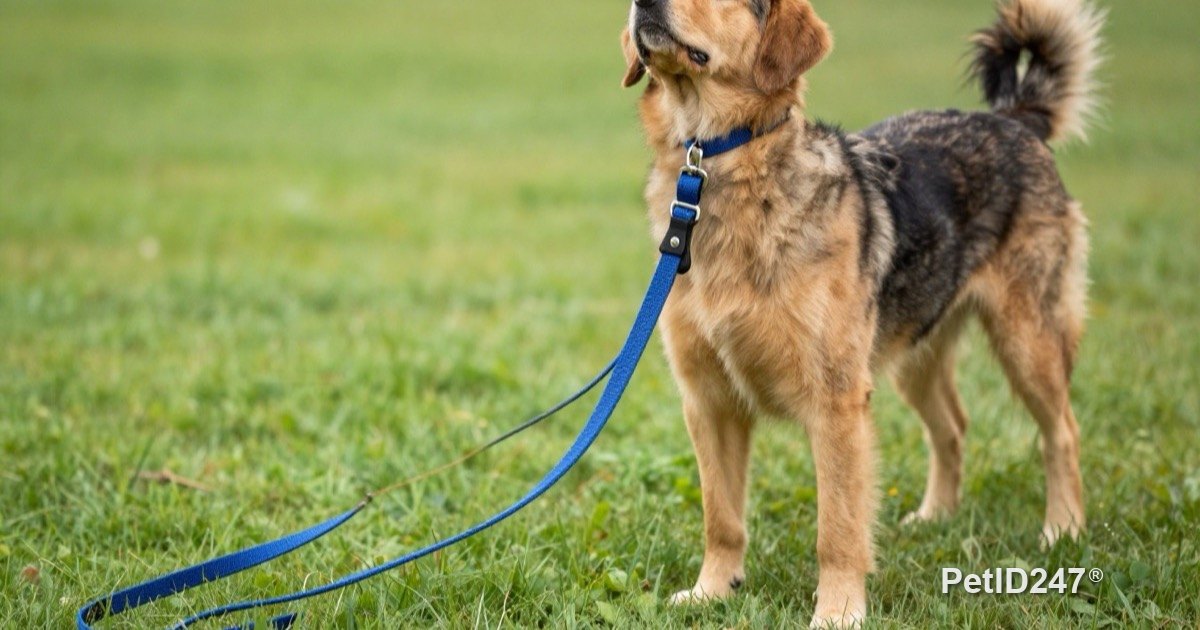
Why Do Dogs Eat Grass? When to Worry

AI-generated illustration
Grass eating is common in dogs and usually harmless. Learn the likely reasons, the real risks to avoid and the signs that mean your dog should see a vet.
Halfway through a walk, your dog suddenly stops and munches a clump of grass by the roadside. Many owners worry their dog is lacking nutrients or has a sore stomach. In fact, eating grass is fairly common in healthy dogs, but there are a few situations you should watch for.
Why dogs eat grass
There is still no single explanation for why dogs eat grass. The possibilities most often mentioned include:
- Natural behavior: dogs' ancestors ate their prey along with the plant matter in its stomach. Dogs are omnivores, so chewing grass may simply be an instinctive habit.
- They like the taste and texture: many dogs prefer fresh young grass, soft and juicy, especially after rain.
- Boredom: dogs with little play or exercise may eat grass to pass the time.
- An unsettled stomach: some dogs eat grass when their stomach is uncomfortable. Even so, most dogs that eat grass don't vomit afterward and show no signs of illness beforehand.
- A low-fiber diet: this may play a part in some dogs, but not always.
In general, if your dog eats grass occasionally and still eats, plays and toilets normally, it is usually not a problem.
Is eating grass dangerous?
Grass itself rarely causes harm. The danger usually comes from what comes with it:
- Herbicides, pesticides and chemical fertilizers: often sprayed in parks, flower gardens, apartment lawns and field edges.
- Parasites: worm eggs can be present in soil and in other animals' feces mixed in with the grass.
- Toxic plants: dogs may accidentally chew leaves of toxic ornamental or wild plants growing among the grass.
- Awned grass seeds and sharp-edged grasses: these can lodge in the throat, nose or between the toes, or scratch the mouth.
- Eating too much: a large amount of tough grass can cause vomiting or indigestion.
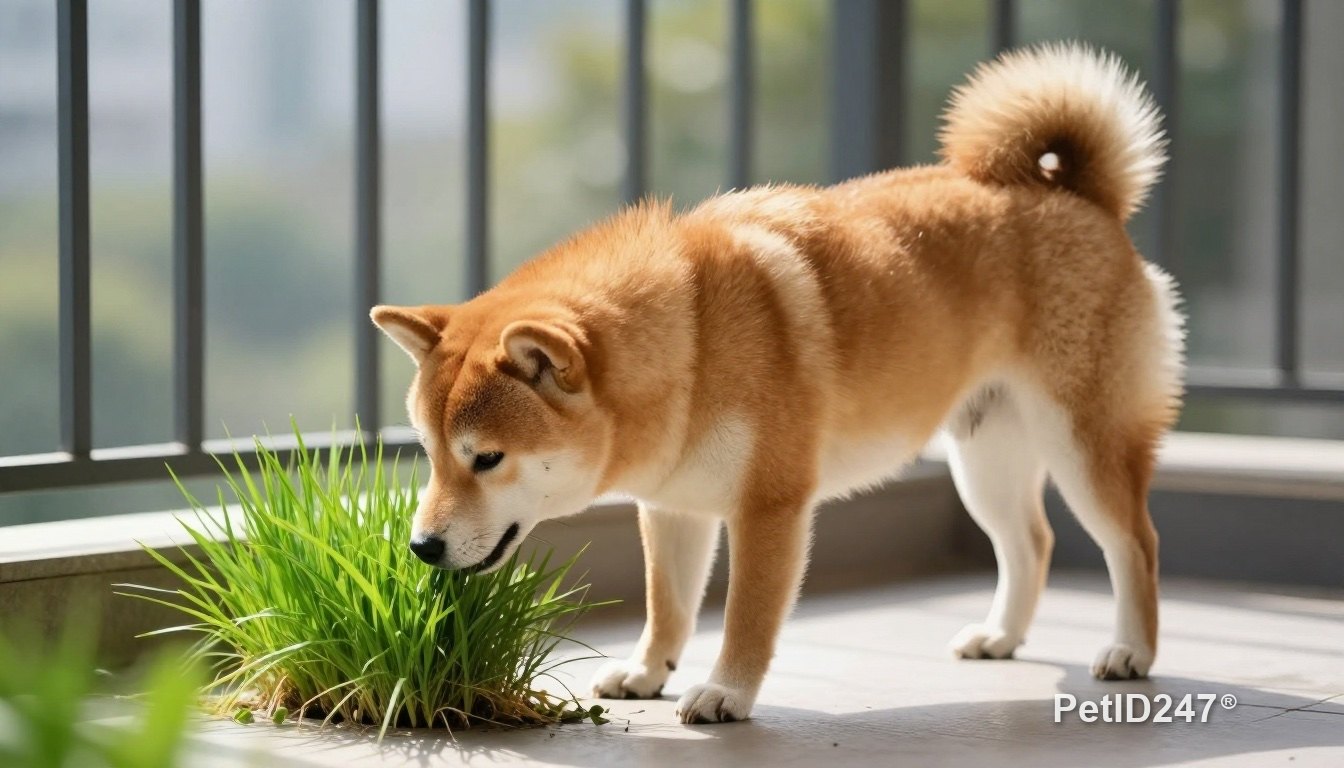
Making grass eating safer
You don't necessarily have to stop your dog eating grass altogether. Reduce the risks with these steps:
- Choose safe walking spots: avoid freshly sprayed areas, places with warning signs, roadsides with heavy traffic fumes and spots with lots of animal droppings.
- Keep the leash on and watch: when your dog goes for an unfamiliar plant, call it back and reward it for listening.
- Grow clean grass at home: a pot of unsprayed young grass on the balcony is a safe option for dogs that love to graze.
- Deworm regularly: on the schedule your veterinarian recommends, especially if your dog often eats grass outdoors.
- Add more exercise and games: if boredom is the reason, longer walks, sniffing games and food-stuffed toys will help.
Should you change your dog's diet?
If your dog eats grass often and in large amounts, take a look at its diet. A complete, balanced food suited to your dog's age usually meets its needs. Dogs fed home-cooked meals may get too little fiber or an unbalanced diet. Some cooked vegetables that are safe for dogs, such as pumpkin, carrot and green beans, can add fiber in small amounts.
Don't change your dog's diet suddenly. Switch gradually over several days, and ask your veterinarian if your dog has an existing health condition or is on a special diet.
When to see a vet
Take your dog to the veterinarian if you notice any of the following:
- Your dog suddenly eats large amounts of grass, constantly and urgently, when it never used to.
- Repeated vomiting, vomiting blood, or vomiting that continues after it stops eating grass.
- Loss of appetite, lethargy, a bloated belly, or pain when its belly is touched.
- Diarrhea, black or bloody stools, or difficulty passing stools.
- Weight loss or a dull, scruffy coat despite eating enough.
- Constant coughing or sneezing, pawing at the nose or head shaking after eating grass, which may mean a grass seed is stuck.
- Your dog has eaten grass in an area that may have been sprayed, or chewed an unknown plant, even if there are no signs yet.
At the visit, tell your veterinarian where your dog eats grass, how often, whether it vomits, and what it currently eats. This information helps find the cause faster.
This article was prepared with the help of artificial intelligence tools and reviewed by the PetID247 editorial team before publication. It is for reference only and does not replace an examination by a veterinarian.