Spaying and Neutering Dogs: Benefits and Aftercare
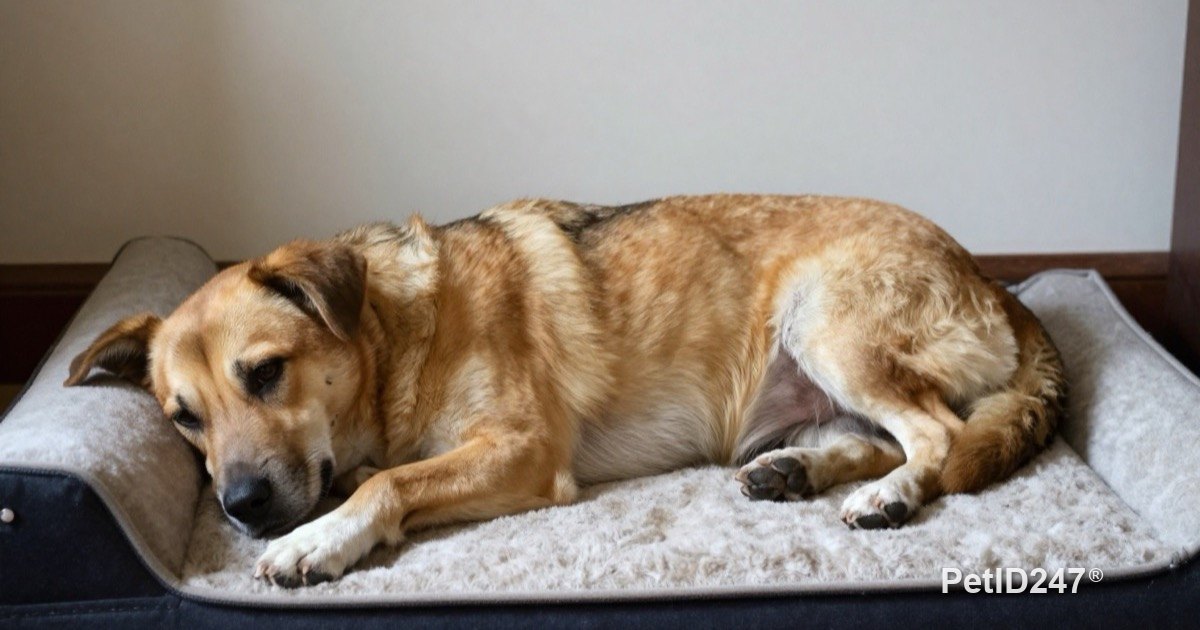
AI-generated illustration
Spaying or neutering prevents unplanned litters and lowers the risk of some diseases. Learn the benefits, what to consider and how to care for your dog after surgery.
Spaying and neutering are common surgeries for dogs. They prevent unwanted litters and help protect against some diseases. Still, it is an operation under general anesthesia, so you need to prepare well and care for your dog properly afterward. This guide covers the benefits, what to ask your veterinarian and how to look after your dog while it recovers.
What spaying and neutering are, and their benefits
In female dogs, spaying usually means removing the ovaries, sometimes along with the uterus. In male dogs, neutering means removing the testicles. After surgery, the dog can no longer reproduce.
Benefits for female dogs
- No more heat cycles and no unplanned pregnancies.
- Pyometra, a dangerous uterine infection in older unspayed females, is almost entirely prevented.
- Early spaying is thought to lower the risk of mammary tumors later in life.
Benefits for male dogs
- No testicular disease, and fewer prostate problems.
- Often less territorial marking, roaming in search of females and mounting objects. How much behavior changes varies between dogs, especially for long-established habits.
Spaying and neutering also help reduce the number of abandoned dogs in the community.
Things to consider before surgery
The right time to spay or neuter is not the same for every dog. For some large breeds, your veterinarian may suggest waiting until the dog is more mature so its bones and joints can finish developing. Discuss your dog's age, breed, weight and health with your veterinarian.
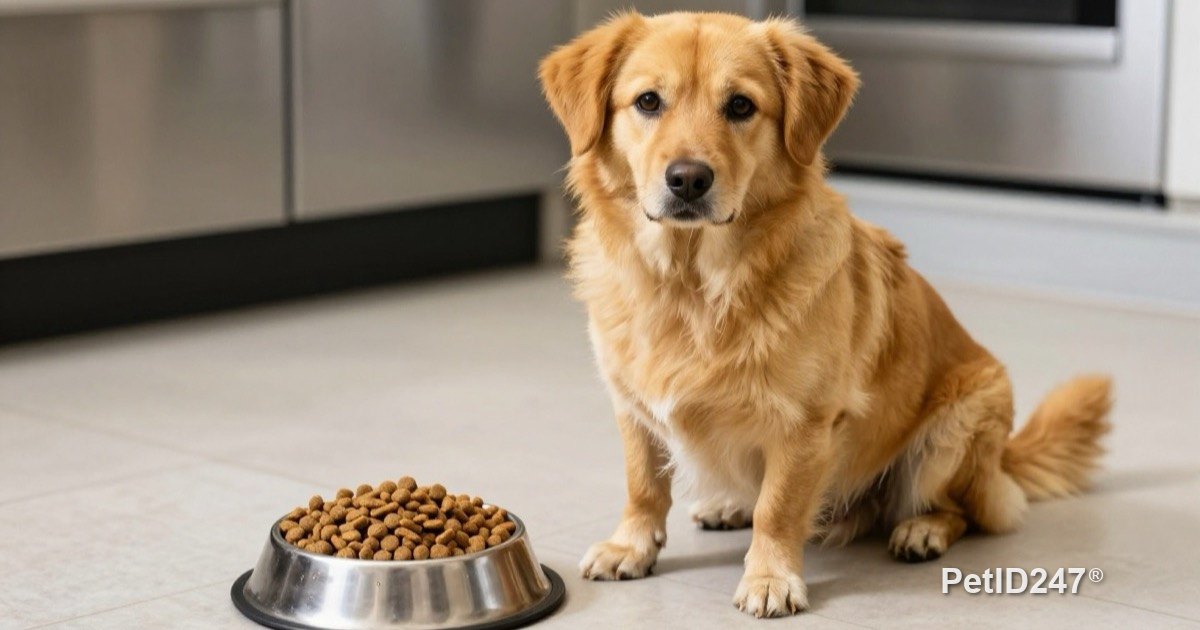
- Weight: after surgery, a dog's energy needs usually drop. If you keep feeding the same amount, your dog may gain weight. Adjust portions and increase exercise.
- Pre-surgery checks: your veterinarian may recommend blood tests to assess whether your dog can safely handle anesthesia, especially if it is older.
- Fasting: follow your vet's instructions on withholding food and water before surgery to lower the risks of anesthesia.
- Females in heat or pregnant: tell your vet in advance so they can choose the right timing.
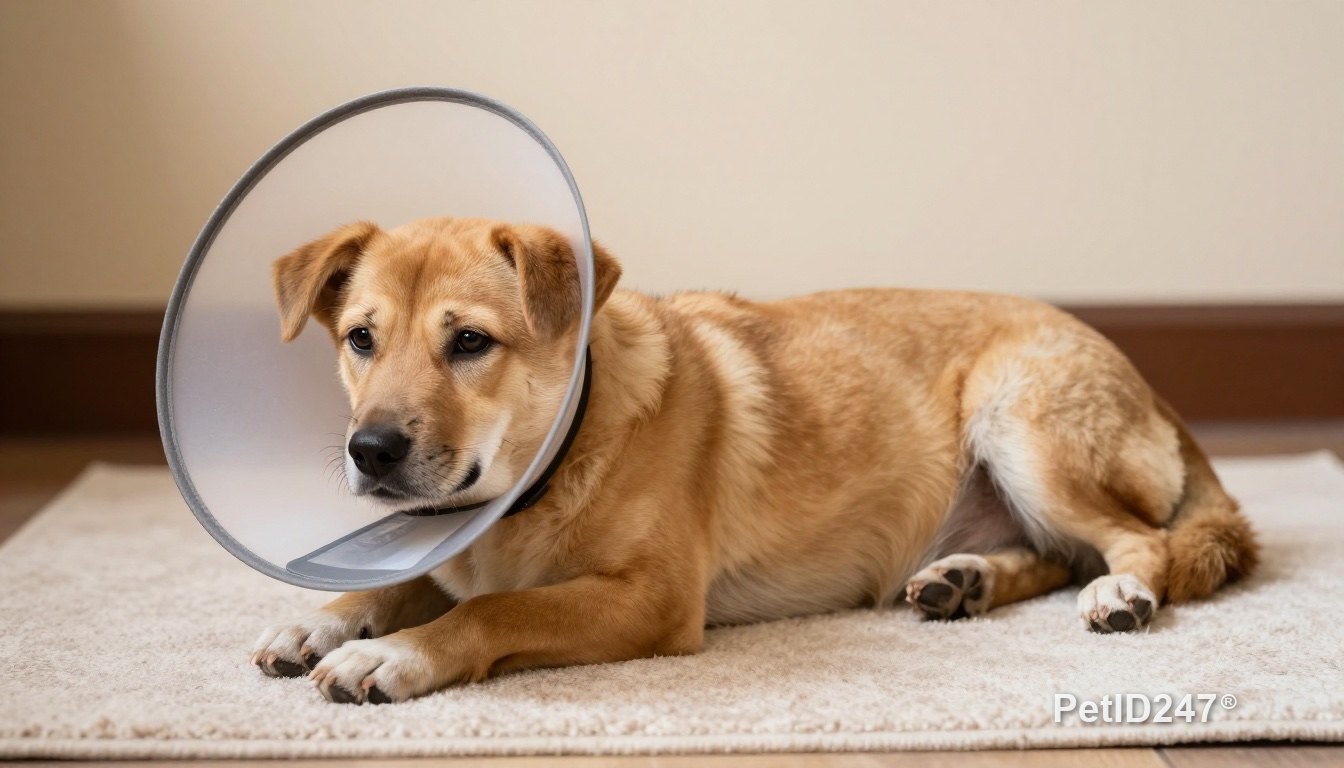
Caring for your dog at home after surgery
The first few hours
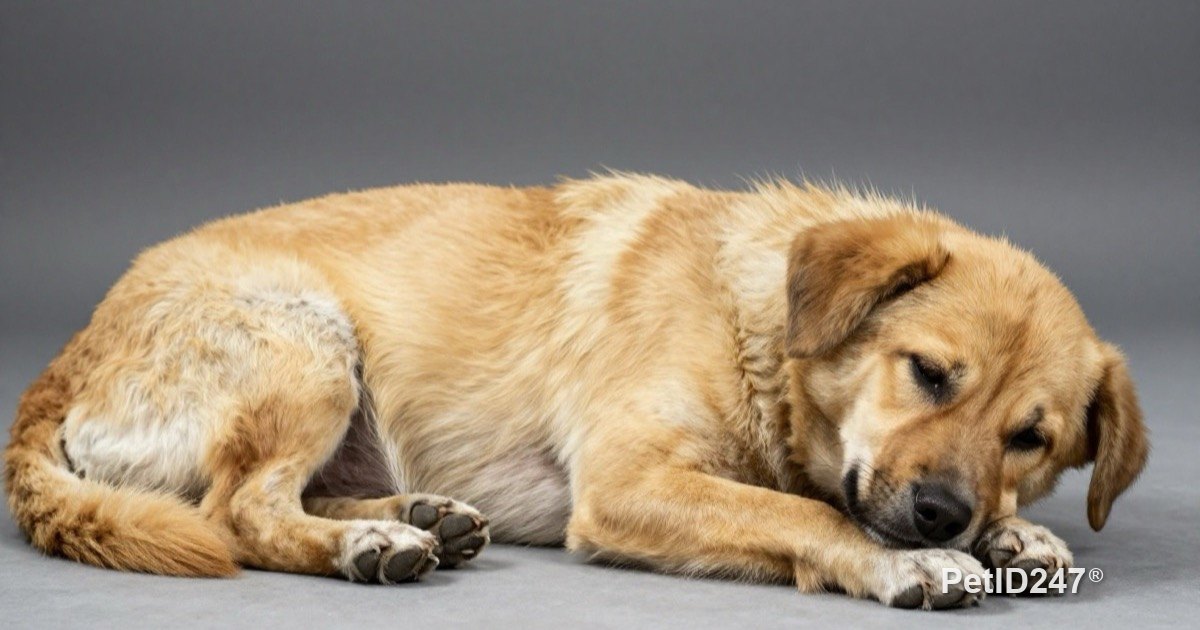
- Prepare a quiet, warm, clean resting place low to the ground so your dog doesn't have to jump up or down.
- Your dog may still be groggy and wobbly from the anesthesia. Let it rest, and keep young children and other pets from disturbing it.
- Offer food and water again as your veterinarian instructs, usually starting with small amounts.
Keep the incision clean and dry
- Check the incision once or twice a day. Slight redness and mild swelling along the edges in the first few days are usually normal.
- Don't let your dog lick or chew the incision. Use a cone or a recovery suit as your vet advises, and keep it on at all times until you are told to remove it.
- No baths, swimming or lying in damp places until your veterinarian says it is okay.
- Don't apply medicine, alcohol or anything else to the incision unless instructed.
Limit activity
For the period your veterinarian recommends, often around two weeks or until the stitches are removed, your dog needs rest:
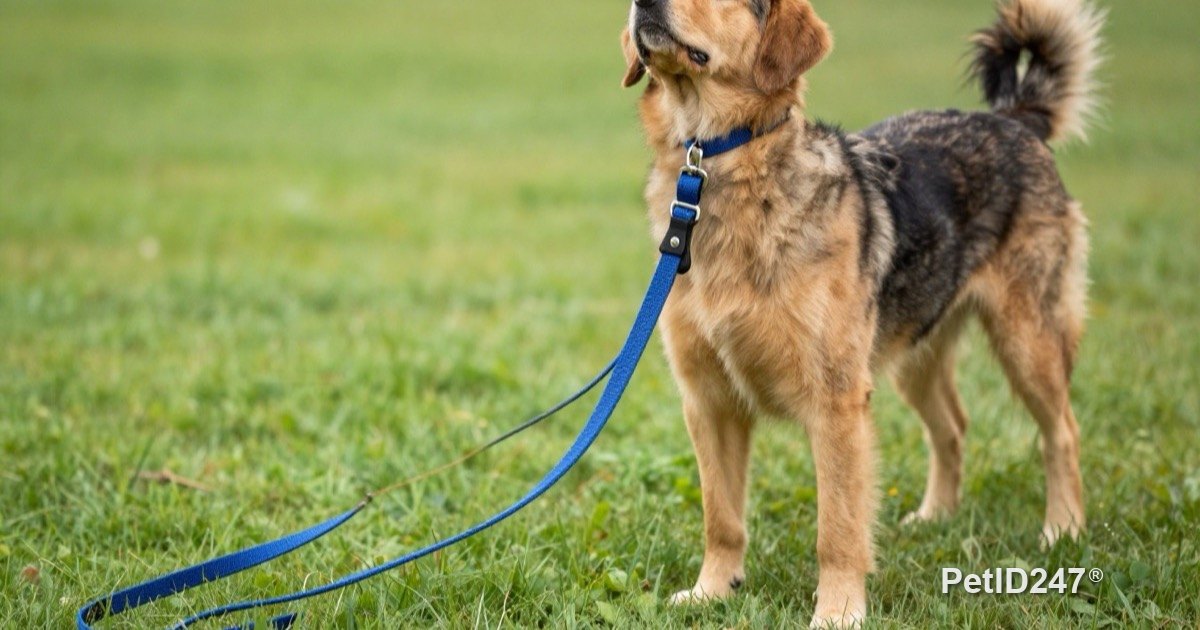
- Only short leashed walks for toilet breaks, with no running, jumping or rough play.
- Block stairs and don't allow jumping onto sofas or beds.
- Offer safe chew toys or gentle food-finding games to prevent boredom.
Any pain relief or antibiotics after surgery should only be given as directed by your veterinarian. Never give your dog human painkillers, as many are highly toxic to dogs. Remember to attend follow-up visits and have the stitches removed on time.
When to see a vet
Contact your veterinarian right away if you notice:
- The incision keeps bleeding, opens up, or leaks pus or smells bad.
- Swelling, redness or heat that gets worse instead of better.
- Your dog refuses food for more than a day, vomits repeatedly, has diarrhea or seems very weak.
- Pale gums, rapid breathing, a swollen belly or severe pain when touched.
- Your dog cannot urinate or strains to urinate.
If you have any questions during recovery, call the veterinarian who performed the surgery rather than relying on advice from the internet.
This article was prepared with the help of artificial intelligence tools and reviewed by the PetID247 editorial team before publication. It is for reference only and does not replace an examination by a veterinarian.