Signs of Pain in Dogs That Owners Often Miss

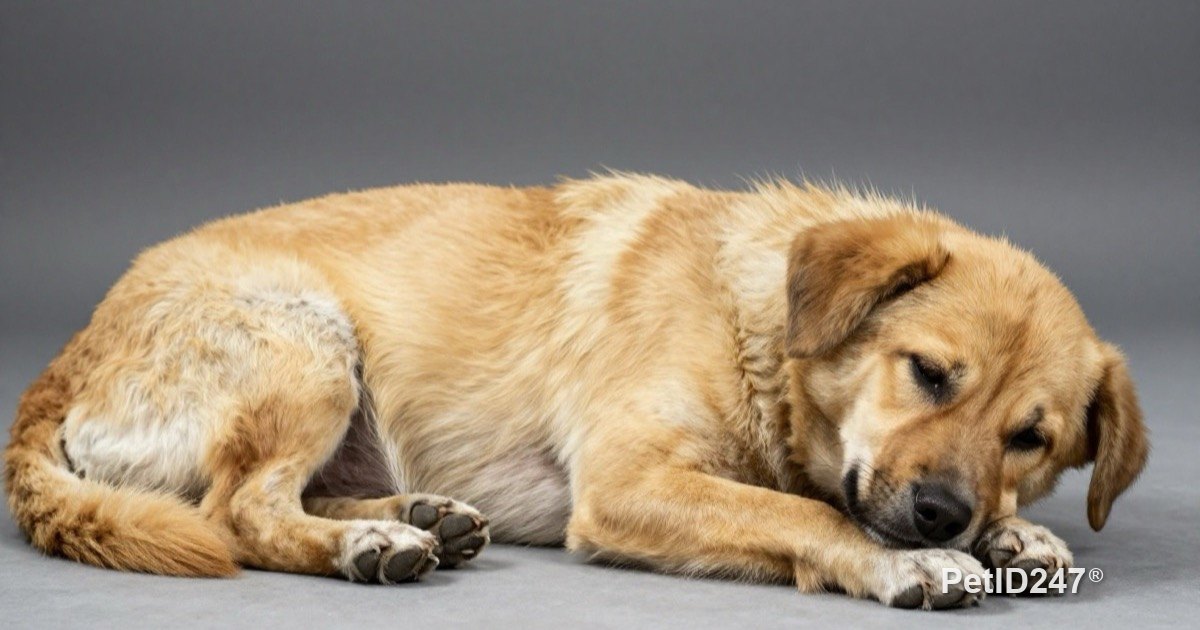
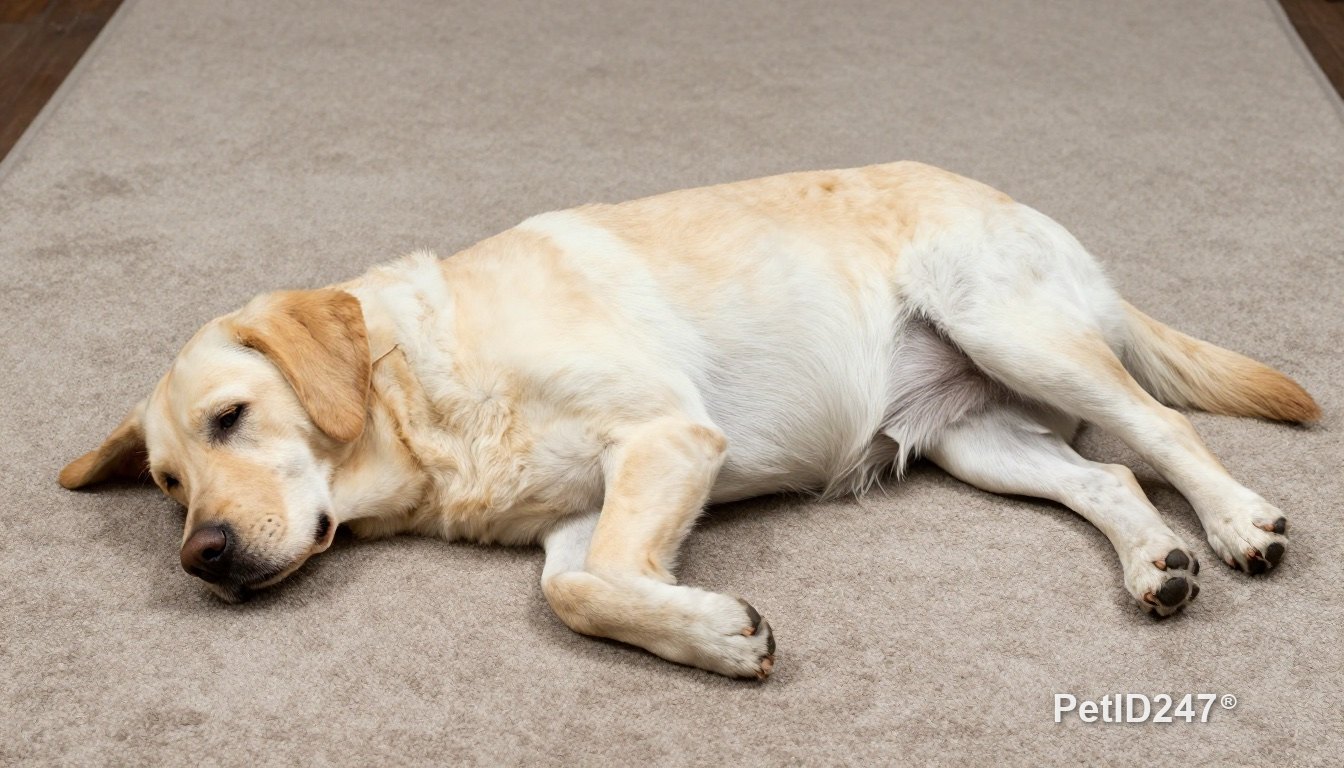
AI-generated illustration
Dogs tend to hide pain. Spotting small changes in gait, habits and temperament early helps you get your dog to the vet in time.
Dogs rarely cry out when they are in pain, especially with dull, long-lasting pain. Most simply change their habits a little, and owners easily put it down to "laziness" or "just getting old". Knowing the subtle signs below helps you spot problems sooner.
Why dogs hide pain
By instinct, animals tend to hide weakness. On top of that, many painful conditions develop slowly, such as arthritis, dental disease or back pain, so the dog gradually adapts and the owner gets used to seeing a "slower" dog. Untreated pain makes dogs eat less, sleep poorly, become irritable and lose quality of life.
Signs that are easy to overlook
Changes in movement
- Reluctance to jump onto the sofa or into the car, or to climb stairs they used to manage.
- Getting up slowly and stiffly after lying down for a while, improving after moving around.
- A slight limp, shifting weight onto one leg, or sitting lopsided.
- Shorter walks, frequent stops, lagging behind.
Changes in posture and breathing
- Hunched back, tucked belly, head held low.
- The "prayer position": front legs and chest lowered, rear end raised, which can be seen with abdominal pain.
- Fast breathing or panting while resting when it isn't hot.
- Trembling even though the dog isn't cold or scared.
Changes in habits and behavior
- Constantly licking, chewing or biting one area of the body, such as a joint, paw or belly.
- Restlessness, changing position many times, struggling to get comfortable.
- Eating slowly, chewing on one side, dropping food or only eating soft food, which may point to dental pain.
- Playing less, wagging less, hiding in corners, not coming to greet you.
- Snapping, growling or pulling away when touched in a certain spot, even by familiar people.
- Toileting in the wrong place, or difficulty squatting to pee or poop.
Signs on the face
Squinting or half-closed eyes, a dull gaze, ears pulled back, tense facial muscles. These small expressions are easily mistaken for sleepiness.
What to do if you suspect your dog is in pain
- Observe and take notes: when the signs started, what time of day they appear, and whether they are getting worse. A short video of your dog walking or getting up is very helpful for the vet.
- Limit strenuous activity: pause running, jumping and stair climbing until your dog has been examined.
- Approach gently: a dog in pain may bite even family members. Don't press hard on the suspected sore spot, and keep children safe.
- Never give your dog human painkillers. Many common human pain and fever medicines can cause stomach ulcers, liver or kidney damage in dogs, and can even be fatal. Any pain medication should be used only as directed by your veterinarian.
Caring for a dog with chronic pain at home
For long-term conditions such as arthritis, alongside the treatment your vet recommends, you can help your dog feel more comfortable:
- Keep your dog at a healthy weight to reduce stress on the joints.
- Lay non-slip rugs on tile floors and use steps or small ramps to help your dog get up and down.
- Provide a thick, soft bed in a dry place.
- Keep up gentle, regular exercise, such as several short walks a day.
- Raise food and water bowls to a comfortable height if your dog struggles to bend down.
When to see a vet
Take your dog to a veterinarian if any sign of pain lasts more than a day or two or is becoming more obvious. Seek emergency care immediately if your dog:
- Won't stand up, can't use a leg, or yelps when touched.
- Has a swollen, tight belly, retches without bringing anything up and is restless, especially in large, deep-chested dogs.
- Strains to pee without producing anything, or has blood in the urine.
- Walks unsteadily, is weak or has paralyzed hind legs.
- Is struggling to breathe or has pale or bluish gums.
- Has just had an accident or a fall from a height, even if it looks fine on the outside.
You know your dog better than anyone. If you feel "something isn't right", that is reason enough to ask your veterinarian.
This article was prepared with the help of artificial intelligence tools and reviewed by the PetID247 editorial team before publication. It is for reference only and does not replace an examination by a veterinarian.