Seasonal Shedding in Dogs: Brushing and Skin Care
AI-generated illustration
Seasonal shedding is natural, but the right brushing keeps your home cleaner and your dog's skin healthier. How to choose brushes, brush properly and care for skin.
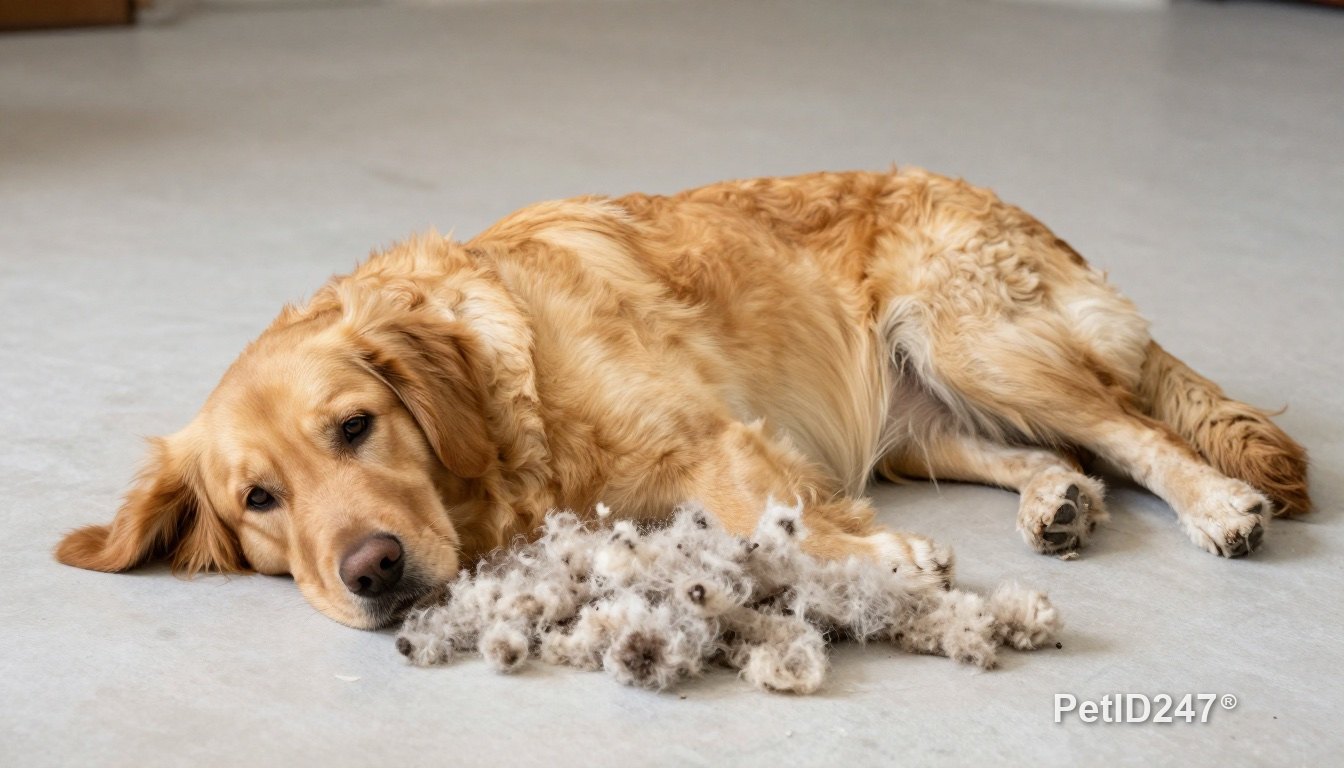
At certain times of year, dog hair ends up everywhere: on the sofa, on your clothes, in every corner. In most cases this is seasonal shedding, a natural process in which a dog replaces its old coat. Brushing properly won't stop the shedding, but it helps dead hair come out faster, lets the skin breathe and keeps your home cleaner.
Why dogs shed seasonally
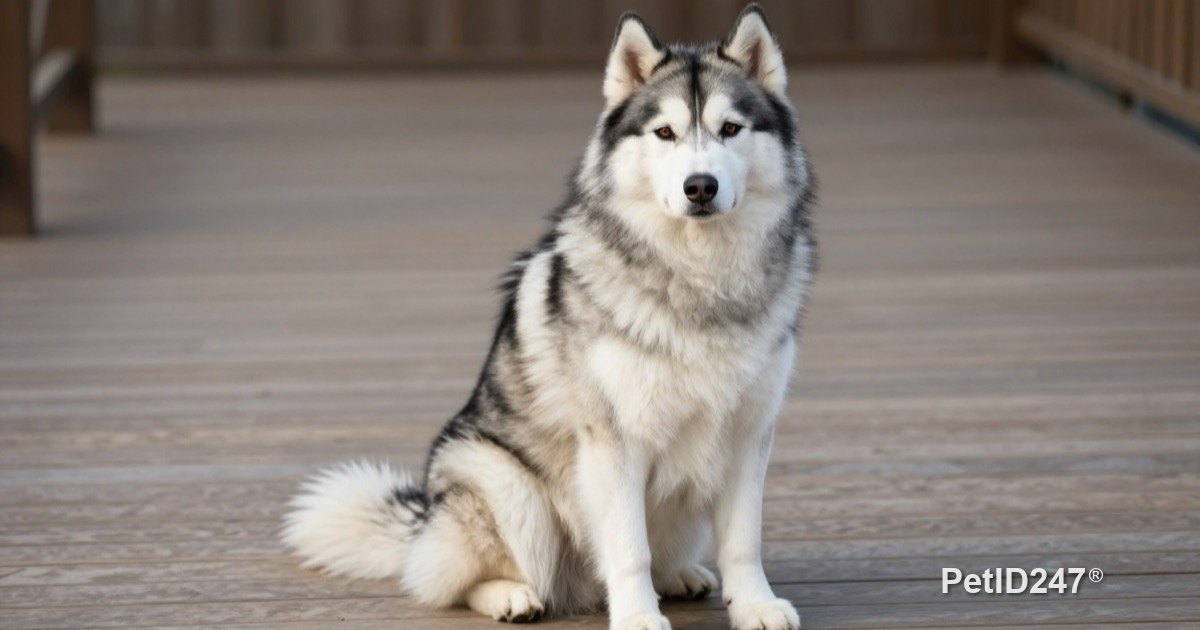
Many breeds have a double coat: a long, coarse outer coat for protection and a soft, dense undercoat for warmth. When the weather and day length change, dogs shed this undercoat. Heavy shedding usually lasts a few weeks.
- Double-coated dogs often shed in large clumps during the shedding season.
- Short, single-coated dogs shed a little all year, and the short hairs easily stick into fabric.
- Curly-coated or continuously growing long-coated dogs drop less hair, but dead hair gets trapped in the coat and causes tangles and mats.
- Dogs living in air-conditioned homes sometimes shed a little all year instead of in clear seasons.
A mother dog after giving birth and nursing, or a dog that has just been ill or stressed, may also shed more than usual for a while.
Choosing the right brush for the coat
- Wide-toothed and fine-toothed combs: suit almost every coat, help work out tangles and show whether dead hair remains.
- Slicker brush: good for long, curly and double coats. Brush gently so the pins don't scratch the skin.
- Undercoat rake: for double-coated dogs during the shedding season, to pull out the loose undercoat.
- Soft bristle brush or rubber grooming mitt: good for short-coated dogs, removing dead hair while massaging the skin.
Tools with cutting blades for removing undercoat must be used correctly and not too often, because overuse can damage the outer coat and irritate the skin. If you are new to them, ask an experienced pet groomer to show you.
How to brush during shedding season
- Brush more often: during heavy shedding, brush daily or every other day. Outside the season, a few times a week is enough for many dogs, as a guide depending on coat type.
- Brush in sections: part the coat into layers and brush from the roots out, in the direction the hair grows. Don't just skim the surface.
- Detangle gently: hold the base of the hair so you don't pull on the skin, and work from the tips toward the roots. Don't cut tight mats close to the skin with pointed scissors; it is easy to cut the skin.
- Focus on tangle-prone areas: behind the ears, armpits, back of the thighs, tail and under the collar.
- Keep sessions short and positive: a few minutes each time, with treats, especially for dogs that aren't used to it.
Don't shave a double-coated dog just to reduce shedding or keep it cool. The coat protects against sun and helps regulate temperature, and a close shave may grow back unevenly. If you want a tidy trim, ask your veterinarian or an experienced groomer.
Skin care during shedding season
- Bathe in moderation: a bath with a dog-specific product, rinsed thoroughly, can help loosen dead hair. Bathing too often dries the skin. Always brush out tangles before a bath, because water tightens mats.
- Dry thoroughly: a thick undercoat holds moisture, and damp skin is prone to fungal problems. Use a warm (not hot) setting and keep the dryer away from the skin.
- Feed a balanced diet: coat and skin need enough protein and healthy fats. A balanced, age-appropriate food is enough for most dogs. Ask your veterinarian before adding supplements.
- Make sure your dog drinks enough and keep the bedding clean.
- Keep up flea and tick prevention as directed by your veterinarian.
Every brushing session is also a chance to check the skin for lumps, red spots, scabs, ticks, fleas or areas with an odd smell.
When to see a vet
Seasonal shedding is usually even across the body, the skin underneath is clean and the dog isn't very itchy. Take your dog to the vet if you notice:
- Obvious bald patches, or symmetrical hair loss on both sides of the body that doesn't regrow.
- Red, scaly, flaky, pimply, oozing or smelly skin.
- Constant scratching, licking or chewing at the coat.
- Hair loss with tiredness, weight gain or loss, increased drinking or urination.
- Heavy shedding that lasts unusually long, beyond your dog's normal shedding period.
Your veterinarian can tell natural shedding apart from skin disease, parasites or hormonal disorders.
This article was prepared with the help of artificial intelligence tools and reviewed by the PetID247 editorial team before publication. It is for reference only and does not replace an examination by a veterinarian.