Rabbit Bloat and Not Eating: Emergency Signs
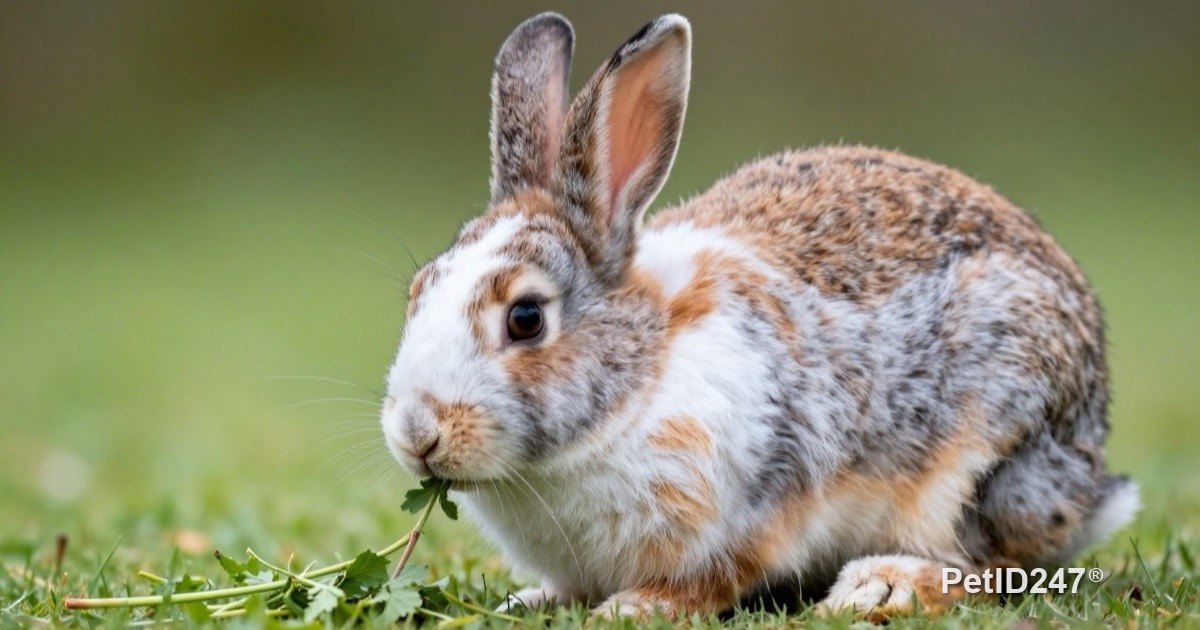
AI-generated illustration
A rabbit that stops eating, stops pooping or has a swollen belly is an emergency that can become life-threatening quickly. Learn to spot it early and respond correctly.
For a dog or cat, skipping one meal may not be cause for worry. Rabbits are different: a rabbit that stops eating and stops pooping has a serious digestive problem that can get worse very quickly. Recognizing it early and getting to a vet in time can save your rabbit's life.
Why a rabbit not eating is dangerous
A rabbit's digestive system is designed to keep moving all the time, driven by large amounts of fiber from hay. When food slows down or stops moving, a condition often called gastrointestinal stasis, problems pile up:
- Swallowed food and fur dry out and harden in the stomach and intestines.
- Harmful gut bacteria multiply and produce gas, causing bloating and pain.
- The rabbit hurts, so it eats even less, creating a vicious circle.
- Rabbits can't vomit, so gas and food have no way out.
A more severe form is a true blockage in the intestine, which makes the stomach swell very quickly. This is life-threatening and needs emergency care right away.
Common causes
- Too little hay: lots of pellets, sweet vegetables, treats and fruit, and not enough coarse fiber.
- Pain: overgrown teeth, sharp tooth points cutting the cheeks or tongue, joint pain, urinary disease. A rabbit in pain often stops eating first.
- Stress: a move, loud noise, dogs or cats lurking, losing a companion, hot weather.
- Swallowing a lot of fur during a molt without being brushed.
- Drinking too little and getting little exercise.
- Eating foreign objects: carpet, fabric, electrical cords, plastic.
Signs to recognize right away
Every day, check that your rabbit is eating hay and producing normal droppings. Healthy rabbit droppings are round, even, plentiful and brown, and you can see hay fibers when one is broken open. Be alert if you notice:
- Your rabbit won't eat, even favorite foods, or eats very little.
- Fewer, smaller, dry and hard droppings, or none at all.
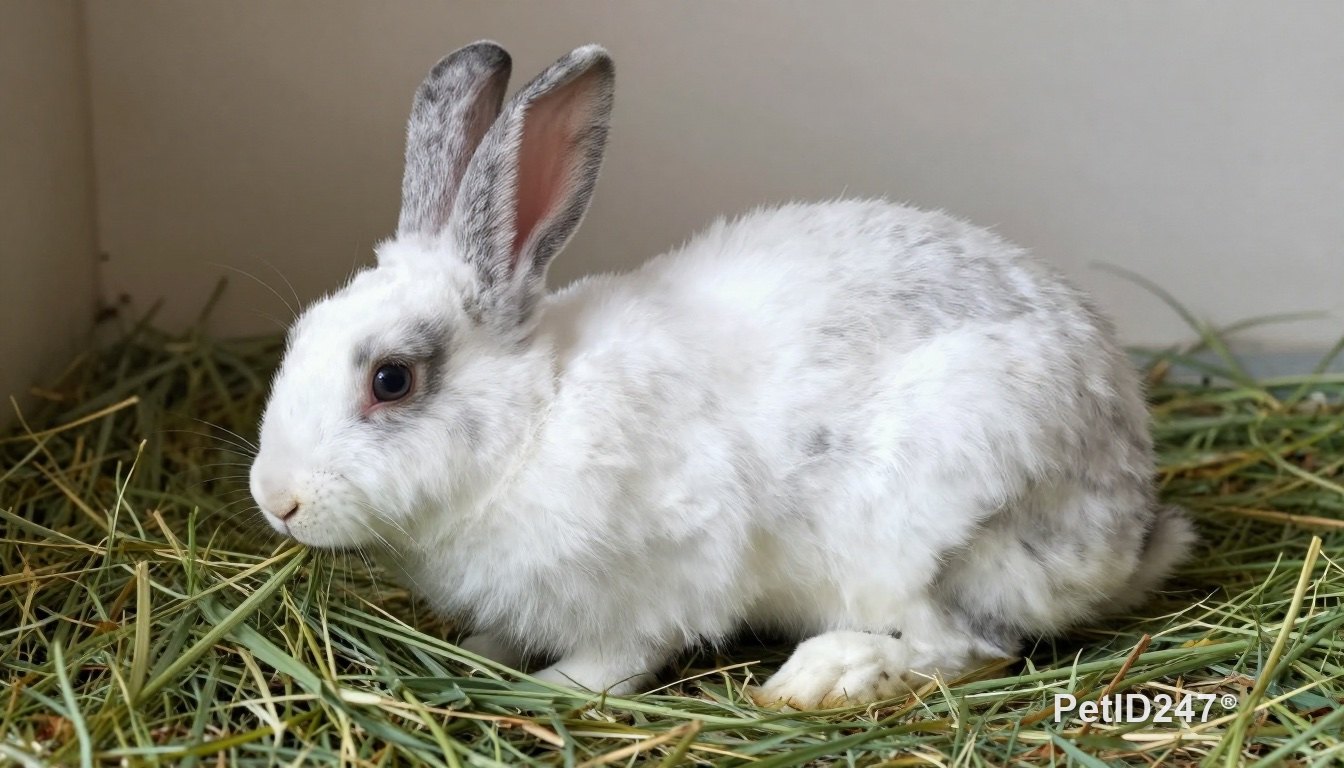
- Sitting hunched in one spot, reluctant to move, pressing the belly to the floor.
- Loud, audible tooth grinding. This is usually a sign of pain.
- A tight, swollen belly that sounds like a drum when tapped, or very loud gut noises.
- Cold ears and feet, dullness, not reacting as usual.
- Stretching out then changing position again and again, restless with discomfort.
What you should do
- Call a veterinarian right away, ideally one experienced with rabbits. Don't wait until tomorrow. A rabbit that hasn't eaten or pooped for around half a day is already a reason to call.
- Don't give any medicine yourself, including human medicines, gut stimulants or painkillers. All medicines should be used only as directed by your veterinarian, because if the intestine is blocked, some drugs can make things worse.
- Don't syringe-feed without your vet's guidance, especially when the belly is swollen and tight.
- Don't massage the belly hard.
- Keep your rabbit warm and calm on the way, especially if its ears and feet feel cold. Bring some hay and note when your rabbit last ate and pooped.
Everyday prevention
- Unlimited clean, fragrant hay as the main part of the diet.
- Suitable leafy greens every day; pellets only a small part; fruit and sweet treats very limited.
- Fresh water always available, changed daily.
- Several hours a day of exercise outside the hutch in a safe area.
- Regular brushing, especially during molts.
- Cover electrical cords and put away fabric and plastic items your rabbit might chew.
- Regular dental checks with your veterinarian.
When to see a vet
Take your rabbit to the vet right away, as an emergency, if it:
- Hasn't eaten or pooped for around half a day or more.
- Has a tight, hard, swollen belly, seems painful or grinds its teeth.
- Is dull, lying still, has cold ears or isn't responding.
- Produces droppings that get smaller and fewer over one to two days, even while still eating a little. In this case, also book a vet visit soon.
This article was prepared with the help of artificial intelligence tools and reviewed by the PetID247 editorial team before publication. It is for reference only and does not replace an examination by a veterinarian.