Parrot Feather Plucking: Causes and How to Help
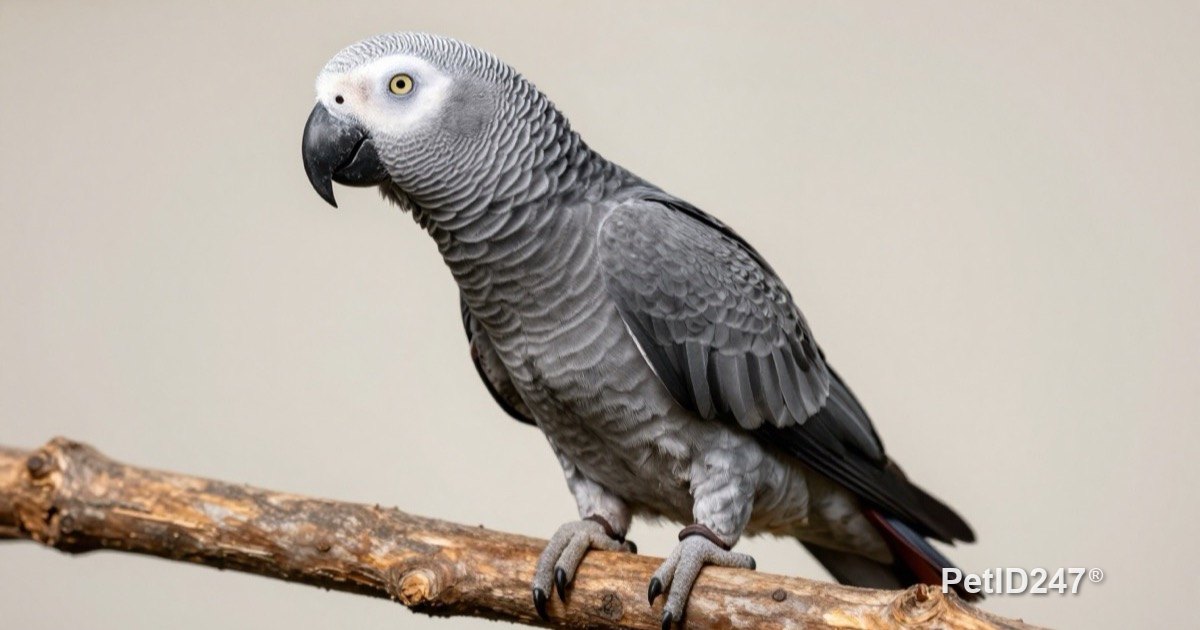
AI-generated illustration
Feather plucking in parrots can stem from illness, diet, environment or stress. Learn the likely causes, what you can do and when to see an avian vet.
Seeing bald patches on your parrot's chest, wings or legs is worrying and confusing for many owners. Feather plucking is a complex problem in parrots, often with several overlapping causes, both medical and behavioral. This guide helps you understand the problem and know where to start.
Normal preening or feather plucking?
Parrots spend a lot of time each day preening. This normal behavior keeps feathers clean and neatly arranged and removes the sheaths from new feathers. During molting, you will also see plenty of feathers on the cage floor.
Feather plucking is different. Possible signs include:
- Bald patches, often on the chest, belly, thighs and under the wings, where the beak can reach. The head usually keeps its feathers because the parrot can't reach it.
- Feathers that are chewed, frayed or broken off.
- The parrot pulling out feathers, chewing them and dropping them.
- In more serious cases, the parrot biting its own skin and causing bleeding wounds.
Common causes
Medical causes
- Skin infections, fungal infections and external parasites.
- Nutritional deficiencies from a mostly seed diet, especially a lack of vitamin A.
- Internal illness such as liver disease, digestive disease or pain in one area of the body.
- Some viral diseases of parrots can cause abnormal feather growth that is easily mistaken for plucking.
- Allergies or irritation from smoke, dust or household chemicals.
Environmental and behavioral causes
- Boredom: parrots are intelligent. In the wild they spend most of their time foraging. In a small cage with few toys, they may turn to plucking.
- Loneliness: parrots are flock animals and can become stressed when left alone for long periods.
- Big changes: moving house, a new cage, a new pet, or a family member going away.
- Lack of sleep: a cage in a brightly lit room that stays noisy late into the night.
- Dry air and too few baths: dry, itchy skin.
- Hormones: breeding season or prolonged hormonal behavior.
Some species, such as African greys and cockatoos, are thought to be more prone to this problem, but any parrot can be affected.
What you can do to help
The first step is always to take your parrot to an avian veterinarian to rule out medical causes. Only once you know your parrot isn't ill, or the illness has been treated, will changes to its environment be effective. Alongside that, you can:
- Improve the diet: gradually move from seed only to a diet that includes parrot pellets, fresh vegetables and moderate fruit, following your veterinarian's guidance.
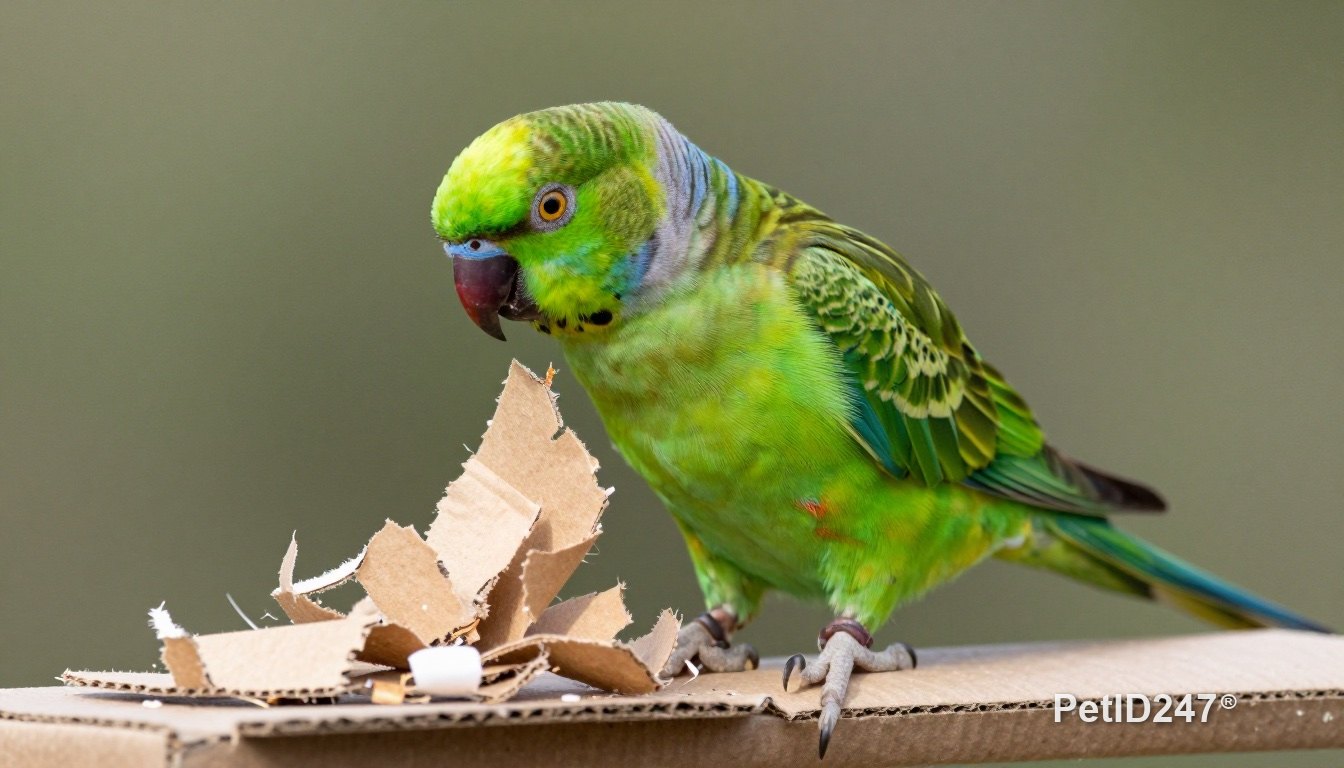
- Increase foraging: hide food in paper, cardboard boxes or puzzle toys so the parrot has to search, peel and shred.
- Provide destructible toys: soft wood, paper and safe natural rope. Rotate toys often.
- Spend time interacting: talk, teach simple tricks and let your parrot out of the cage in a safe area every day.
- Ensure enough sleep: a quiet, dark room at night, roughly 10–12 hours as a guide.
- Bathe regularly: a gentle mist or a shallow water dish a few times a week if your parrot enjoys it.
- Keep the air clean: no smoking, no chemical sprays, and no overheated non-stick pans near birds.
- Keep routines stable: make any changes gradually.
What not to do
- Don't scold, punish or spray your parrot with water when it plucks. This only adds to its stress.
- Don't apply medicines or sprays to the feathers and skin on your own.
- Don't fit an anti-pecking collar yourself. If a collar is needed, your veterinarian must decide and show you how to use it.
Be patient. Feathers take time to regrow, sometimes a full molt cycle. Some parrots that have plucked for years may never fully recover, but they can still live happy, healthy lives with good care.
When to see a vet
Take your parrot to an avian veterinarian as soon as you notice it starting to pluck. Seek urgent care if:
- Your parrot is biting into its skin and causing bleeding wounds.
- Plucking comes with fluffed-up feathers, excessive sleeping, loss of appetite or weight loss.
- Droppings change color, become loose or contain blood.
- New feathers grow in deformed, or the beak or nails look abnormal.
- Breathing is difficult, with the tail bobbing strongly with each breath.
Feather plucking rarely has a single cause. Combining a vet exam, a better diet, more enrichment and a stable routine is the best way to help your parrot.
This article was prepared with the help of artificial intelligence tools and reviewed by the PetID247 editorial team before publication. It is for reference only and does not replace an examination by a veterinarian.