Overgrown Rabbit Teeth: Causes and Prevention
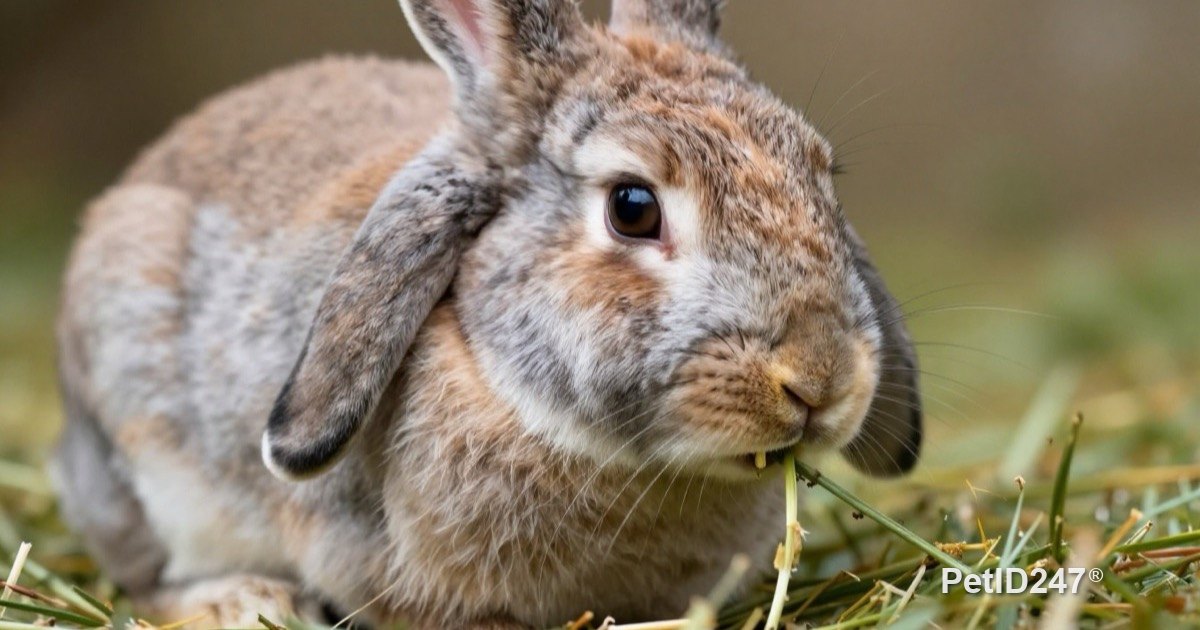
AI-generated illustration
Rabbit teeth grow throughout life and need to wear down evenly every day. Learn why rabbit teeth overgrow, the signs to watch for and how diet prevents problems.
Dental disease is one of the most common health problems in pet rabbits. The good news is that most cases can be prevented with one very simple habit: giving your rabbit plenty of hay every day. Understanding how rabbit teeth work will help you care for your rabbit properly from the start.
How rabbit teeth differ from dog and cat teeth
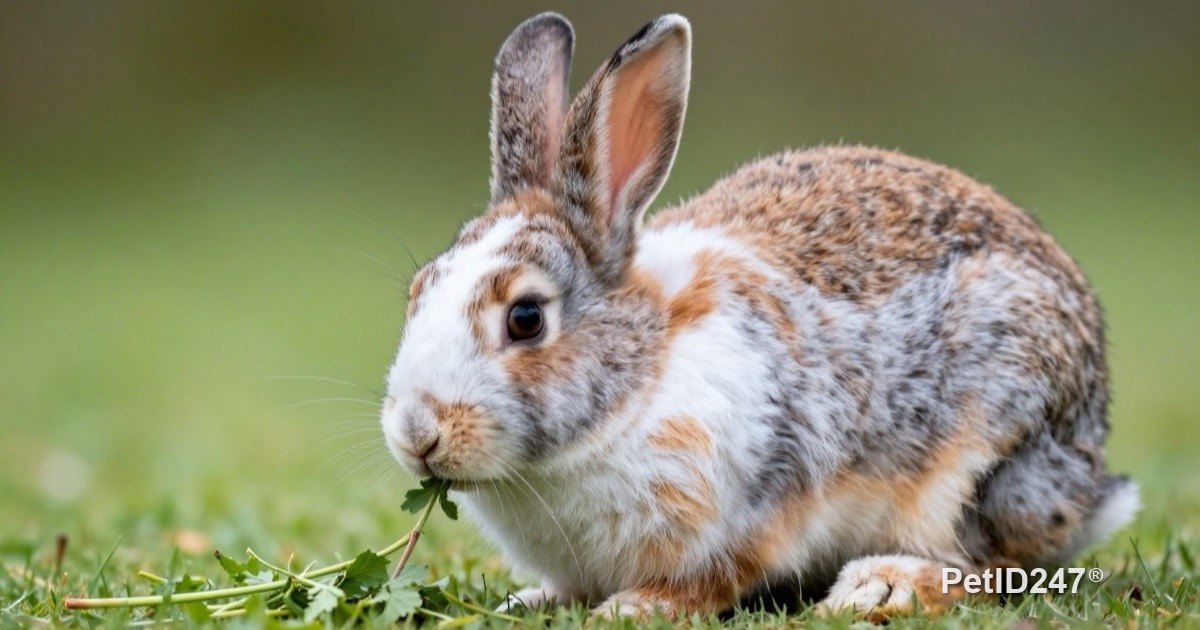
All of a rabbit's teeth, both the front incisors and the cheek teeth at the back, grow continuously throughout life. In the wild, rabbits graze almost all day. Grass is full of coarse fiber and hard minerals that make rabbits grind side to side for long periods, wearing the teeth down at about the same rate they grow.
When this balance is lost, teeth grow too long, the bite becomes misaligned, and sharp spurs form that cut into the cheeks and tongue. Long incisors can curl inward into the gums or stick out of the mouth. The roots of the cheek teeth can also grow deeper into the jawbone, causing abscesses or pressing on the tear ducts.
Why rabbit teeth overgrow
- Not enough hay: the most common cause. Pellets, soft vegetables and treats are chewed very quickly and don't wear the teeth enough.
- Genetics and breed: some short-faced, lop-eared or dwarf breeds are more prone to inherited bite problems.
- Injury: falls, knocks or frequent bar-chewing can break or misalign the incisors.
- Lack of light and minerals: an unbalanced diet may affect the jawbone. Ask your veterinarian before adding any supplement.
- Age: older rabbits are more prone to dental problems.
Signs of dental trouble in rabbits
Rabbits are very good at hiding pain. Early signs are often subtle:
- Picky eating, choosing only soft foods, leaving hay or eating more slowly.
- Picking food up and dropping it, chewing oddly, tilting the head while chewing.
- Drooling, a wet chin, matted fur on the neck and front legs.
- Watery eyes or cloudy white discharge from one eye.
- A lump on the lower jaw or below the eye.
- Smaller, fewer droppings; a dirty bottom because the rabbit can't eat its night droppings (cecotropes).
- Weight loss and a scruffy coat because grooming is uncomfortable.
- Visibly long, curved, crooked or protruding front teeth.
Preventing dental disease through diet
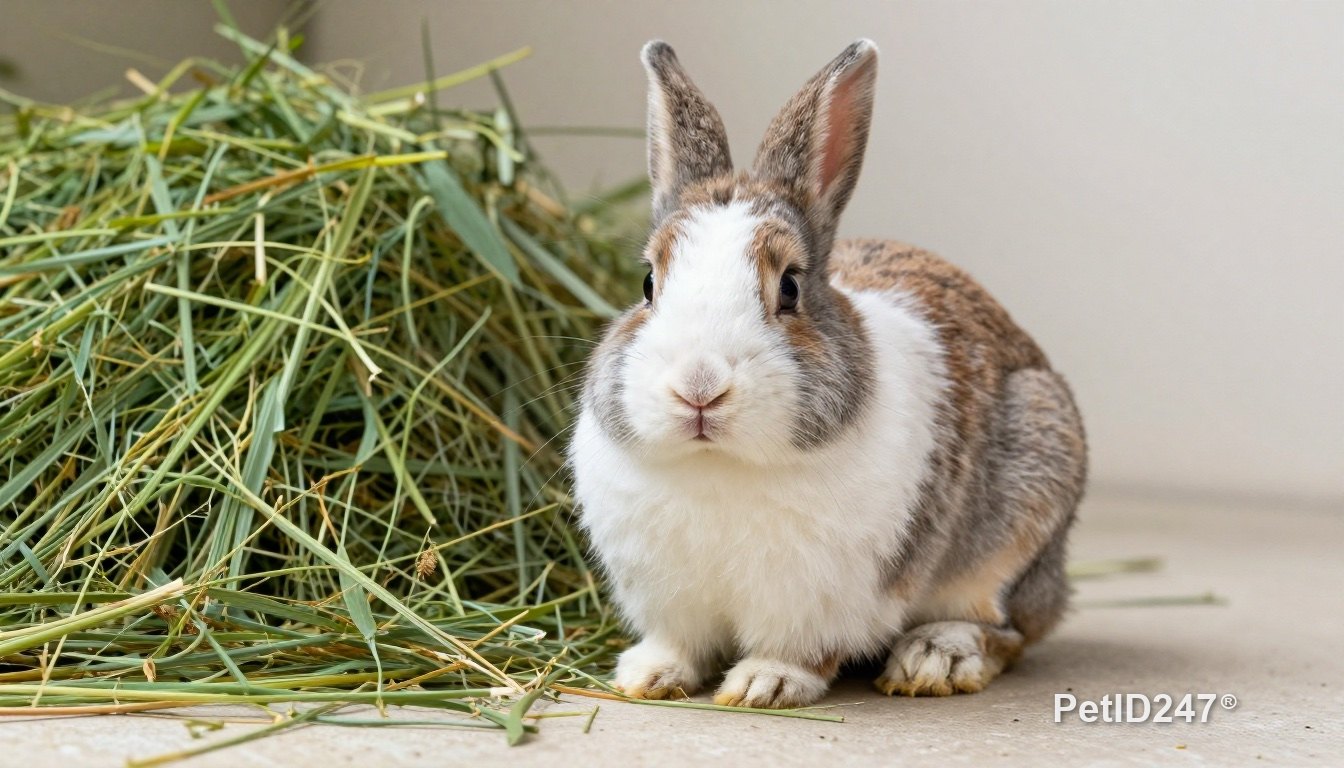
- Unlimited hay: clean, fragrant hay should make up most of the daily diet. Your rabbit should eat a large amount of hay each day; a common guide is roughly a pile the size of its own body.
- Leafy greens: many rabbit-safe leafy greens add extra chewing and moisture.
- Limit pellets: only a small portion daily, choosing a plain rabbit pellet rather than colorful mixes with grains that rabbits pick through.
- Very few sweet foods: fruit and carrots are small treats only.
- Safe chews: unsprayed fruit-tree branches, unpainted wooden chews or woven grass toys. Chews mainly help the incisors; the cheek teeth still rely on hay.
If your rabbit chews the cage bars a lot, check whether the enclosure is too small or whether your rabbit is bored or lacks time outside.
Treatment at the vet
Your veterinarian will check the incisors and use special instruments to look at the cheek teeth, and may take X-rays of the jaw. Overgrown teeth or spurs are usually trimmed or filed, often under anesthesia so it can be done safely and thoroughly. Rabbits with inherited bite problems may need regular dental work for life, or removal of the incisors if the vet thinks it's appropriate.
Never clip your rabbit's teeth yourself with nail clippers. This can split the tooth lengthwise, expose the pulp, and cause pain and infection.
When to see a vet
- Your rabbit eats less, leaves its hay or stops eating. A rabbit that stops eating completely is an emergency.
- Drooling, a wet chin, watery eyes or discharge from one eye.
- Swelling of the jaw or below the eye.
- Long, curved, crooked or broken front teeth.
- Weight loss, or droppings that become fewer and smaller.
Have your rabbit's teeth checked regularly, for example once a year or on the schedule your veterinarian recommends, even if your rabbit seems healthy.
This article was prepared with the help of artificial intelligence tools and reviewed by the PetID247 editorial team before publication. It is for reference only and does not replace an examination by a veterinarian.