Lost Dog: How to Find Your Dog Fast and Prevent It
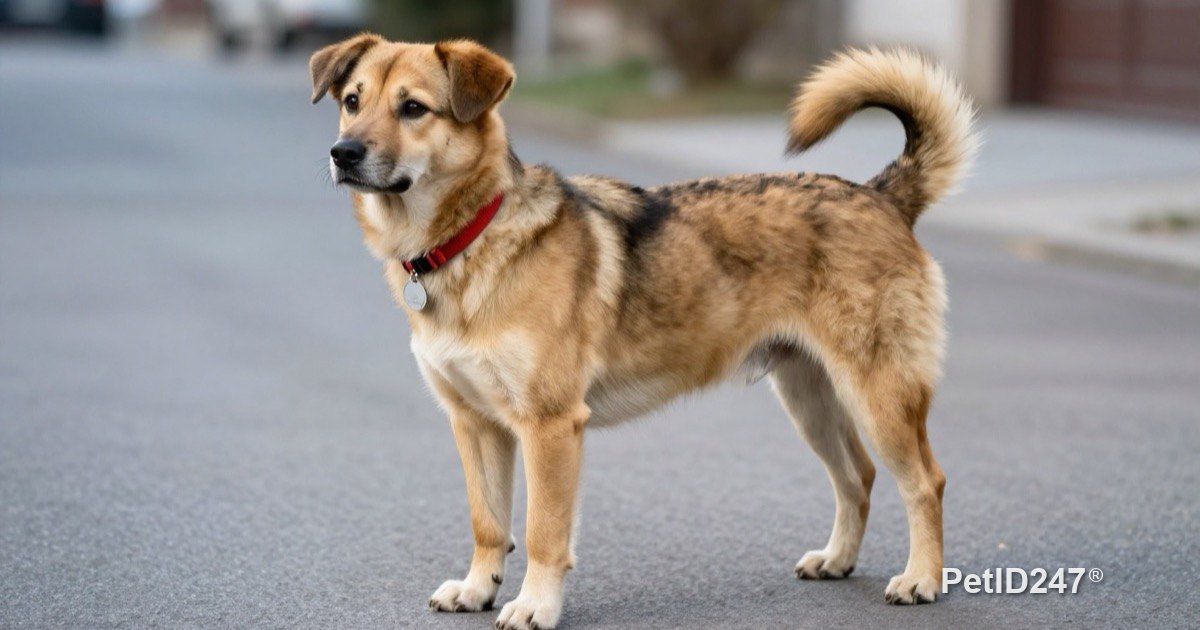
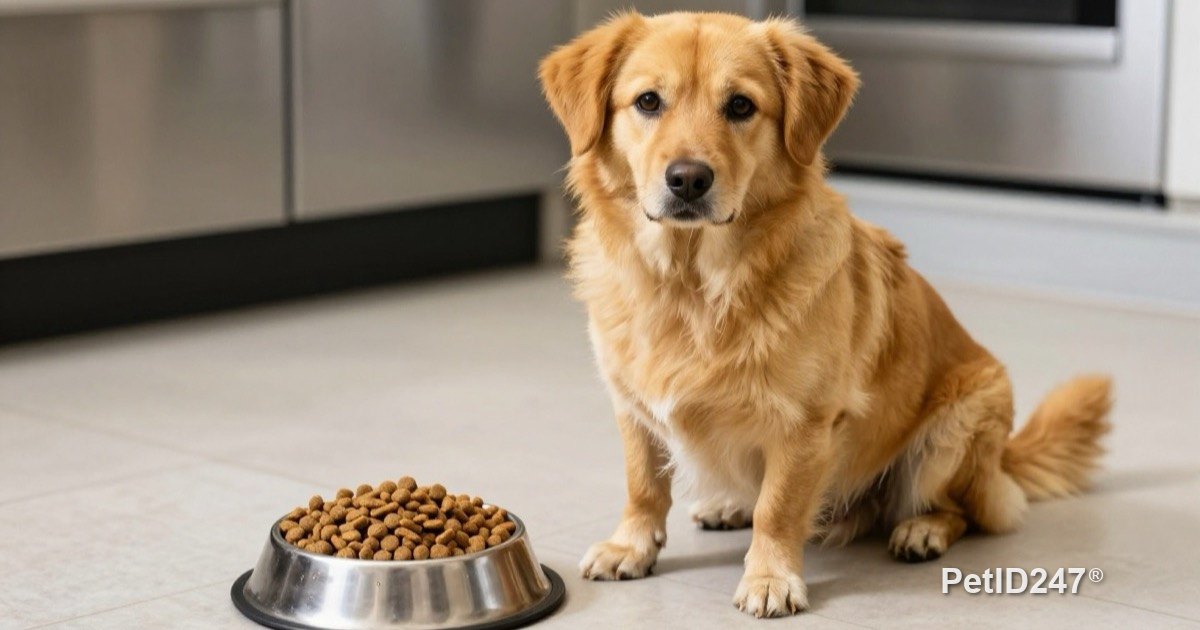
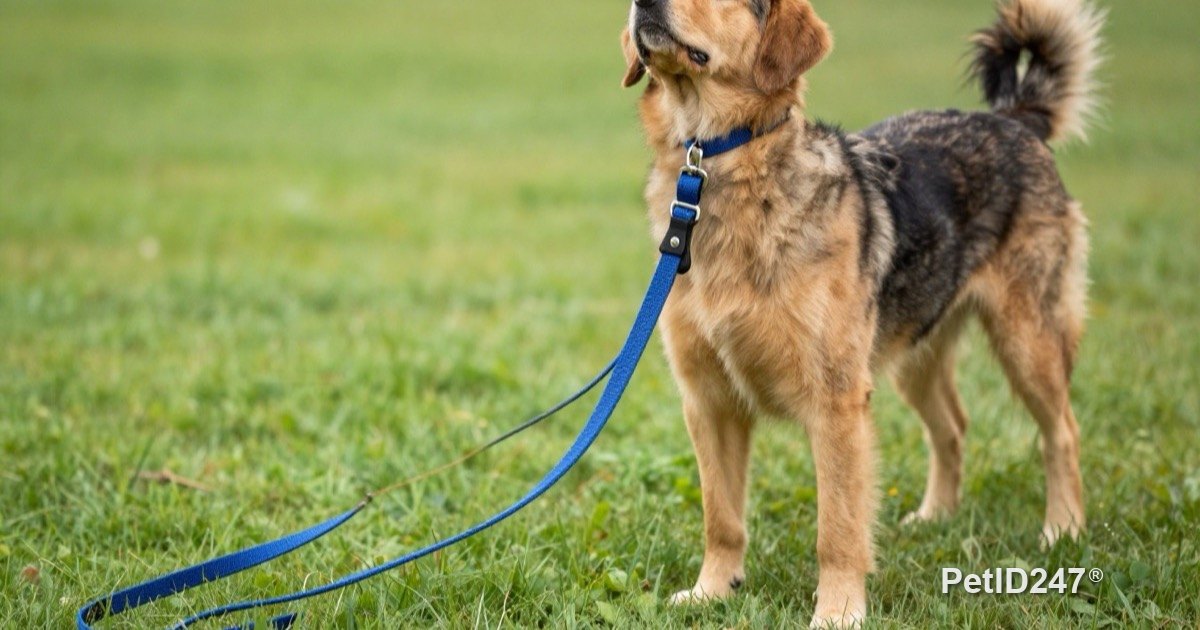
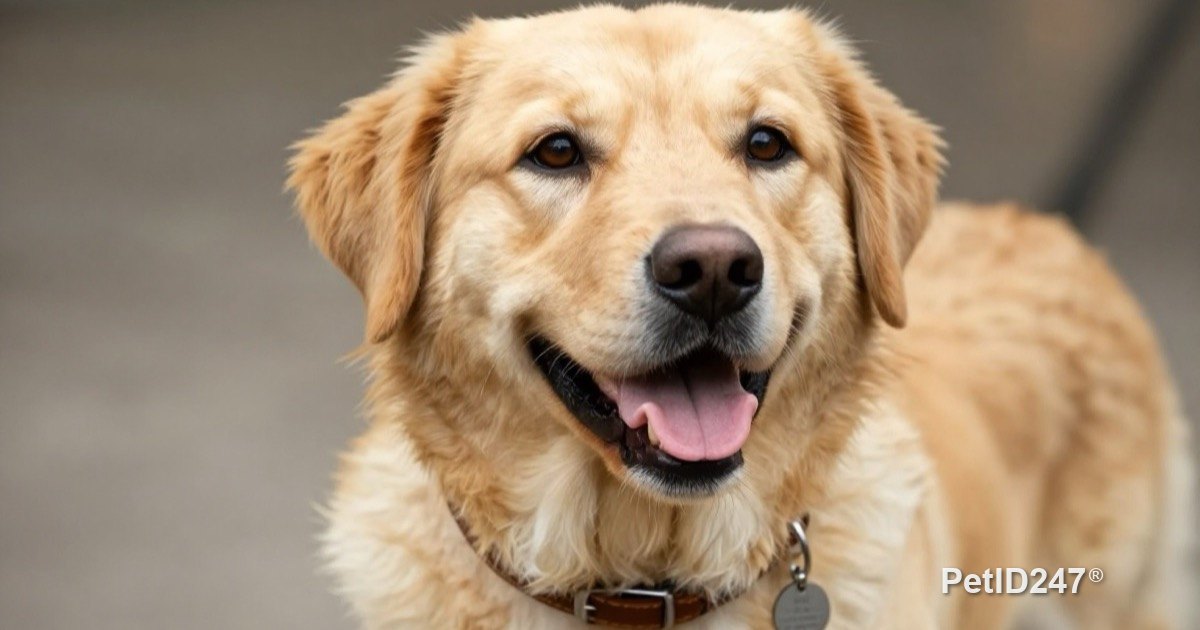
AI-generated illustration
The first hours after a dog goes missing matter most. Here are the steps for a systematic search and how to stop your dog getting lost again.
One gate left open or one burst of fireworks is all it takes for your dog to bolt. Panic is a natural reaction, but calm, planned action is what improves your chances of getting your dog back. This guide covers what to do right away and how to make it less likely to happen.
What to do in the first few hours
- Search close to home first: many dogs simply hide under cars, under stairs, in bushes or in nearby sheds, especially when frightened.
- Split up the search: send each person in a different direction with your dog's favorite treats, a leash and a phone to keep in touch.
- Walk and call calmly: call your dog's name in a cheerful, familiar voice. A scared dog may run if chased or shouted at.
- Leave familiar scents at your door: your dog's bed, an old shirt of yours, a water bowl. Many dogs find their way home by smell.
- Keep someone at home: so someone is there if your dog returns on its own or a caller rings.
Spread the word
Prepare a lost dog notice
A good notice is short and easy to recognize:
- A clear photo showing your dog's whole body and face.
- Breed, coat color, size and distinctive features (spots, folded ears, short tail, collar color).
- When and where your dog went missing.
- A contact phone number.
- A note saying “please don't chase, call the owner” if your dog is shy.
Get the information to the right places
- Post notices at neighborhood entrances, markets, cafés and bus stops nearby.
- Tell building security, neighborhood groups, street cleaners and delivery riders who pass through the area.
- Post in local residents' groups and pet lovers' groups on social media.
- Call or visit veterinary clinics, animal rescue groups and stray animal facilities near you.
- If your dog is microchipped, notify the microchip registry right away so your dog is flagged as missing.
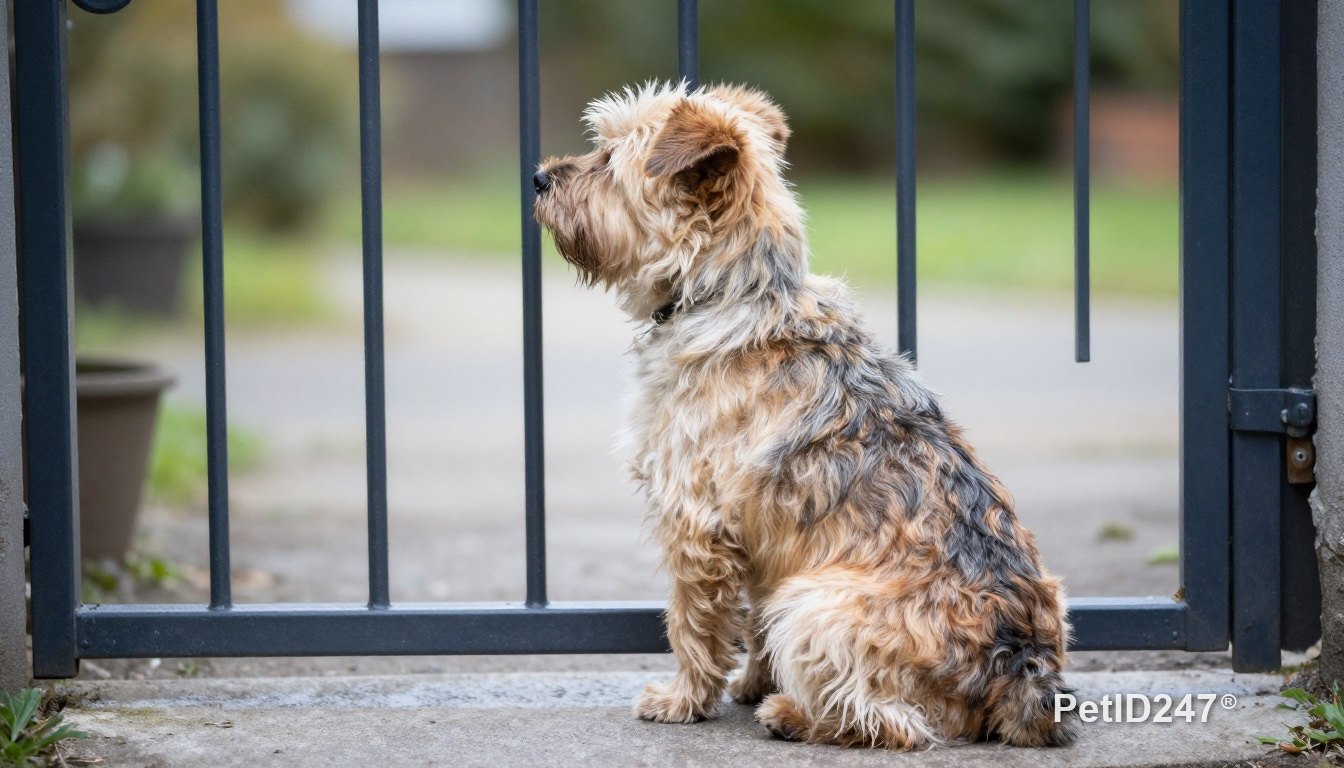
Keep searching in the days that follow
Don't give up after one day. Lost dogs can travel quite far, or be taken in by someone who doesn't know whom to contact.
- Search early in the morning and in the evening, when streets are quiet and dogs come out looking for food.
- Widen the search area day by day.
- Update your posts and thank helpers so the information keeps being shared.
- Be wary of people who claim to have your dog but ask for money first. Ask for a photo or meet in person in a public place.
When you find your dog
A frightened dog may not recognize you right away. Crouch down, turn sideways, speak softly and offer food instead of rushing in for a hug. Once home, check carefully for wounds, ticks and fleas, and keep an eye on eating and drinking. If your dog is injured, very thin or has been missing for a long time, have them checked by a vet.
Preventing your dog from getting lost
Clear identification
- Use a collar with a tag showing your phone number, and check that the tag is still readable.
- Consider a microchip and always update your phone number when it changes. A chip can't fall off like a collar can (see our article on microchipping your dog).
- Keep a few clear, recent photos of your dog on your phone.
Home and habits
- Check fences, gaps under gates and holes your dog could squeeze through.
- Remind family members, guests and workers to close gates carefully.
- Always use a leash outdoors, and check that clips work and the collar isn't too loose.
- Teach your dog a recall cue and to wait at doors, using rewards.
- Keep your dog indoors with windows closed during fireworks, thunderstorms or other loud events.
- Neutering or spaying reduces the urge to roam in search of a mate; discuss it with your veterinarian.
Summary
If your dog goes missing, search thoroughly near home, split up the search, call calmly and leave familiar scents at your door. Spread the word through notices, neighbors, local groups, clinics and rescue groups, and keep searching for several days. The best approach is still prevention: ID tags, a microchip, secure fencing and the habit of always using a leash.
This article was prepared with the help of artificial intelligence tools and reviewed by the PetID247 editorial team before publication. It is for reference only and does not replace an examination by a veterinarian.