Human Foods That Are Toxic to Dogs
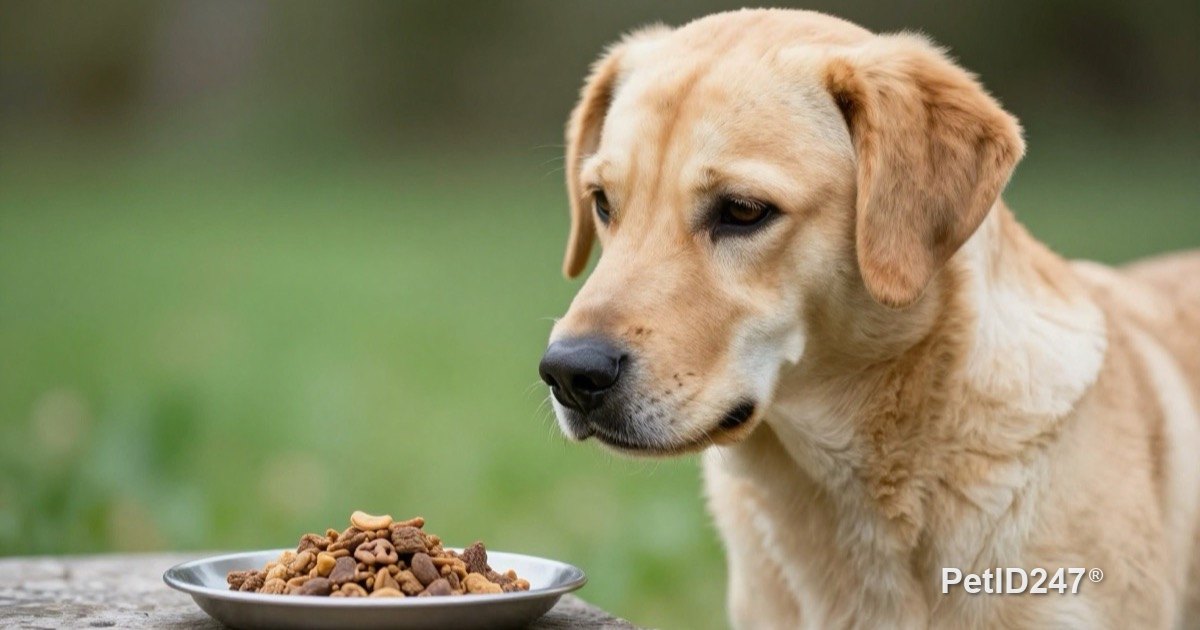
AI-generated illustration
Chocolate, grapes, onions, garlic and sugar-free gum can seriously poison dogs. Learn which foods to avoid and what to do if your dog eats one.
Many everyday foods from the family table can poison dogs, sometimes in very small amounts. Dogs are expert beggars, and young children often share their food without thinking. Knowing exactly which foods are dangerous is the best way to prevent accidents.
The most dangerous foods
These foods can cause severe poisoning and can even be fatal. Keep them well out of your dog's reach.
- Chocolate and cocoa: contain theobromine and caffeine, which dogs eliminate very slowly. The darker and more bitter the chocolate, the more toxic it is. Signs include vomiting, diarrhea, restlessness, a racing heart, tremors and seizures.
- Grapes and raisins: can cause acute kidney failure in dogs. Sensitivity varies enormously between individual dogs, so no amount is considered safe.
- Onions, garlic, chives, leeks and shallots: whether raw, cooked or powdered, they can destroy red blood cells and cause anemia. Signs may only appear after a few days, so they are easy to miss. Watch out for ready-made dishes, broths and meat porridges made for people, which often contain onion or garlic.
- Xylitol: a sweetener found in some sugar-free gums, candies, diet baked goods and human toothpaste. Xylitol can make a dog's blood sugar drop very quickly and can damage the liver.
- Beer, wine and other alcoholic drinks: dogs are very sensitive to alcohol. Even raw, rising bread dough produces alcohol in the stomach.
- Coffee, tea and energy drinks: contain caffeine, which overstimulates the heart and nervous system.
- Macadamia nuts: can cause weak legs, tremors, vomiting and fever.
Harmful foods that are often overlooked
Cooked bones
Cooked chicken bones, fish bones and other cooked bones splinter easily into sharp pieces. They can break teeth, lodge in the throat, or puncture or block the intestines. Don't give your dog leftover bones after a meal.
Fatty and salty foods
Chicken skin, meat fat, fried food and bar snacks can trigger pancreatitis, a condition that causes severe abdominal pain and heavy vomiting. Very salty foods such as dried squid, sausages and human snacks are also bad for dogs.
Raw dough
Yeast dough keeps rising in a warm stomach, causing bloating and producing alcohol. Keep rising dough where your dog can't reach it.
Pits, seeds and fruit peels
Avocado pits, mango seeds, peach pits and corn cobs can cause intestinal blockages in dogs. Put kitchen waste in a bin with a lid.

How to prevent accidents at home
Most poisonings happen through carelessness. A few small habits greatly reduce the risk:
- Tell everyone in the household, especially children and visitors, not to feed the dog human food on their own.
- Keep chocolate, sweets, raisins and nuts in closed cupboards, not on low tables.
- Use a bin with a secure lid, placed where your dog can't knock it over.
- Don't leave handbags or backpacks containing gum or medicines on the floor.
- If you want to give human food as a treat, choose simple, cooked, unseasoned food and ask your veterinarian first.
- Human medicines are a common cause of poisoning. Never give your dog human medicine on your own.
What to do if your dog eats something toxic
- Stay calm and put the rest away so your dog can't eat any more.
- Write down the details: what your dog ate, roughly how much, and when. Keep the packaging or take a photo of the label if there is one.
- Call your veterinarian immediately, even if your dog seems fine. For many toxins, treatment in the first few hours gives far better results.
- Don't try to make your dog vomit with salt, cooking oil or home remedies. Inducing vomiting the wrong way can cause choking, salt poisoning or damage to the esophagus. Only a veterinarian should decide whether to induce vomiting.
- Don't wait for symptoms before seeking help. Poisoning from grapes, onions, garlic or xylitol can develop silently over hours to days.
When to see a vet
Take your dog to a veterinary clinic right away if you know or suspect it has eaten anything on the list above. It is especially urgent if your dog shows any of these signs:
- Repeated vomiting, diarrhea or heavy drooling.
- Trembling, staggering, seizures or drowsiness.
- Rapid breathing, a racing heart or unusual restlessness.
- Pale or yellow gums, dark urine, or passing much less urine.
- A swollen belly, or retching without bringing anything up.
Bring the packaging or a sample of what your dog ate so your veterinarian can assess the situation faster. With poisoning, getting there early is always better than getting there late.
This article was prepared with the help of artificial intelligence tools and reviewed by the PetID247 editorial team before publication. It is for reference only and does not replace an examination by a veterinarian.