How to Trim Your Dog's Nails Without Bleeding
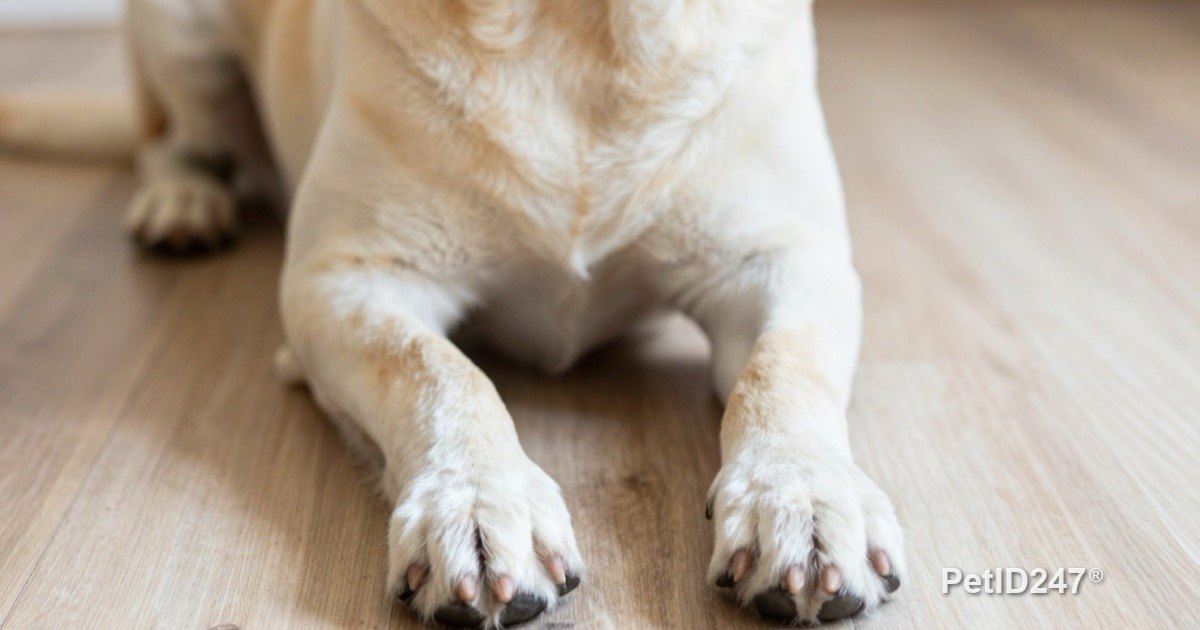
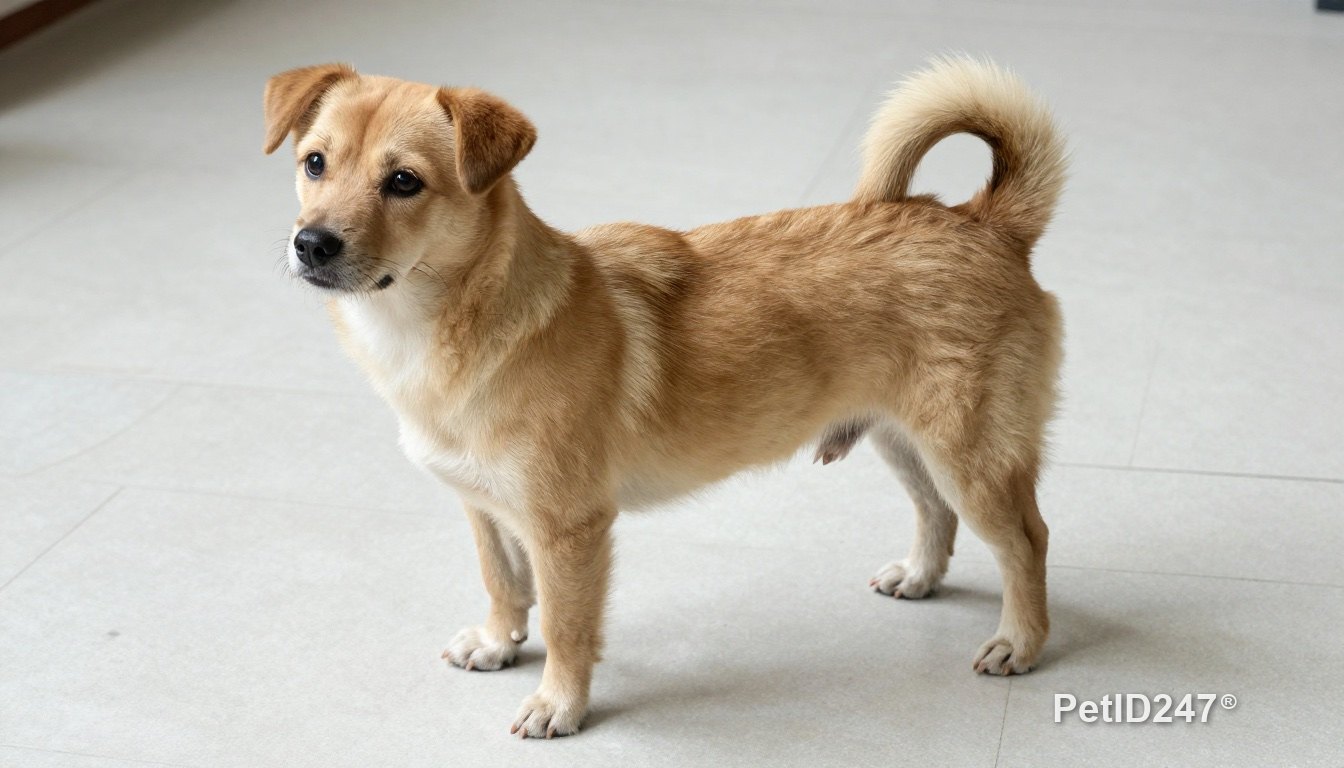
AI-generated illustration
Trimming your dog's nails is easy once you know how to avoid the quick and help your dog get used to it. Tools, step-by-step trimming and what to do if a nail bleeds.
Many owners avoid trimming their dog's nails for fear of cutting into the living part of the nail, hurting the dog and causing bleeding. But nails that grow too long push the paw out of position, break easily and can lead to joint pain over time. Once you understand how a nail is built and trim a little at a time, you can do it yourself at home.
Why trim, and how often
Dogs that walk a lot on hard surfaces wear their nails down to some extent, but dogs living indoors on tile or carpet usually need regular trims. Overgrown nails cause several problems:
- The paw is pushed out of alignment, so the dog walks unsteadily and slips more on smooth floors.
- Nails snag on carpet or fabric and then break, tear and bleed.
- Dewclaws on the inside of the leg never touch the ground and can curl into the skin.
- Over time, toe joints and posture can be affected.
An easy sign is when your dog stands on a hard floor and the nails touch the ground, or you hear them clicking as it walks. That is when a trim is due. For many dogs, trimming every few weeks works well as a guide, depending on how fast the nails grow and how active the dog is.
Understanding the nail: the quick
Inside each nail is the quick, which contains blood vessels and nerves. Cutting into it causes bleeding and pain, which is why many dogs become afraid of nail trims after one bad cut.
- White or clear nails: you can see the pink quick inside. Cut well away from the pink part.
- Black nails: the quick is not visible. Trim thin slices. Look at the cut surface: when a dark, slightly moist dot appears in the center, you are close to the quick and should stop.
When nails are left long for a long time, the quick grows longer too. Regular short trims help it recede gradually.
Step-by-step safe nail trimming
Tools
- Dog nail clippers or scissors, sized for your dog, with sharp blades.
- A nail file or a pet nail grinder.
- Styptic powder for pets, or clean cornstarch or flour as a backup.
- Small treats and a well-lit spot.
How to do it
- Get your dog comfortable: a small dog can sit on your lap, a large dog can lie on its side. Ask someone to hold gently if needed.
- Hold the paw firmly and press lightly on the toe pad to extend the nail.
- Trim thin slices from the tip, at a slight angle, roughly parallel to the floor when the dog stands. Don't take one deep cut.
- Check the cut surface after each slice and stop when you see signs of the quick.
- Don't forget the dewclaws on the inside of the legs if your dog has them.
- File the edges lightly so they are smooth and won't scratch.
- Praise and reward after each nail or each paw.
There is no need to do all four paws at once. For a nervous dog, one or two nails a day is fine.
If a nail bleeds
- Stay calm. Your dog will panic more if you do.
- Apply or press styptic powder onto the nail tip and hold for a few minutes.
- If you don't have styptic powder, dip the nail tip into clean cornstarch or flour, or press firmly with clean gauze.
- Keep your dog resting quietly for a while, without running or jumping, so the bleeding doesn't start again.
- Next time, trim less and give plenty of treats to replace the bad memory.
Helping your dog get used to nail trims
- Start when your dog is young: practice holding paws and touching nails, then reward.
- Let your dog sniff and hear the tools before you actually cut.
- Choose a time when your dog is tired and relaxed, such as after a walk.
- If your dog struggles, bites or is very frightened, stop. Ask a veterinarian or an experienced pet groomer to trim and show you how.
When to see a vet
Take your dog to the vet if:
- A nail keeps bleeding after you have applied pressure for a few minutes.
- A nail is broken, deeply split, torn from its base or the quick is exposed.
- A nail has curled around and grown into the paw pad.
- A toe is red and swollen, has pus or a bad smell, or your dog is limping or licking the paw constantly.
- Nails change color, become misshapen, or are unusually brittle and break easily.
This article was prepared with the help of artificial intelligence tools and reviewed by the PetID247 editorial team before publication. It is for reference only and does not replace an examination by a veterinarian.