
How to Teach Your Parrot to Talk, Patiently
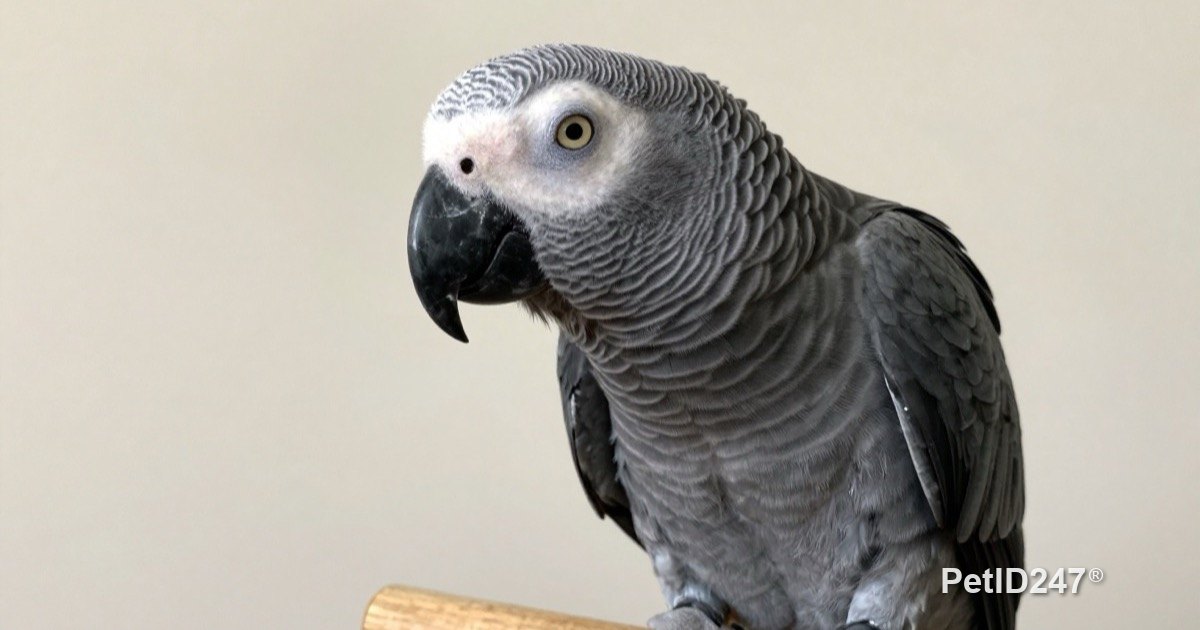
AI-generated illustration
Not every parrot talks, but many can learn words and sounds with the right approach. How to choose words, repeat them in context and reward every effort.
Hearing your parrot call your name is one of the great joys of keeping one. But parrots mimic human speech because they want to communicate with their "flock," which means you. A parrot that trusts you, lives in a happy environment and is taught patiently is far more likely to learn than one that is pushed.
What to know before you start
- Nothing is guaranteed: talking ability varies a great deal between species and individuals. Some learn many words, others only whistle or mimic phone rings and door sounds. Some never talk at all but are still wonderful companions.
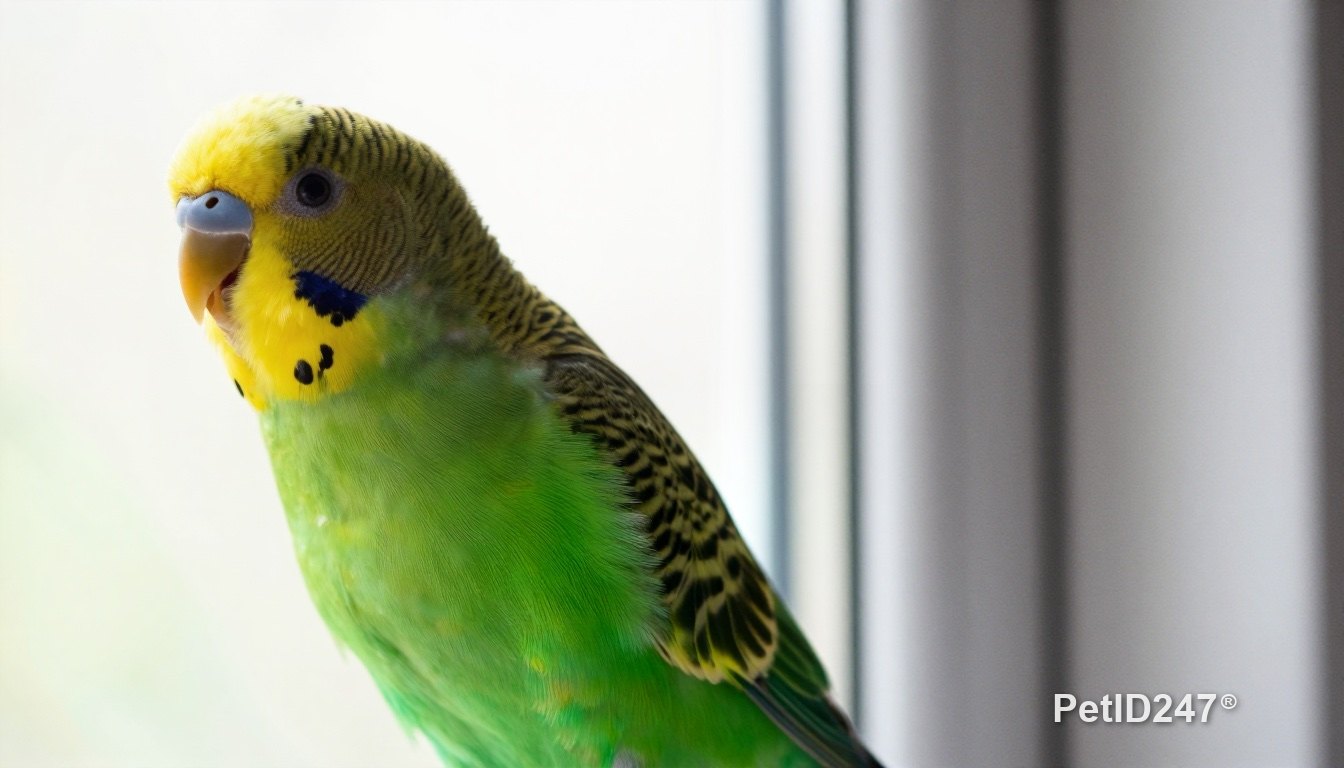
- Some species are well known as good mimics, such as African grey parrots, Amazon parrots, budgerigars (usually males) and cockatiels. Even so, every bird is different.
- Young parrots often learn more easily, but adults can still pick up new words.
- Your parrot must be healthy and feel safe first. A newly arrived, frightened or sick bird won't learn.
- Buy parrots only from legal sources, with paperwork for protected species. Never buy wild-caught parrots.
Teaching step by step
- Build a bond first: spend time sitting nearby and talking gently every day. A parrot that is close to you will want to copy you.
- Choose short, clear, expressive words: your bird's name, "hello," "good bird." Words with clear sounds, said in a happy voice, are usually easier to learn.
- Link words to context: say "good morning" every time you open the curtains in the morning, "food time" when you put the bowl down, "bye-bye" when you leave the room. Parrots learn faster when words go with events.
- Repeat regularly in short sessions: a few minutes, a few times a day, when your parrot is alert and attentive, usually morning and early evening.
- Teach one word at a time: add a new word only after your parrot says the current one.
- Praise immediately: when your parrot makes a sound close to the word, respond happily, repeat the word, and reward with a small favorite treat or your attention.
Things that help parrots learn faster
- A quiet setting for lessons: turn off the TV and reduce noise so your parrot can hear you clearly.
- The whole family uses the same words for the same thing, rather than everyone saying it differently.
- Talk to your parrot during daily life: describe what you're doing. Parrots absorb language from what they hear often.
- Recordings are only a supplement and can't replace talking directly. Parrots learn best through interaction.
- Patience: some birds take weeks, others months, to say their first word. Early attempts are often mumbled and unclear.
Things to avoid
- Don't scold or punish a parrot for not talking. Stress makes parrots withdraw and can lead to feather plucking. See our article on feather plucking in parrots.
- Don't teach words you don't want to hear for decades. Parrots can live a very long time and remember swear words, phone rings and alarms.
- Watch how you react to screaming: if you rush over every time your parrot screams, it learns that screaming is how to call you.
- Don't cover the cage or isolate your parrot for long periods hoping it will "focus" on recordings. This causes stress.
- Never cut or interfere with the tongue to make a parrot "able to talk." This is a myth, causes pain and doesn't work.
Summary
- Parrots learn to talk when they are healthy, trust you and are taught in a cheerful atmosphere.
- Choose short, clear words linked to context, repeat them for a few minutes daily and praise every attempt right away.
- Not every parrot talks. Whistling and mimicking sounds are also ways parrots communicate.
- Avoid scolding, avoid teaching unwanted words and don't reward screaming.
- If your parrot suddenly goes quiet, fluffs up, stops eating or its voice changes, take it to an avian veterinarian for a checkup.
This article was prepared with the help of artificial intelligence tools and reviewed by the PetID247 editorial team before publication. It is for reference only and does not replace an examination by a veterinarian. How we write our articles
Share:f Facebook
Related articles
💬 Comments (0)
No comments yet. Be the first!