How to Clean Your Dog's Ears Safely at Home
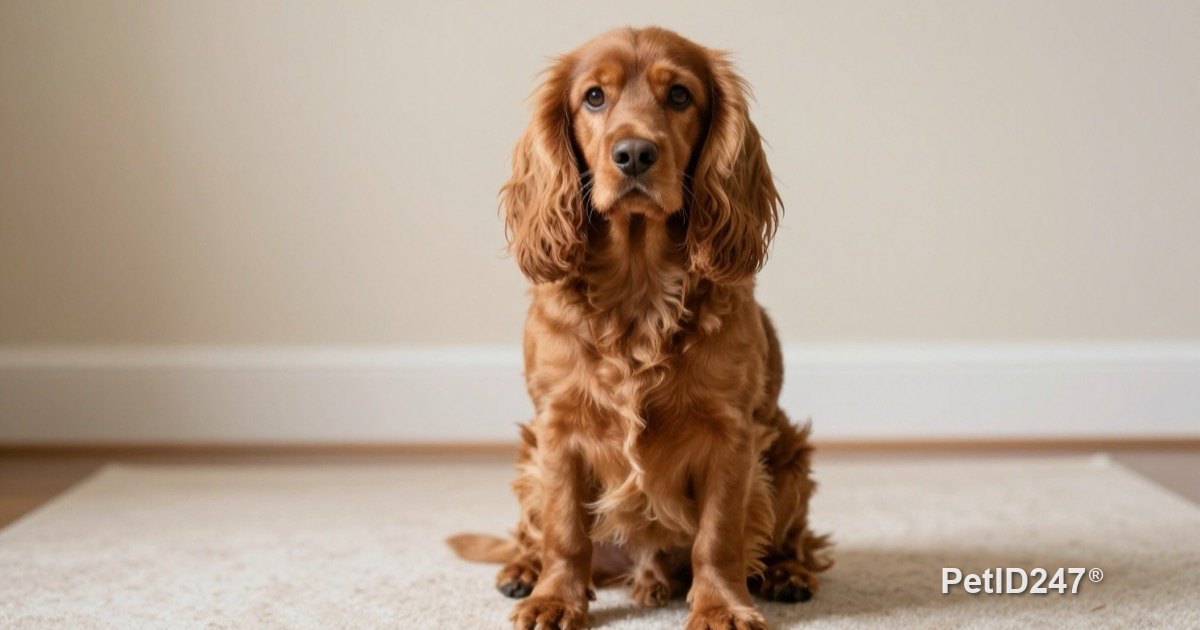
AI-generated illustration
Cleaning your dog's ears the right way helps prevent ear infections, but doing it wrong can cause harm. Step-by-step guide, sensible frequency and warning signs.
Ears are something many dog owners forget about until their dog starts shaking its head constantly and the ears smell. Cleaning the ears properly helps you spot problems early and lowers the risk of ear infections. But cleaning too often or with the wrong tools can injure the ear. This guide shows you how to do it correctly, and just enough.
Understand your dog's ear first
A dog's ear canal is not straight like ours. It runs downward and then turns inward, forming an L shape. This protects the eardrum, but it also means wax, moisture and dirt easily get trapped.
Some dogs are more prone to ear problems:
- Dogs with floppy or long ears, because the ear flap covers the canal and keeps it warm and damp.
- Dogs with a lot of hair inside the ear canal.
- Dogs that swim or bathe often, since water can stay trapped in the ear.
- Dogs with allergies, because allergies often show up in the ears.
How often to clean
Healthy ears clean themselves, so there is no need to wash them very often, and doing so can backfire. A sensible routine is:
- Check the ears every week while brushing or cuddling your dog.
- Wipe the ear flap when it looks dirty.
- Clean the ear canal when you see wax building up, after swimming or bathing, or as your veterinarian recommends for dogs prone to ear infections.
A healthy ear is pale pink and clean, with a small amount of light yellow wax and no unpleasant smell. If the ear is already red, painful or discharging, don't clean it yourself; have it checked by a vet first.
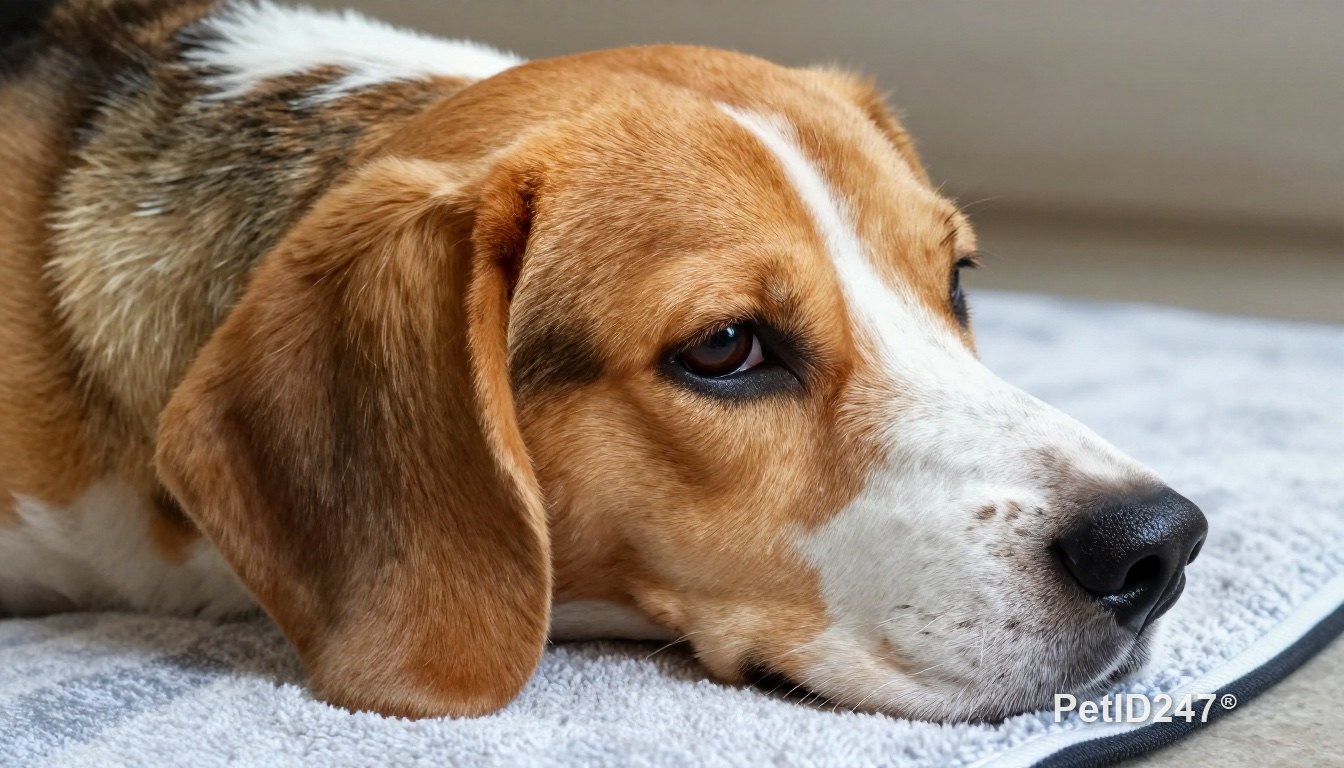
Step-by-step ear cleaning at home
What you need
- An ear-cleaning solution made for dogs. Ask your veterinarian which type suits your dog and read the product label carefully.
- Cotton pads or soft gauze.
- A towel for wiping, and for gently wrapping your dog if needed.
- Small treats for praise.
How to do it
- Pick a time when your dog is relaxed, such as after a walk. Have your dog sit or lie in a familiar, well-lit spot.
- Look first: check the skin color and the wax, and sniff for any odd smell.
- Put the solution into the ear canal as directed on the label. Don't push the bottle tip deep into the canal.
- Gently massage the base of the ear for a short while. You'll hear a squishing sound as the solution loosens the wax.
- Let your dog shake its head. This naturally pushes wax and liquid out. Stand to one side or hold up a towel.
- Wipe away the loosened wax at the opening of the canal and on the inside of the ear flap with a cotton pad. Only clean what you can see.
- Praise and reward so your dog cooperates more next time.
Common mistakes
- Digging deep with cotton swabs: this can push wax further in and may damage the ear canal or eardrum.
- Using alcohol, hydrogen peroxide, cooking oil, homemade salt water or other home remedies. These can sting, irritate or trap moisture in the ear.
- Cleaning too often, which dries out and irritates the ear.
- Plucking ear hair without guidance. Whether a dog needs ear hair removed depends on the individual, so ask your veterinarian.
- Using medicated drops on a problem ear before it has been examined. Ear medication should only be used as directed by your veterinarian.
If your dog is scared, don't force it. Build up slowly: on day one just touch the ear and reward, the next day lift the ear flap, and only then add the solution.
When to see a vet
Take your dog to the vet if you notice:
- Frequent head shaking, ear scratching or rubbing the ears on the floor.
- Red, swollen or hot ears, or your dog yelps when they are touched.
- A lot of wax, dark brown or black wax like coffee grounds, or yellow-green pus.
- A bad or sour smell from the ears.
- An ear flap that puffs up like a water balloon.
- Head tilting, stumbling, loss of balance or unusual flicking eye movements.
- Ear infections that keep coming back.
An ear infection left untreated can spread to the middle and inner ear and become harder to treat. Your veterinarian will look inside the ear and examine a wax sample to find the cause, such as yeast, bacteria or ear mites, before treating it.
This article was prepared with the help of artificial intelligence tools and reviewed by the PetID247 editorial team before publication. It is for reference only and does not replace an examination by a veterinarian.