How to Bathe Your Pet Bird Safely at Home
AI-generated illustration
Bathing keeps a pet bird's feathers clean, eases dry skin and adds fun. Learn the bathing methods, water temperature, best timing and what to avoid.
In the wild, birds bathe in puddles, in the rain or by rolling through dew-soaked leaves. Caged birds need baths too, to keep their feathers clean, prevent dry skin and reduce feather dust in the home. Done right, bathing is also a fun activity that helps keep birds from getting bored. This guide shows you how to bathe your bird safely.
Why pet birds need baths
- Clean, smooth feathers: water washes away dust and skin flakes and helps the bird preen more effectively.
- Moisturized skin: especially in air-conditioned rooms or dry seasons.
- Help during molting: water softens the sheaths around new feathers so the bird can preen them off more easily.
- Less dust at home: especially with powder-down species such as African greys and cockatoos.
- Fun: many birds love to bathe, flap and splash.
Ways to bathe a bird
Every bird has its own preferences. Try a few methods to see which one your bird enjoys.
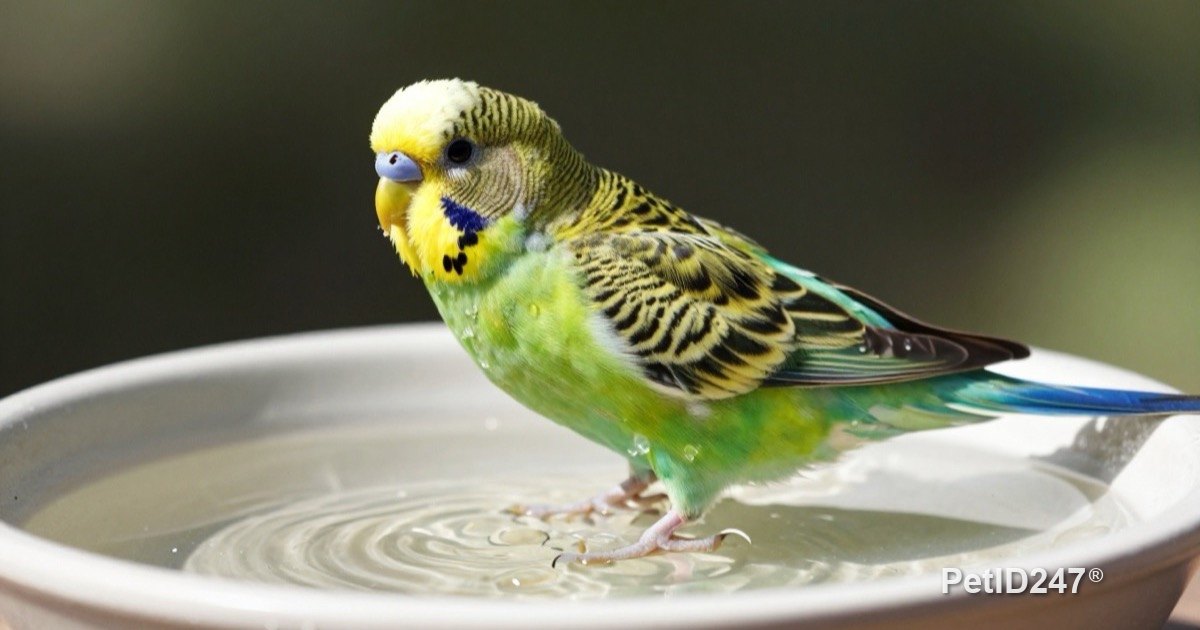
A shallow bath dish
Use a shallow bowl or tray with a non-slip bottom and only a few centimeters of water, about up to the bird's ankle joint. Hang it in the cage or place it on the floor of a play area. The bird will dip in and shake itself off. This suits small birds such as budgies, finches and canaries.
Misting
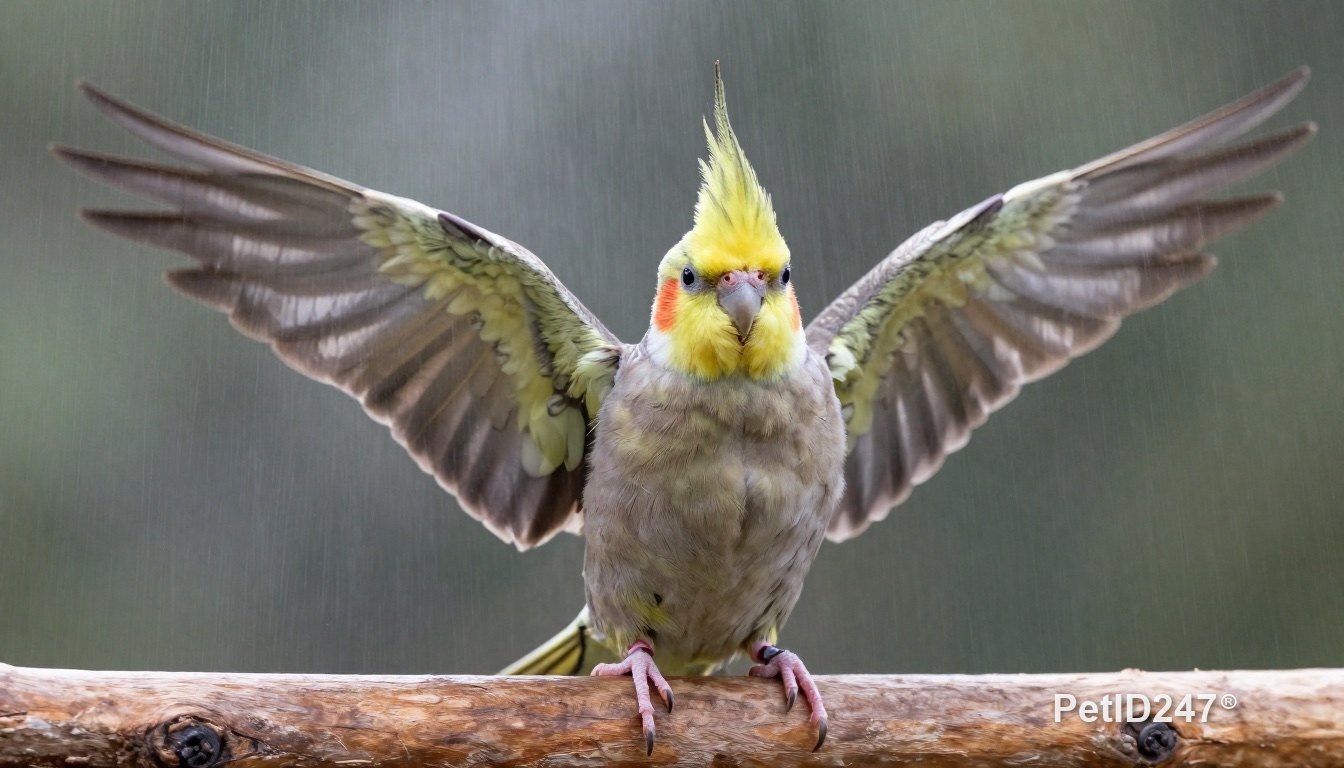
Use a brand-new spray bottle used only for your bird, never for chemicals. Fill it with clean water and set it to a fine mist. Spray upward from above so the mist falls like light rain, never straight into the bird's face. Many parrots will spread their wings and fan their tails when they enjoy it.
Rolling in wet greens
Some birds, especially budgies, love rolling in freshly washed, still-wet leafy greens such as green leaf lettuce. It's a bath and a snack in one.
Bathing with you
Larger, tame parrots can sometimes sit on a perch in the bathroom near the steam, but never let hot water pour directly onto the bird. Only do this when the bird is very comfortable with it and you can keep it safe.
Rules for safe bathing
- Clean water at room temperature or slightly warm: test it with the back of your hand; not hot, not icy.
- Bathe in the morning or around midday: so the bird has time to dry completely before evening.
- Avoid drafts after bathing: don't put the bird right in front of a fan, air conditioner or windy window.
- Let the bird dry naturally: it will shake and preen. In a warm, draft-free spot, feathers usually dry fairly quickly.
- Remove the bath water afterward: don't leave the dish in all day, as the bird may drink dirty water.
- Frequency: depends on the species and weather. Many birds are bathed a few times a week, more on hot days. Watch your bird and adjust.
Things to avoid completely
- No soap, shampoo or body wash meant for people or other animals.
- Don't use feather sprays, deodorizing sprays or essential oils on your own. If a feather-care product is needed, use it as directed by your veterinarian.
- No hair dryers. Some have non-stick coatings that can release fumes toxic to birds when hot, and they can easily burn the skin.
- Don't dunk the bird's whole body in water or force it to bathe when it is frightened.
- Don't bathe a bird that is ill, fluffed up or tired.
Helping your bird get used to bathing
If your bird is afraid of water, be patient. Start by placing a shallow dish of water near the bird without making it go in. Drop a few lettuce leaves in to spark curiosity. You can dip your fingers and gently splash so the bird can watch. For misting, start from a distance with a few short sprays. Praise the bird when it comes closer. Some birds take weeks before they'll bathe, and some prefer one method over another.
Summary
Bathing is an important activity that keeps pet birds' feathers clean, their skin healthy and their spirits up. Use clean, room-temperature water, choose a shallow dish, misting or wet greens depending on your bird's preference, bathe in the morning so it dries before night, and avoid drafts. No soap, feather sprays or hair dryers. If your bird's feathers remain ragged or greasy, have bald patches, or it stays fluffed up despite regular baths, see an avian veterinarian.
This article was prepared with the help of artificial intelligence tools and reviewed by the PetID247 editorial team before publication. It is for reference only and does not replace an examination by a veterinarian.