Foods That Are Toxic to Pet Birds
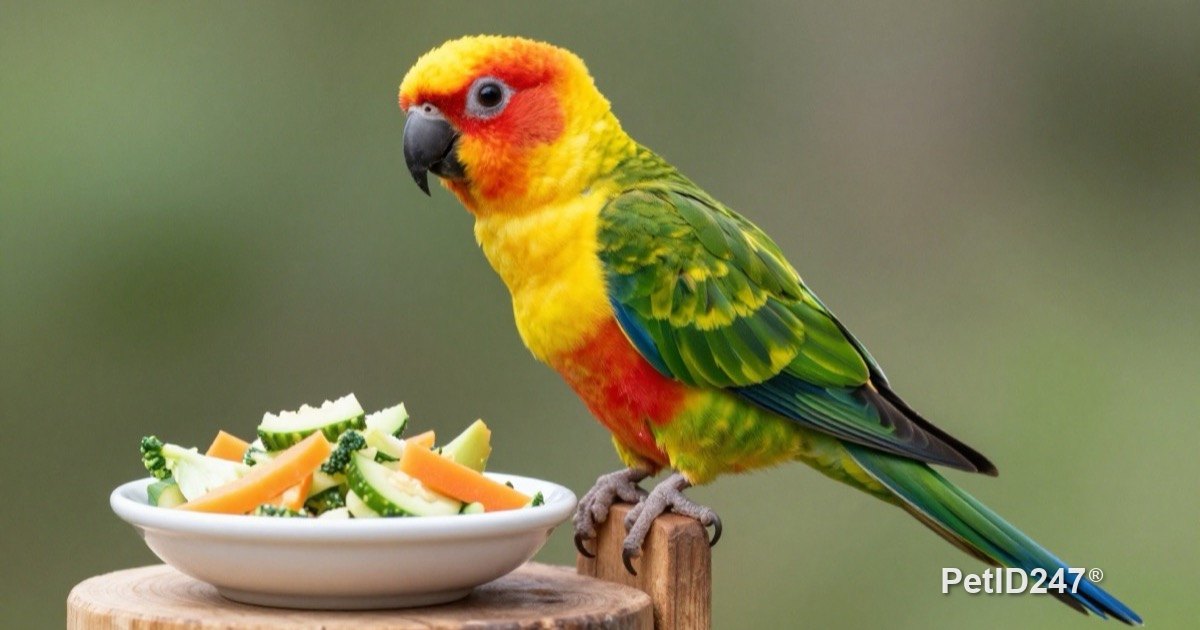
AI-generated illustration
Many everyday human foods, such as avocado, chocolate and coffee, are highly toxic to pet birds. Here is what to avoid and what to do if your bird eats something harmful.
Pet birds are curious and like to taste everything, especially when they are out of the cage or perching at the table with their owners. A bird's body is small and its metabolism fast, so even a tiny amount of a toxic substance can cause serious harm. This guide helps you know which foods to keep away from your bird.
The most dangerous toxic foods
Avocado
Avocado, including the leaves, skin and pit, contains a substance that can cause heart damage, breathing difficulty and death in many bird species. It is the food most often mentioned when talking about toxins for birds. Never give your bird avocado in any form, including dishes that contain it.
Chocolate and cocoa
Chocolate contains theobromine and caffeine, which can cause vomiting, diarrhea, tremors, a racing heart and seizures. Dark chocolate and cocoa powder are even more dangerous. Put away sweets and cocoa drinks when your bird is out of its cage.
Coffee, tea and caffeinated drinks
Coffee, tea, energy drinks and caffeinated sodas can all cause heart rhythm problems and overstimulate the nervous system in birds. Don't leave cups of coffee or tea near where your bird plays.
Alcohol
Alcoholic drinks, even in very small amounts, can cause severe poisoning in birds. Keep birds away from tables where alcohol is being served.
Other foods to avoid
- Salty food: chips, crackers and salty snacks can upset electrolyte balance, cause excessive thirst and damage the kidneys.
- Onion, garlic and chives: raw, cooked or powdered, they can harm the blood and digestion.
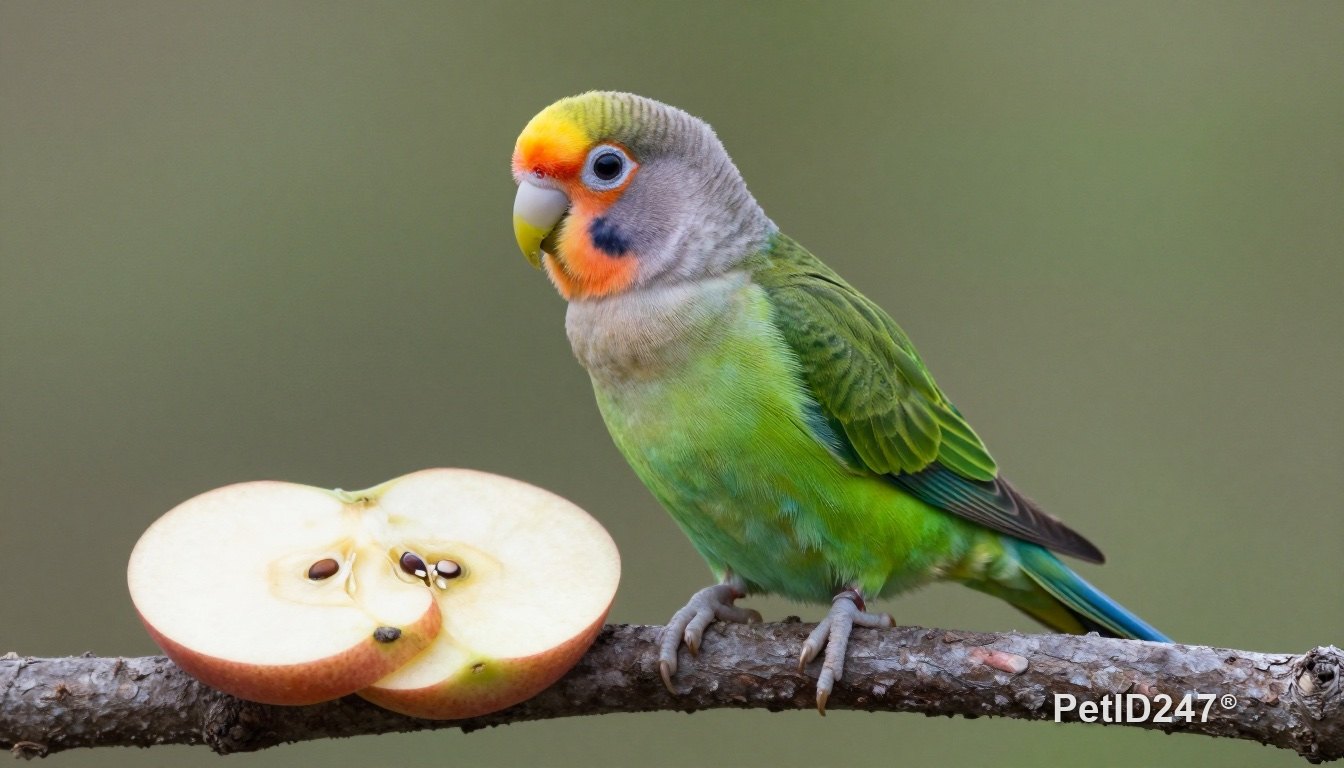
- Seeds and pits of some fruits: apple seeds and the pits of apricots, peaches, plums and cherries. The fruit flesh is usually fine once the seeds are fully removed.
- Raw or dried, uncooked beans: contain harmful substances. Only give beans that are thoroughly cooked and unseasoned.
- Moldy food: damp, moldy seeds, peanuts or grains can contain mold toxins that are very dangerous to the liver.
- Greasy, fried and sugary foods: not immediately toxic, but they easily lead to obesity and liver disease over time.
- Large amounts of milk and dairy: birds don't digest milk sugar well.
- Leaves and stems of tomato and potato plants: contain toxins, unlike ripe tomato fruit.
Preventing accidental poisoning
- Don't share human food with your bird, even if it begs. Prepare safe treats of its own, such as vegetables and seedless fruit.
- Don't let your bird perch on the dining table or kitchen counter while food and drinks are out.
- Clean up dropped food before letting your bird out of the cage.
- Tell family members and guests not to feed your bird their food.
- Check the ingredients before offering any processed food.
- Store seed properly: in sealed containers in a cool, dry place to prevent mold.
Beyond food, many household items are also toxic to birds, such as houseplants, heavy metals in poor-quality toys and fumes from overheated non-stick pans. See our article on pet birds and kitchen fumes to learn how to prevent those risks.
Safe treats to offer instead
Birds love eating alongside their owners, so instead of sharing human food, keep a small plate of safe foods ready so your bird can "join" family meals. Common options include:
- Washed leafy greens, dark green leaf lettuce and broccoli.
- Vegetables such as carrot, steamed pumpkin and bell pepper.
- Seedless fruit such as apple, pear, papaya and watermelon, in small amounts.
- Plain cooked grains with no salt or sugar, such as white rice or plain boiled pasta.
Each bird species has different needs. When introducing a new food, offer a small amount and watch the droppings; if you are unsure, ask an avian veterinarian.
When to see a vet
If you know or suspect your bird has eaten something toxic, don't wait for symptoms. Contact an avian veterinarian right away and tell them what your bird ate, roughly how much and when. Bring the food or packaging if you have it. Don't try to make your bird vomit or give it any medicine yourself.
Signs of poisoning that need emergency care:
- Vomiting, regurgitating or drooling.
- Diarrhea or droppings with an unusual color.
- Trembling, loss of balance, unsteadiness or falling off the perch.
- Difficulty breathing, open-mouth breathing or strong tail bobbing.
- Weakness, fluffed-up feathers or sitting on the cage floor.
- Seizures.
With birds, time is critical. The sooner you act, the better the chance of recovery.
This article was prepared with the help of artificial intelligence tools and reviewed by the PetID247 editorial team before publication. It is for reference only and does not replace an examination by a veterinarian.