Dogs Scared of Fireworks and Thunder: Calming Tips
AI-generated illustration
Many dogs shake, hide under the bed or try to bolt during fireworks and storms. Learn how to prepare, comfort your dog and help it get used to loud noises.
Storm season and festive nights with fireworks are a hard time for many dogs. They tremble, pant, squeeze under the bed or try everything to get outside. This fear is real and shouldn't be brushed aside, but there is a lot you can do to help your dog cope.
Recognizing a frightened dog
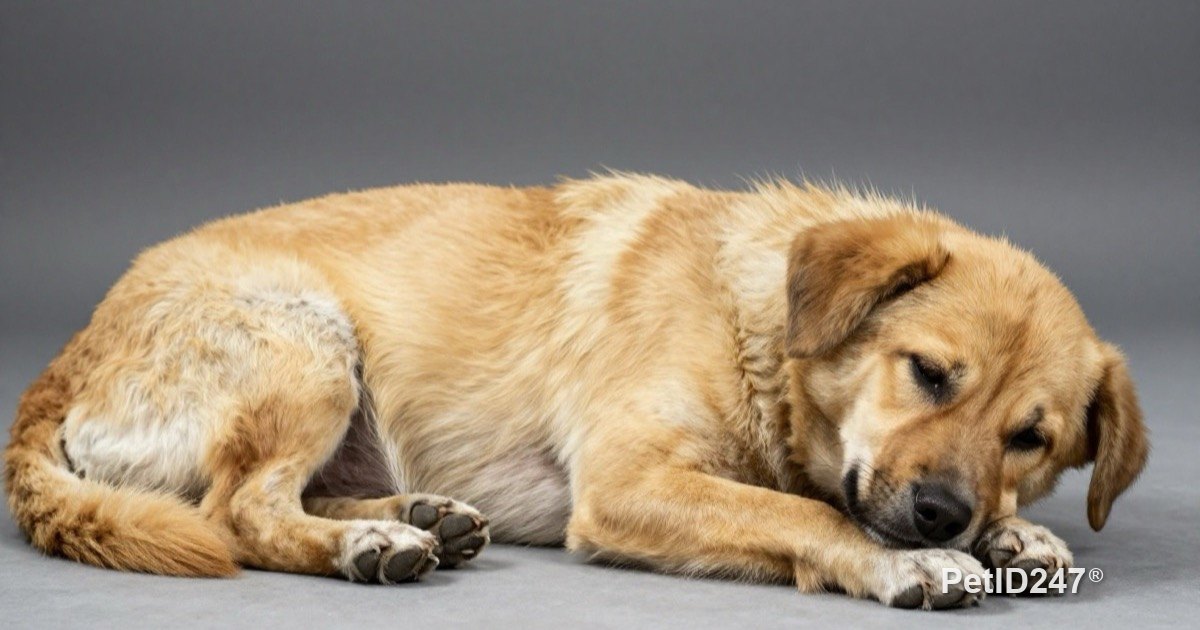
Dogs hear far better than people. A sudden bang from an unknown direction makes a dog feel threatened. Some dogs are also sensitive to the changes before a storm, such as wind, air pressure or the smell of rain, so they become anxious before the first thunderclap. Common signs include:
- Trembling, tail tucked, ears pinned back.
- Panting and drooling even when it isn't hot.
- Pacing, refusing to settle, whining or barking.
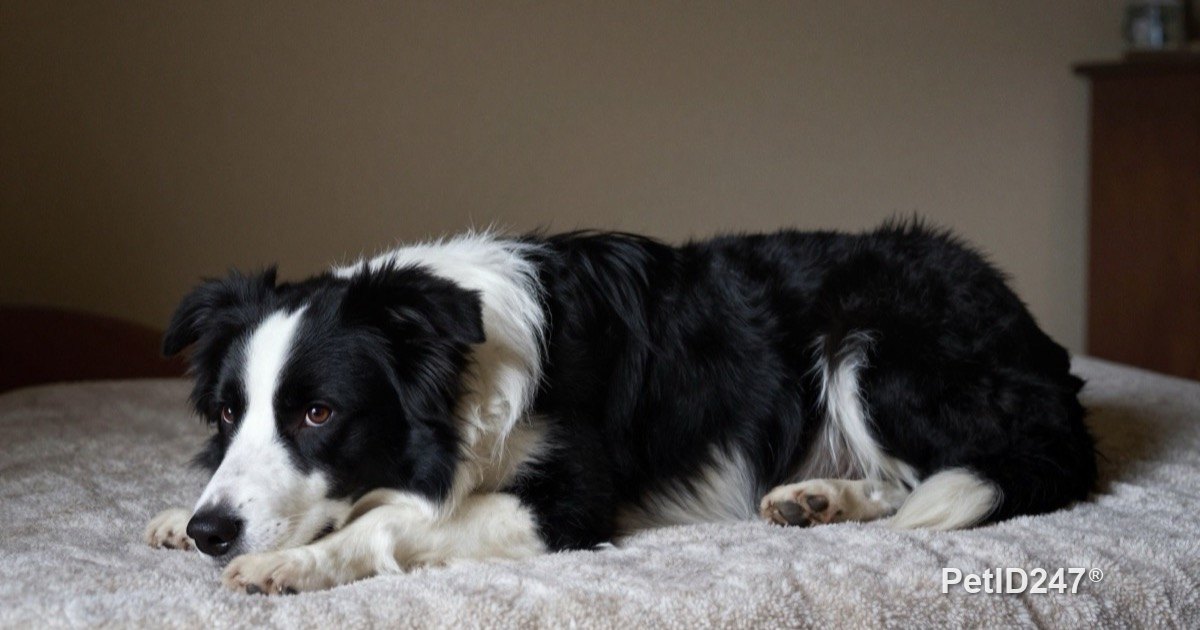
- Hiding in dark corners, under the bed or in the bathroom.
- Clinging to the owner or, the opposite, not wanting to be touched.
- Scratching at doors, chewing, trying to escape.
- Soiling indoors even though the dog is house-trained.
Every dog reacts differently. Some are only a little restless; others panic so badly that they injure themselves.
Prepare before noisy days
When you know fireworks are coming or a storm is building, prepare ahead:
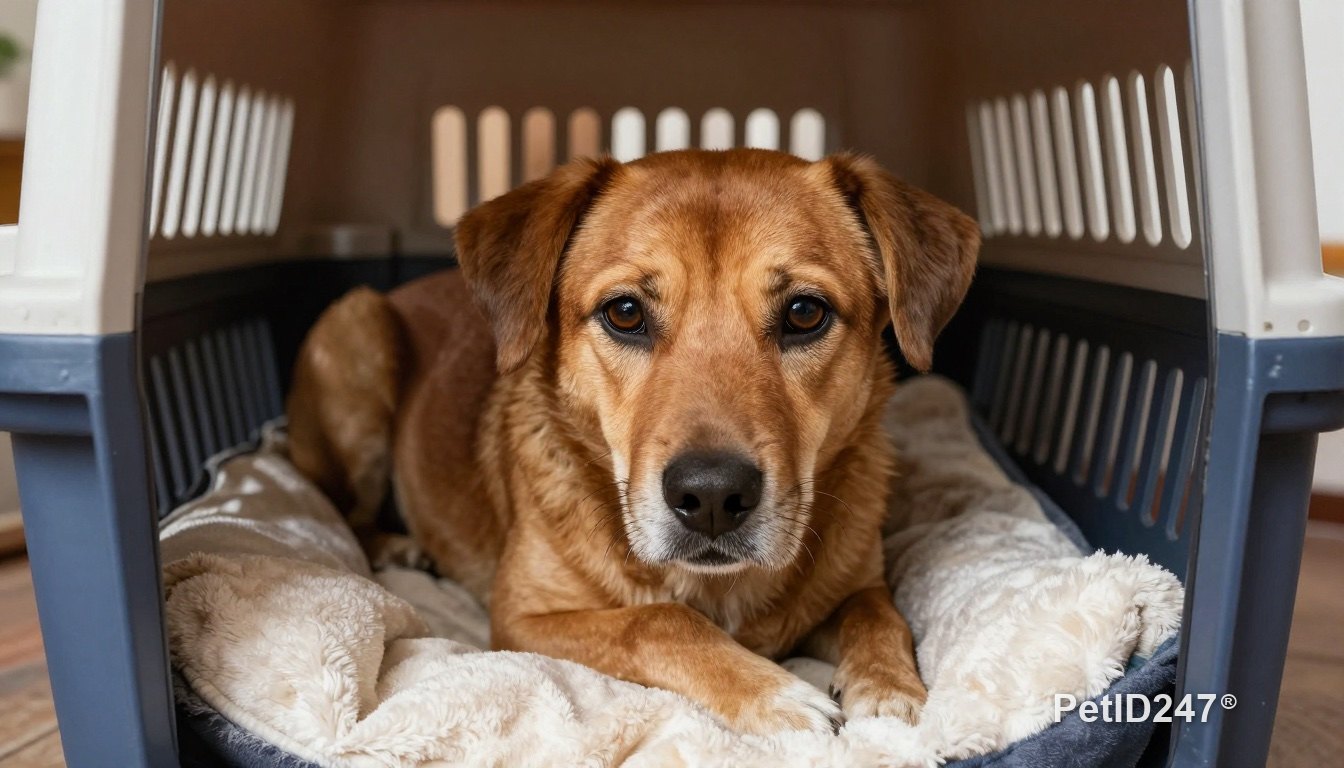
- Create a safe den: choose a room in the middle of the house with few windows. Add a familiar bed and blankets; you can drape a blanket over a crate to make it feel like a den. Let your dog go in by itself; don't force it.
- Walk and toilet early: before dark or before the fireworks start, so your dog doesn't need to go out during the noise.
- Feed a little earlier: frightened dogs often refuse food.
- Close windows and draw curtains: to reduce noise and flashes.
- Add background sound: a TV, fan or soft music at a moderate volume helps mask the bangs.
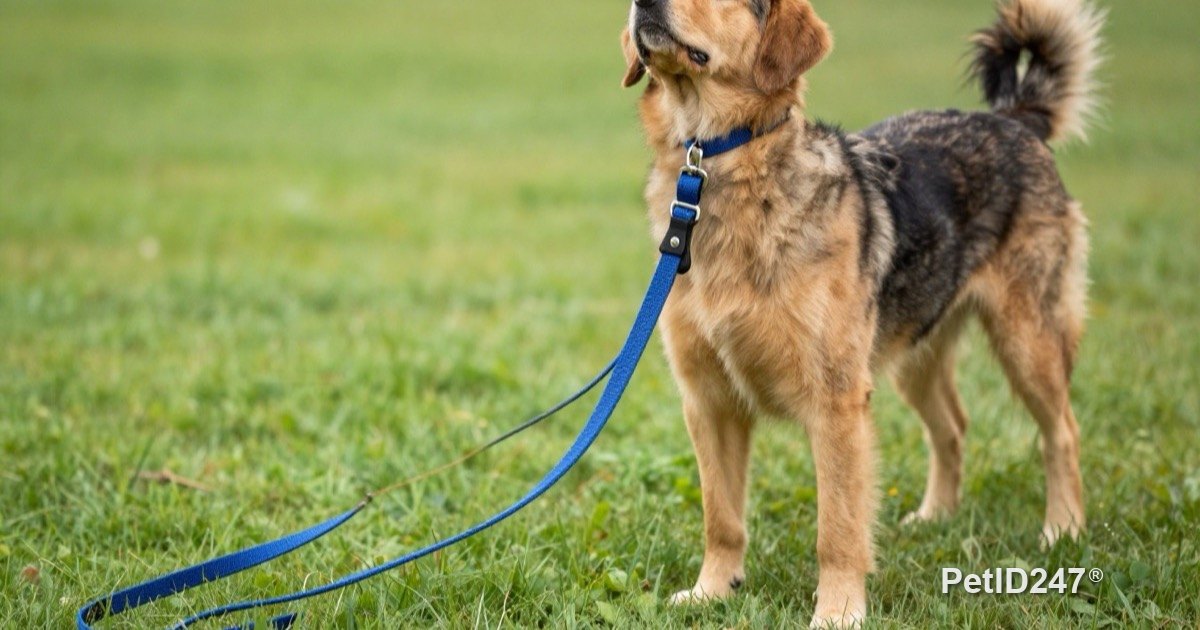
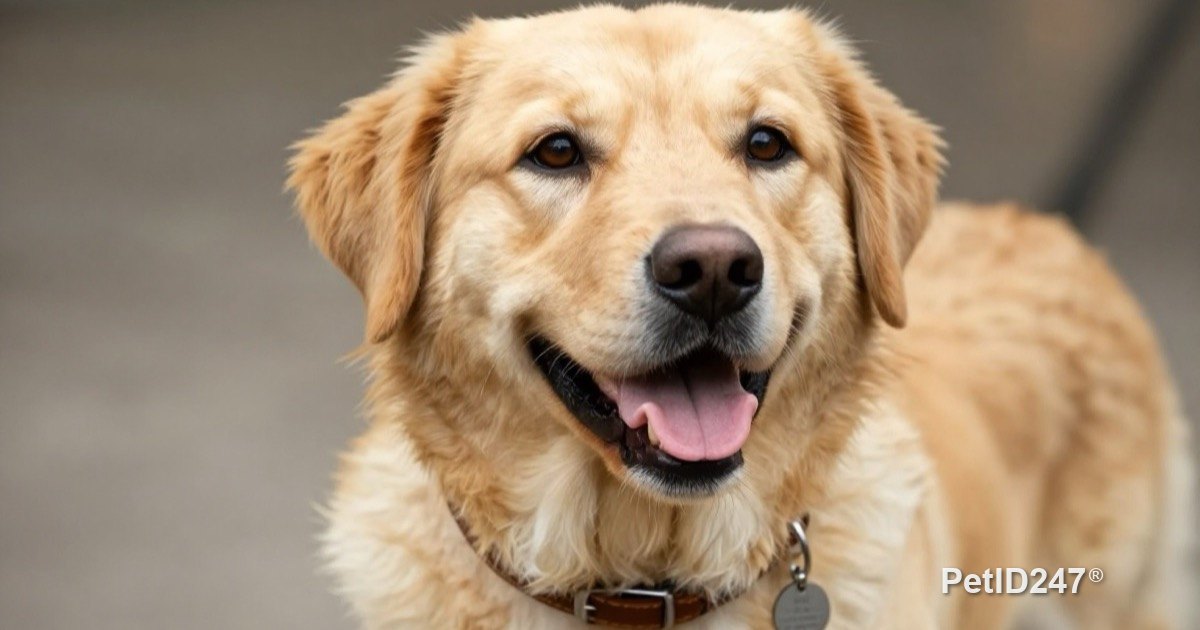
- Check doors, gates and balconies: a panicking dog may jump a fence or slip through a gap. Make sure your dog wears a collar with your contact details in case it gets lost.
During fireworks or thunder
Many people worry that comforting a scared dog will "spoil" it. In reality, comforting a frightened dog does not make its fear worse. What matters is that you stay calm, because dogs pick up on their owner's emotions.
- Stay close, speak softly and stroke your dog slowly if it wants that.
- If your dog wants to hide in a corner, let it. Don't drag it out.
- Offer a food-stuffed toy or a chew so your dog has something else to focus on.
- Don't scold or punish accidents or chewing caused by fear.
- Don't walk your dog where fireworks are going off, and don't leave it tied up alone outside.
Some dogs feel better wearing a snug-fitting wrap or vest. You can try one, but let your dog get used to it on ordinary days first.
Helping your dog get used to noise
In the long run, the most effective approach is to change how your dog feels about the sounds. It has two parts: gradual exposure and pairing the sound with something pleasant.
- Find recordings of thunder and fireworks. Play them very quietly, so your dog can hear them but shows no sign of worry.
- While the sound plays, give your dog a favorite treat or play a game it loves. When the sound stops, the rewards stop.
- Keep each session to a few minutes. After many days, if your dog stays relaxed, raise the volume slightly.
- If your dog starts trembling or runs off, go back to a lower volume and slow down.
Practice during quiet months, not right before storm season or a holiday. Puppies that are gently introduced to many different sounds early on are often less fearful as adults.
When to see a vet
Talk to your veterinarian if your dog is so frightened that it injures itself, breaks through doors, stops eating or drinking, or stays panicked long after the noise has ended. A noise phobia that appears suddenly in an older dog also needs a check-up, because pain or illness can make a dog more sensitive. In severe cases, your veterinarian may combine training with supportive medication. Never give your dog human sedatives or sleeping pills; any medicine should only be used as directed by your veterinarian.
This article was prepared with the help of artificial intelligence tools and reviewed by the PetID247 editorial team before publication. It is for reference only and does not replace an examination by a veterinarian.