Dogs and Young Children: Keeping Everyone Safe
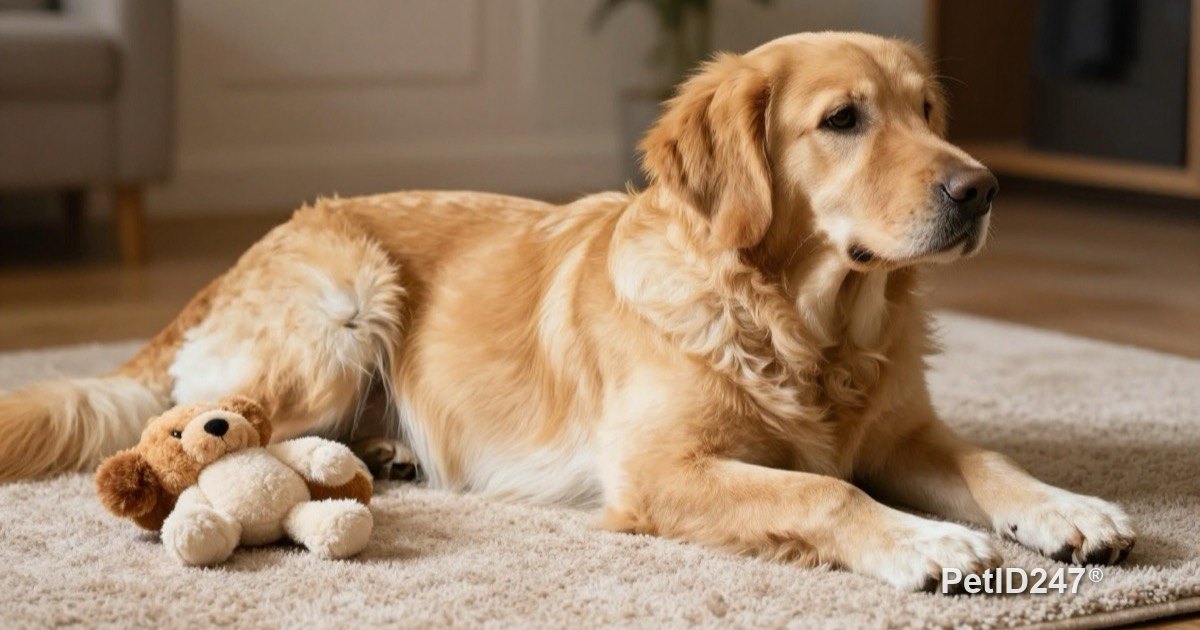
AI-generated illustration
Young children and dogs can be best friends when adults set clear rules and always supervise. Learn how to keep both your child and your dog safe at home.
Growing up with a dog helps children learn love and responsibility. But young children don't understand dog body language, and dogs don't understand why their ears are being pulled or why they're being squeezed. Most dog bites to children happen at home, from a dog the child knows. The good news is that most can be prevented with careful preparation and proper supervision.
Choose and prepare your dog first
If you are about to get a dog
- Look for a calm, friendly dog that tolerates noise and being touched. Ask the seller or rescue group whether the dog has lived with children.
- Puppies are adorable but mouthy and need lots of training time. An adult dog with a known temperament may suit a busy family with young children better.
- Consider size: a very large, boisterous dog can knock a child over by accident, while a very small dog is easily hurt by a child.
If you already have a dog and a baby is on the way
- Start changing your dog's routine a few months ahead so it doesn't link the changes with the baby.
- Gradually get your dog used to the sound of a crying baby, the smell of baby powder, the stroller and the crib.
- Teach basic cues such as sit, down, wait and go to your bed.
- Take your dog for a checkup and keep vaccinations, deworming and tick prevention up to date as advised by your veterinarian.
Set up a safe home
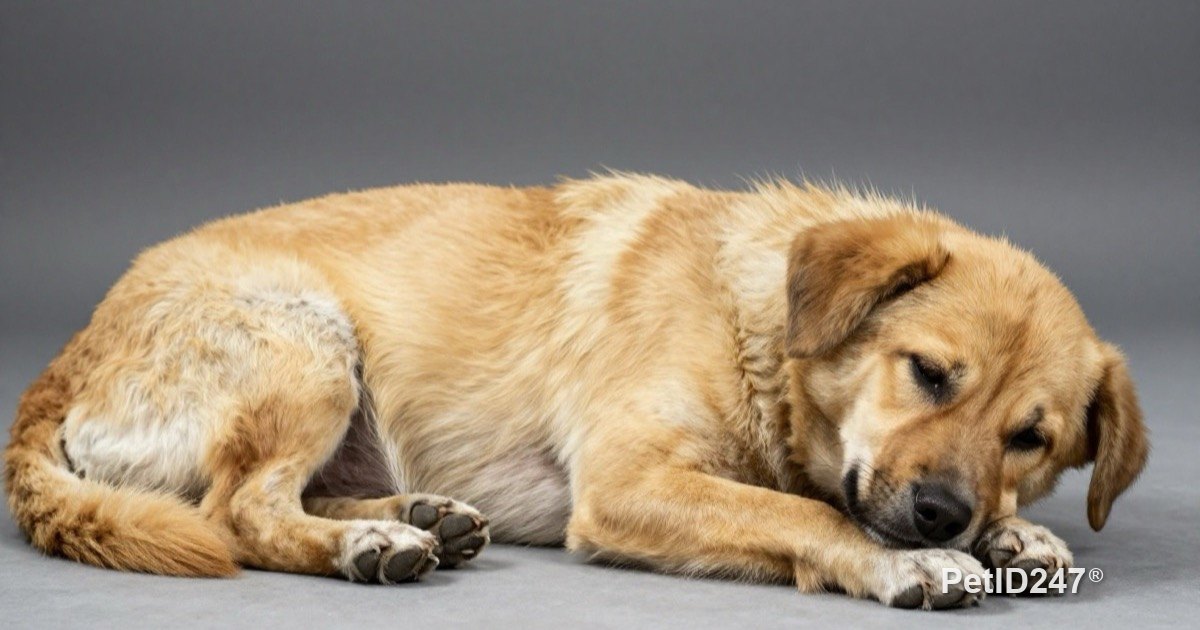
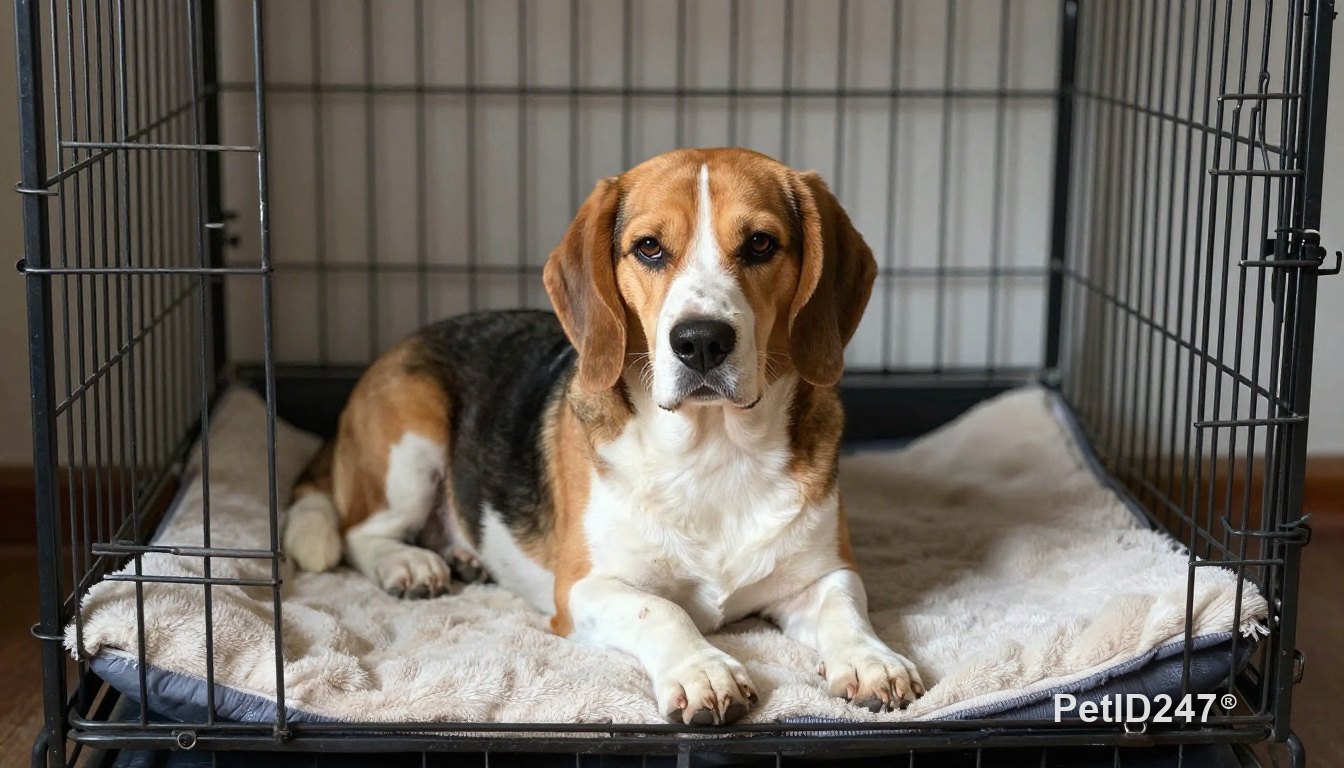
- A private space for the dog: a bed or open crate the child is not allowed into. It's where your dog rests when tired, and children must learn that “when the dog is in its house, leave it alone.”
- Gates and doors: use baby gates to separate dog and child when no adult is watching.
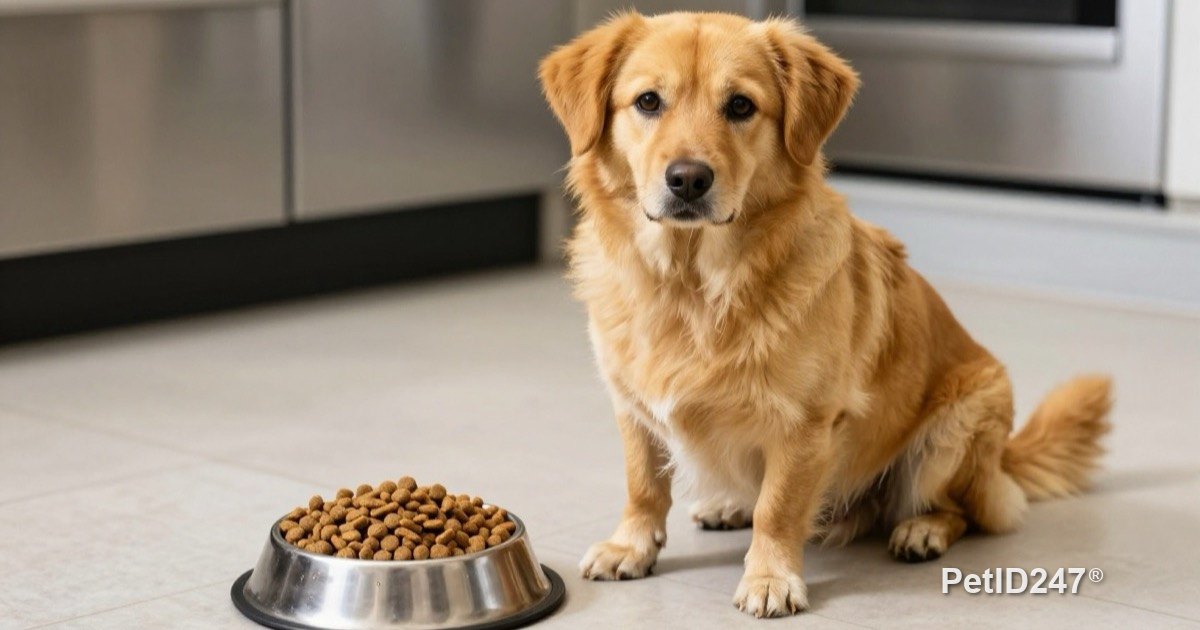
- A separate feeding area: feed your dog where the child doesn't go, and put the bowl away after meals.
- Separate toys: keep children's toys and dog chews apart to avoid squabbles.
- Hygiene: pick up dog poop promptly, wash your child's hands after playing with the dog, and keep children out of the dog's toilet area.
Always have an adult supervising
The most important rule: never leave a young child alone with a dog, no matter how gentle the dog is. Supervising means an adult is right there, watching and ready to step in, not in another room or busy on a phone. When you can't watch, separate dog and child with a door or gate.
Recognize when your dog is uncomfortable
Dogs usually give warnings before biting. Watch for these signs and move the child away when you see your dog:
- Turning its head away or trying to avoid the child.
- Lip licking or yawning repeatedly when not sleepy.
- Showing the whites of its eyes, ears pinned back, tail tucked.
- Freezing or going stiff while being hugged.
- Growling or baring teeth.
Don't punish your dog for growling. A growl is a useful warning; a dog punished for warning may bite without any warning at all.
Teach children how to behave around dogs
Depending on their age, teach children simple rules and repeat them often:
- No hugging the dog's neck, kissing its face or riding on its back.
- No pulling ears or tails or poking eyes.
- Leave the dog alone when it is eating, sleeping or chewing something.
- Pet gently on the shoulders, chest and back; avoid the head and paws.
- No running around or shrieking right next to the dog.
- Ask an adult before playing with the dog, and always ask the owner before touching an unfamiliar dog.
- If an unfamiliar dog runs up: stand still like a “tree”, fold your arms and look at your feet.
Older children can help with simple tasks like filling the water bowl or rewarding the dog for sitting on cue, always with an adult nearby.
Summary
Young children and dogs can live together safely if you choose a suitable dog, prepare your dog before a baby arrives, give it a private space and separate dog and child when no one can supervise. Learn to read your dog's stress signals and teach your child simple rules. If your dog has ever growled, bitten or changed its behavior, have your veterinarian check its health and find an experienced trainer.
This article was prepared with the help of artificial intelligence tools and reviewed by the PetID247 editorial team before publication. It is for reference only and does not replace an examination by a veterinarian.