Dog Skin Infections in Humid Weather: Prevention
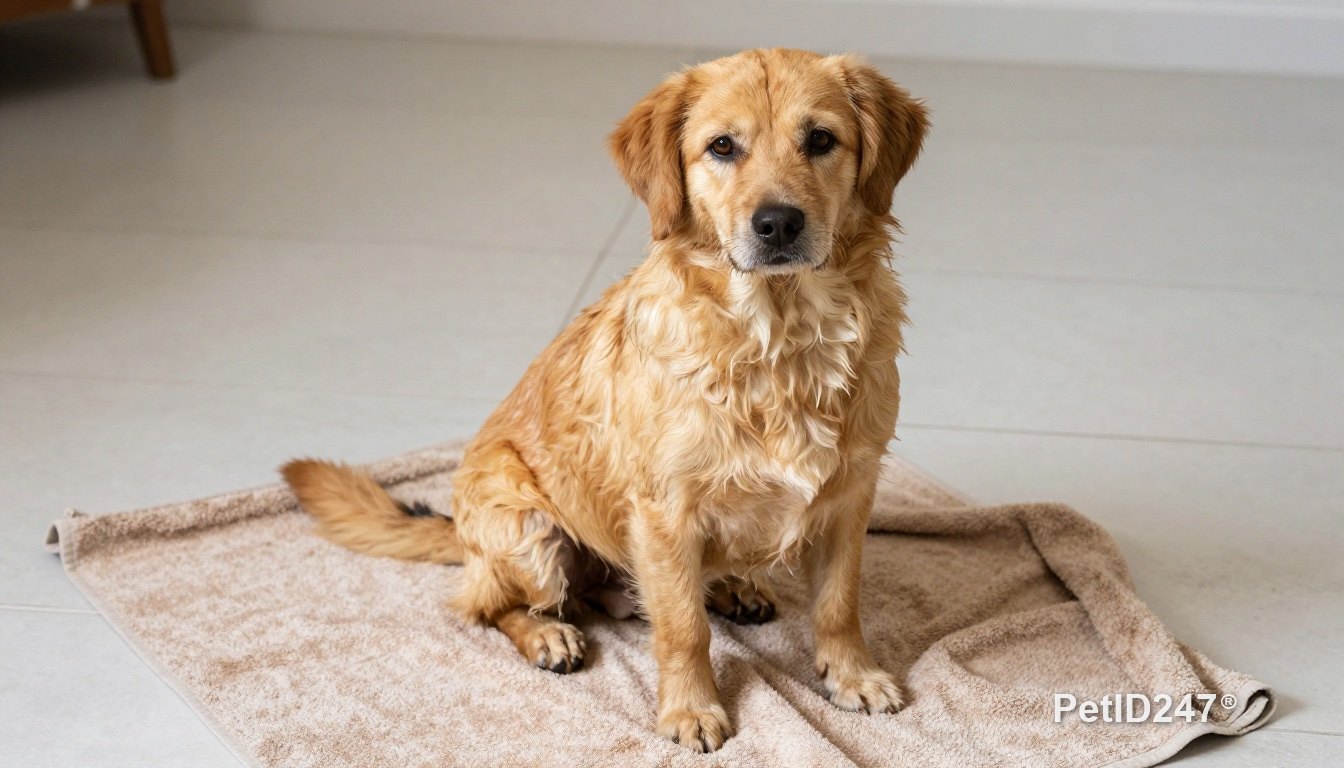
AI-generated illustration
Damp, humid weather makes dogs prone to yeast, bacterial skin problems and itching. Learn why, the early signs to watch for and how to keep your dog's skin dry.
During long spells of damp, humid weather, floors sweat and laundry never seems to dry. Your dog's skin is affected in a similar way: the coat stays wet longer and the skin remains damp, giving fungi and bacteria a chance to thrive. Many dogs start scratching, licking their paws or smelling bad at exactly this time. This article helps you spot problems early and keep your dog's skin healthy through the humid season.
Why humid weather triggers skin problems
Healthy dog skin has a natural protective layer and a balanced population of microbes. When humidity stays high for days, that balance is easily upset:
- Coat and skin don't dry: after a bath, rain or lying on a damp floor, the skin stays wet for a long time, especially in thick-coated dogs.
- Yeast and ringworm fungi grow quickly in warm, damp conditions.
- Bacteria get in more easily through skin scratched raw.
- Indoor mold increases, which can worsen symptoms in allergic dogs.
- Dogs go out less, exercise less and their bedding stays damp, so the skin gets less air.
Dogs at higher risk
- Dogs with thick, double or curly coats.
- Dogs with many skin folds on the face, neck or tail.
- Dogs with floppy or long ears.
- Allergic dogs, senior dogs and dogs with existing health problems.
Early signs to watch for
Skin infections caught early are usually much easier to treat. Check your dog's skin every few days during humid weather, especially between the toes, in the armpits and groin, in skin folds, in the ears and under the collar.
- More paw licking, scratching or rubbing than usual.
- Red skin, bumps, small pimples, round scabs or patches of hair loss.
- Greasy, sticky, darkened skin with a bad or sour smell.
- Reddish-brown fur between the toes.
- A red, wet, oozing patch that spreads quickly within hours to a day.
- Dark brown ear wax, an unpleasant ear smell and frequent head shaking.
Keeping your dog's skin dry in humid weather
Bathing and drying
- Bathe less often during very humid spells, choosing a drier day or midday. Use a dog-specific product and rinse thoroughly.
- Towel dry, then blow dry on a warm (not hot) setting until the coat is dry to the roots. Don't let your dog air dry.
- Pay extra attention to drying between the toes, the armpits, skin folds and inside the ear flaps.
- After walks in wet weather, wipe and dry the paws and belly.
Living space and belongings
- Wash your dog's bed, blankets and clothes often, and dry them completely.
- Raise the bed off damp tile floors and place it in a well-ventilated spot.
- Close windows when humidity is very high, and use a dehumidifier or the dry mode on an air conditioner if you have one.
- Keep floors dry and don't let your dog lie on wet floors for long.
Brushing and general care
- Brush regularly so dead hair doesn't hold moisture against the skin.
- Trim long hair between the toes and around the hygiene areas if needed, with help from someone experienced.
- Feed a balanced diet and make sure your dog drinks enough. Ask your veterinarian whether any skin supplement is needed.
- Keep up flea and tick prevention as directed by your veterinarian.
What not to do
- Don't apply human skin creams, antifungal creams or antibiotic ointments before your dog has been examined.
- Don't put alcohol, hydrogen peroxide, strong salt water or crushed leaves on damaged skin.
- Don't shave a thick-coated dog bald just because of the humidity without professional advice.
- Don't stop a prescribed treatment halfway, even if the skin looks better. Complete the full course as directed by your veterinarian.
When to see a vet
Take your dog to the vet if:
- There is a red, wet, oozing patch that spreads quickly and hurts when touched.
- There are round, scaly patches of hair loss, especially if people in the household also develop an itchy rash.
- Itching or paw licking goes on for several days without improving.
- The skin has pustules or a strong smell, or the ears have discharge or an odd smell.
- Your dog is tired, off food or feverish along with skin lesions.
- Skin problems come back every humid season.
Your veterinarian may need skin tests to find out whether yeast, bacteria or parasites are involved, and treat the right cause. For dogs with repeated flare-ups, ask about a prevention plan before the humid season starts.
This article was prepared with the help of artificial intelligence tools and reviewed by the PetID247 editorial team before publication. It is for reference only and does not replace an examination by a veterinarian.