Constipation in Cats: Signs and How to Help
AI-generated illustration
A cat that strains, passes hard stool or skips days may be constipated. Learn to tell it from a dangerous urinary blockage and how water, diet and activity can help.
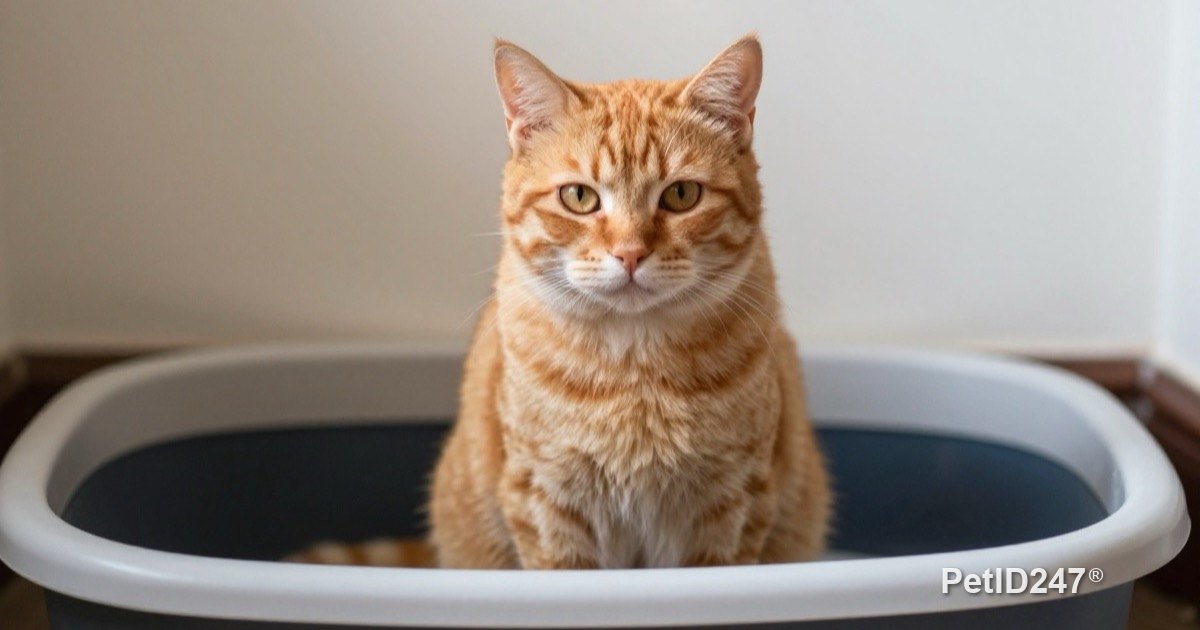
Constipation in cats is more common than many people think, especially in older cats, cats that drink little and overweight cats. An occasional slightly dry stool isn't a big worry, but ongoing constipation can stretch the large intestine so much that it struggles to recover. The most important thing is getting the diagnosis right: a cat straining in the litter box may not be constipated at all, but blocked from urinating, which is an emergency.
Signs of constipation
- Passing stool much less often than usual, or going more than two or three days without passing any.
- Small, dry, hard, dark stools, sometimes with a little blood or mucus on the outside.
- Straining for a long time, crying out, going in and out of the litter box repeatedly.
- Stool landing outside the box, or going elsewhere.
- Poor appetite, vomiting, a tense belly and lethargy in severe cases.
- Less grooming and a scruffy coat from discomfort.
Warning: straining can mean a urinary blockage
A cat squatting and straining with nothing coming out may have a blocked urinary tract, especially a male cat. Check the litter box for urine clumps. If your cat is straining with no urine, or only a few drops, go to an emergency vet immediately. A urinary blockage can become life-threatening very quickly.
Common causes
- Not enough water: cats on an all-dry diet that drink little.
- Hairballs: long-haired cats and cats that overgroom.
- Low activity and excess weight.
- Pain when squatting: older cats with arthritis or back pain, or a high-sided litter box that's hard to step into.
- Litter box aversion: a dirty box, a noisy location or unfamiliar litter can make a cat hold it in.
- Medical conditions: chronic kidney disease causing dehydration, hyperthyroidism, nerve damage, tumors, a narrowed pelvis after an accident.
- Swallowed objects such as bones, string or plastic.
- Side effects of some medicines; ask your vet if your cat is on medication.
Senior cats are the most prone to constipation because they often drink less, move less, have joint pain and commonly have kidney disease as well. If your cat is older, notice how often it passes stool when you scoop the box each day. Simple notes help you catch changes early and give your veterinarian useful information.
Helping your cat at home
The steps below help prevent constipation and support mild cases. If your cat hasn't passed stool for several days, see a vet first.
Increase water intake
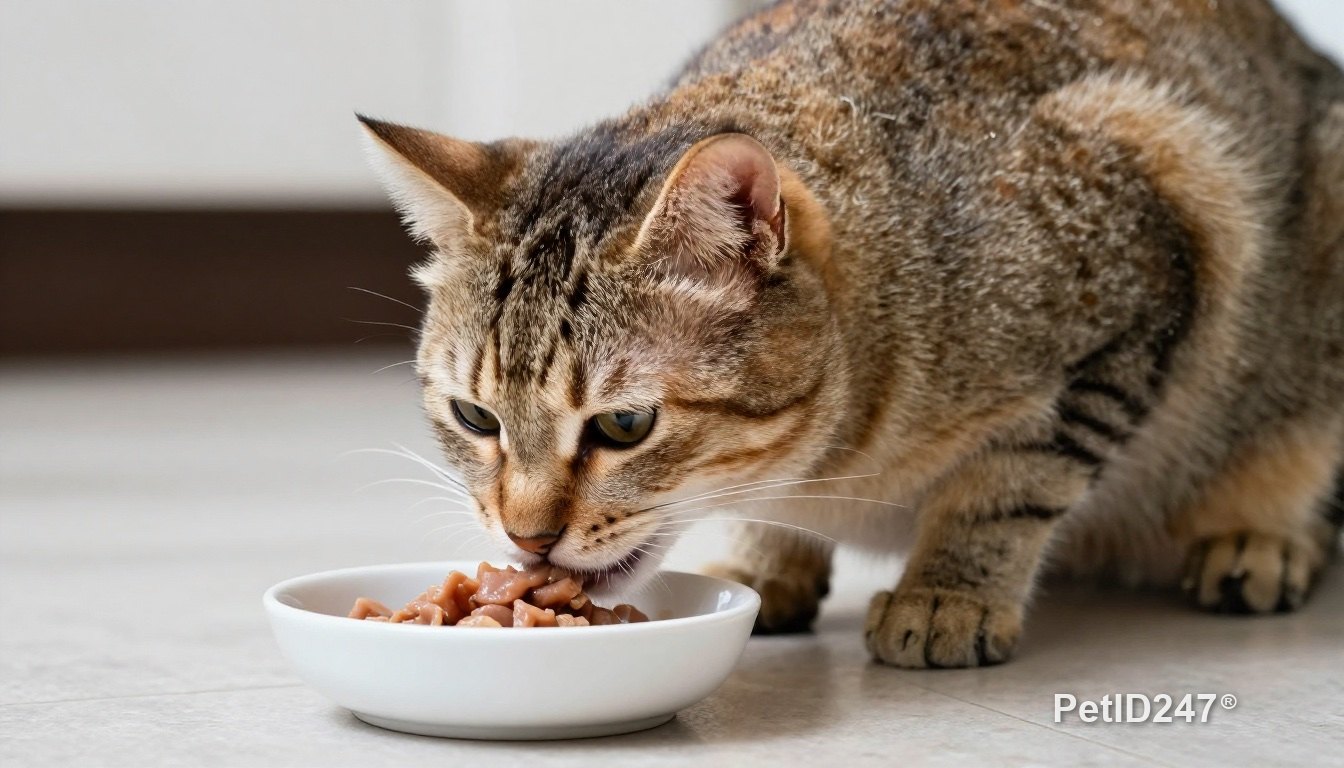
- Add wet food to the diet; you can mix a little water into it.
- Place several water bowls around the home, away from the litter box and food bowls.
- Try wide, shallow bowls or a water fountain, and change the water daily.
Adjust the diet
- Ask your veterinarian about fiber-enriched or digestive-support foods suitable for cats.
- Switch foods gradually over about a week.
- Keep a healthy weight with appropriate portions.
Exercise and grooming
- Play with your cat every day using wand toys and balls.
- Brush regularly to reduce swallowed hair, especially during shedding season.
An easy-to-use litter box
- Scoop daily and place the box in a quiet spot.
- Older cats do better with a low-sided box that's easy to step into.
What not to do
- Don't give your cat human laxatives, enemas or oils on your own. Some are highly toxic to cats or can be inhaled into the lungs.
- Don't try to give your cat an enema at home.
- Use any laxative or supportive medicine only as directed by your veterinarian, and read the label carefully.
When to see a vet
- Emergency now: a cat straining in the litter box with no urine, especially a male cat.
- No stool for more than about two or three days, or lots of straining without results.
- Vomiting, loss of appetite, lethargy or a painful, tense belly.
- A lot of blood in the stool.
- Constipation that keeps returning, especially in older cats: underlying conditions such as kidney disease or arthritis need to be found.
- You suspect your cat swallowed a foreign object.
This article was prepared with the help of artificial intelligence tools and reviewed by the PetID247 editorial team before publication. It is for reference only and does not replace an examination by a veterinarian. How we write our articles