Carrier Training Your Cat, Step by Step
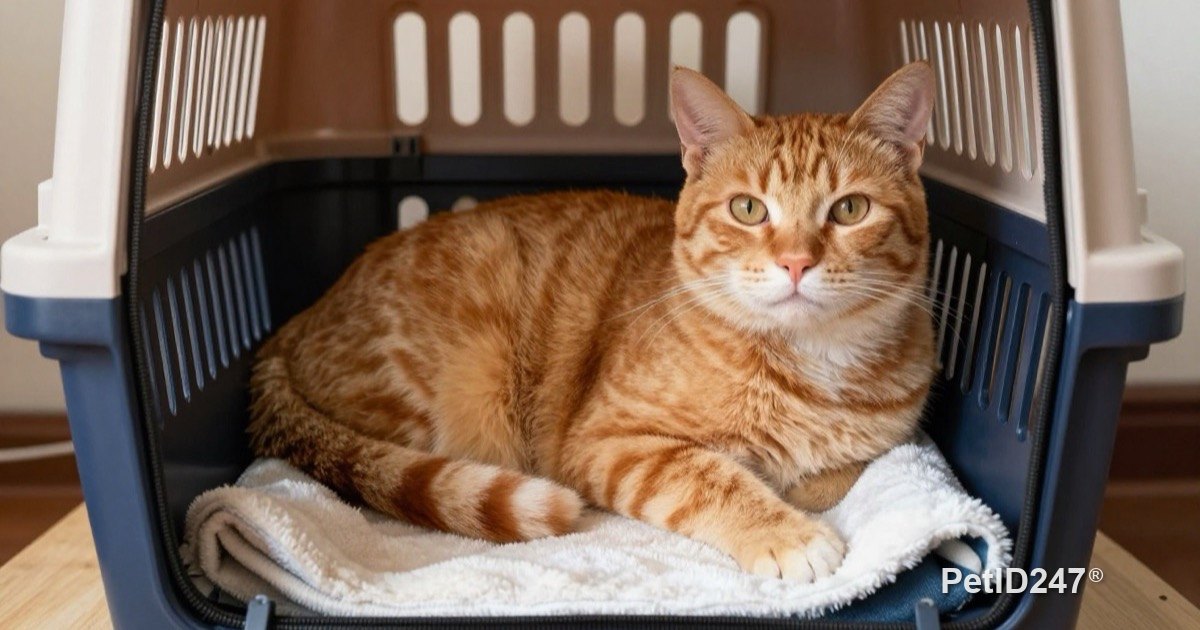
AI-generated illustration
Cats fear carriers because carriers only appear before vet visits or trips. Learn how to choose a good carrier and train your cat to walk in and travel more calmly.
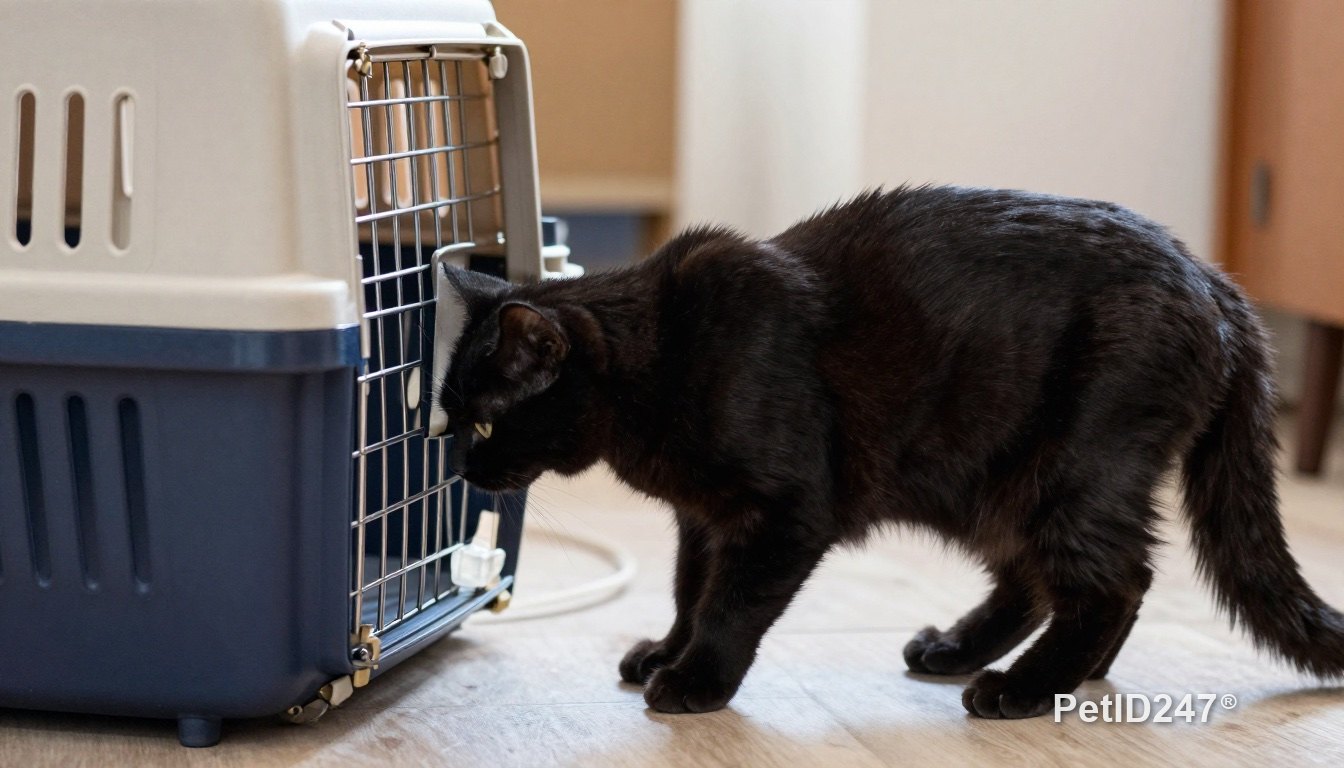
Many cats bolt under the bed the moment the carrier comes out. It's easy to see why: to a cat, the carrier usually means a scary trip. Getting your cat used to the carrier ahead of time makes every vet visit, journey or emergency much easier for both of you.
Why you need a carrier
- Safety on the road: a loose cat in a car can get under the pedals or be thrown forward in a sudden stop. Holding a cat on a motorbike is very dangerous too, as the cat may struggle and leap into traffic.
- Preventing escape: a frightened cat in an unfamiliar place can slip out of your arms in a split second.
- Emergencies: if you need to evacuate quickly, a carrier-trained cat is far easier to move.
- At the clinic: the carrier is a familiar "hiding place" that helps your cat feel less stressed.
Choosing the right carrier
- Size: big enough for your cat to stand, turn around and lie down comfortably, but not so large that it slides around during travel.
- Hard-shell with a top opening: makes getting in and out easier. Models whose top half comes off also let the vet examine your cat in the bottom half.
- Sturdy and well ventilated: a secure latch and air vents on several sides. This matters a lot in hot weather.
- Easy to clean: line it with a towel or absorbent pad in case your cat soils or vomits on the way.
Soft fabric bags work for short trips with a calm cat, but are usually less secure if the cat panics.
Training your cat to like the carrier
Each step can take days or weeks depending on the cat. Only move on when your cat is truly relaxed at the current step.
- Make it furniture: place the carrier where your cat likes to rest, remove the door or leave it open, and line it with a familiar-smelling towel. Leave it there rather than putting it back in storage.
- Link it with good things: now and then put treats, toys or a little catnip inside. You can place meals near the carrier, then gradually move the bowl inside.
- Close the door briefly: once your cat goes in on its own, close the door for a few seconds while it eats, then open it. Gradually extend the time.
- Lift the carrier: lift it gently for a few seconds, set it down and reward. Then carry it around the room.
- Short trips outside: carry it to the door, to the car, sit for a moment, go back in and reward. Next, take short drives of a few minutes and come home.
If your cat shows fear, such as crouching low, panting or trying to escape, go back a step. Never use the carrier as punishment.
Kittens usually learn faster than adult cats, so if you have just adopted a kitten, start training in the first few weeks. For an adult cat with bad memories of its carrier, switching to a new carrier with a different shape and smell can sometimes make training easier.
Tips for the actual trip
- Bring the carrier out the day before, so your cat doesn't see you pull it out right before leaving.
- If your cat won't go in on its own, stand the carrier on end with the door facing up and gently lower your cat in rear first, or place it in through the top opening.
- Drape a light cloth over the carrier so your cat feels hidden, while keeping airflow.
- Carry the carrier with both hands or hug it against your body, keeping it level and avoiding swinging.
- In the car, place the carrier on the floor behind a seat or secure it with a seat belt. Keep the car cool and the music low.
- In the waiting room, put the carrier on a chair rather than the floor, with the door facing away from other dogs.
Summary
- A carrier is essential safety equipment, so train your cat to accept it early.
- Choose a hard-shell, top-opening, well-ventilated carrier of the right size.
- Make the carrier part of your home and train in small steps with rewards.
- If your cat gets carsick, vomits or panics badly on every trip, ask your veterinarian. Any travel medication should be used only as directed by your veterinarian.
This article was prepared with the help of artificial intelligence tools and reviewed by the PetID247 editorial team before publication. It is for reference only and does not replace an examination by a veterinarian.