Community Tank Mates: Which Fish Get Along
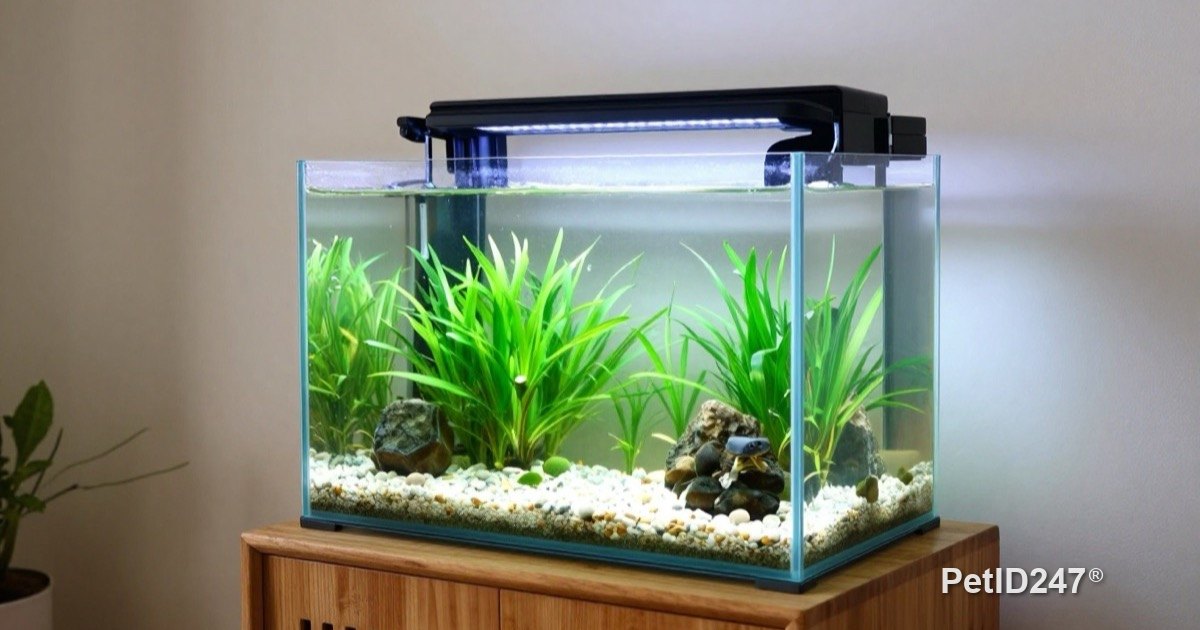
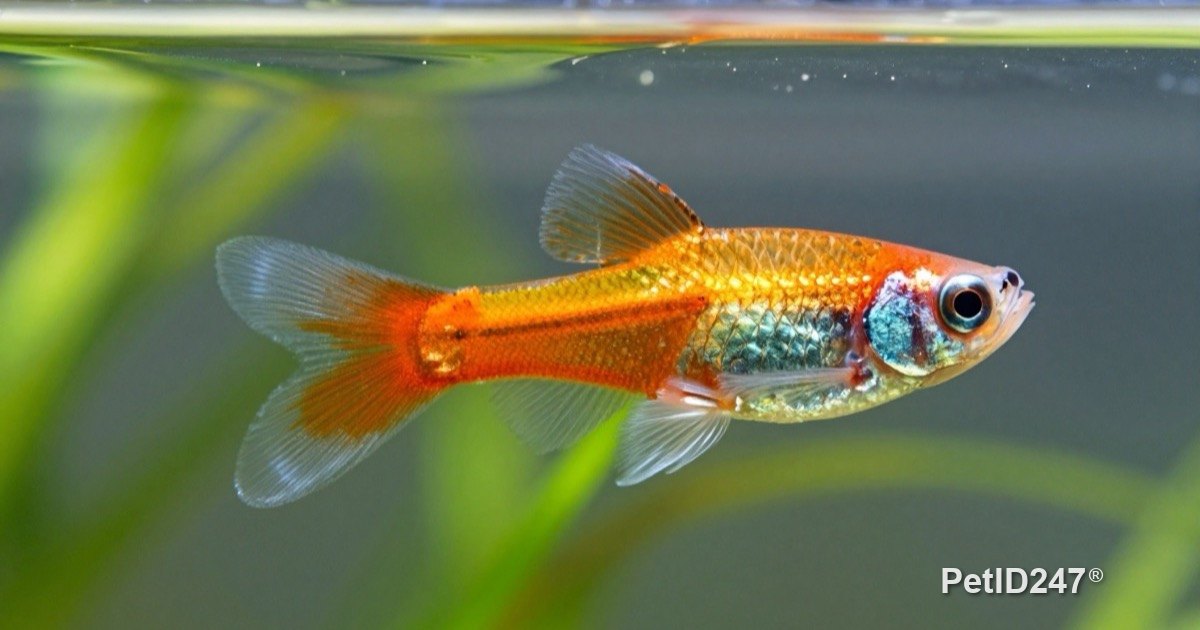
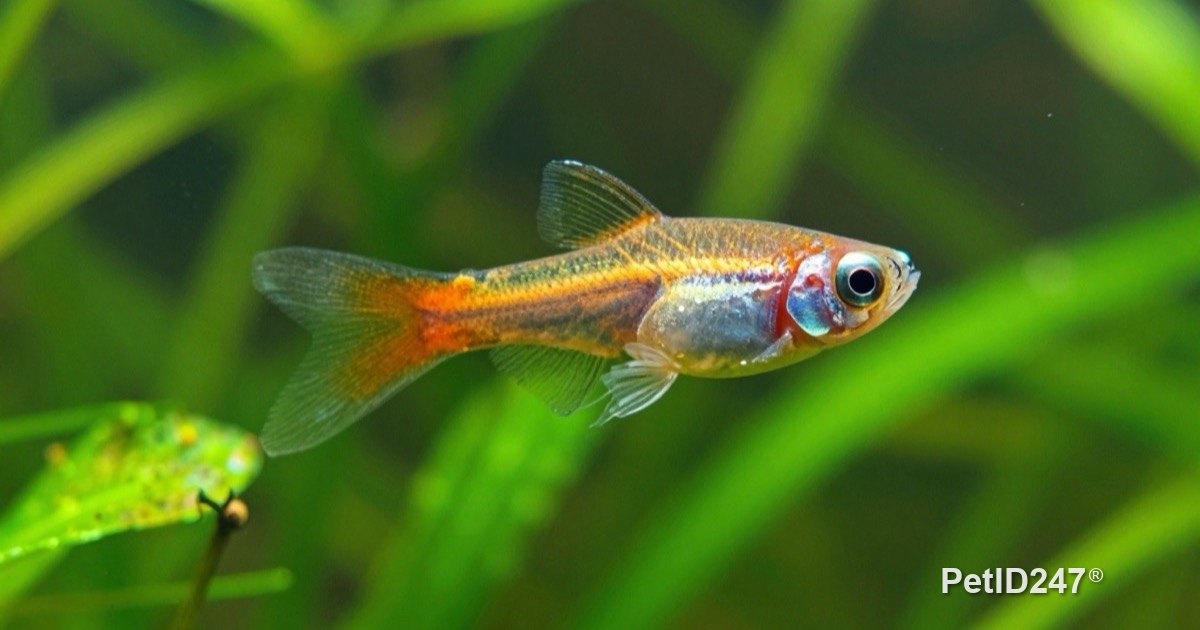
AI-generated illustration
Mix the wrong species and fish fight, nip fins or eat each other. Learn the criteria for choosing tank mates, examples of good and risky pairings, and how to add new fish.
A community tank with several species looks lively, but get the mix wrong and fish fight, nip fins, get bullied until they stop eating, or get eaten. Before buying another species, check whether it suits the fish already in your tank.
Five criteria for choosing tank mates
1. The same water conditions
Each species is used to a certain range of temperature, pH and water hardness. Goldfish are cool-water fish and shouldn't be kept with tropical fish that need warm water. Brackish and marine fish don't mix with freshwater fish either.
2. Adult size
An easy rule: any fish that fits in another's mouth will sooner or later be eaten. Don't judge by the size at the shop; look up the adult size. Many species are sold tiny but grow very fast.
3. Temperament
- Peaceful: most small schooling fish, corydoras, guppies.
- Semi-aggressive: some species nip fins or defend territory.
- Aggressive: many large predatory fish and strongly territorial species.
4. Swimming level
Choosing fish that use different levels (top, middle, bottom) balances the tank and reduces competition for space.
5. Schooling behavior
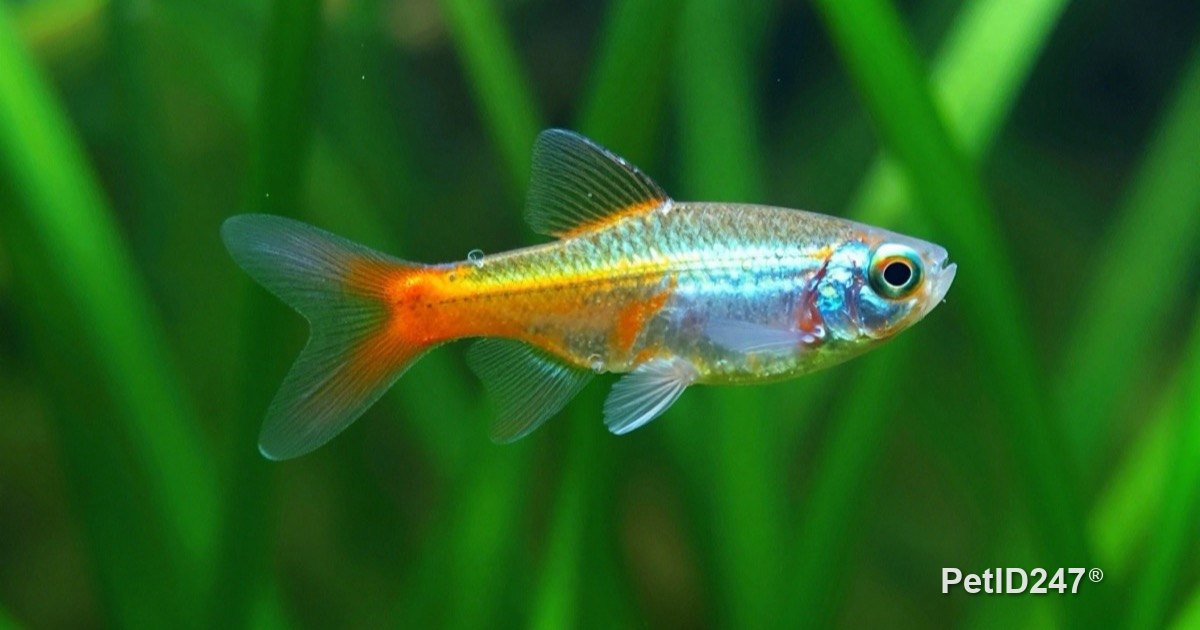
Schooling fish such as neon tetras and rasboras should be kept in groups, about 6 or more as a guide. Kept singly or in pairs, they become stressed and shy, or start nipping others.
Examples of good and risky combinations
Usually compatible (tropical tank, peaceful fish)
- Small mid-water schooling fish: neons, rasboras, small tetras.
- Peaceful livebearers: guppies, platies, mollies (note mollies prefer slightly hard water).
- Peaceful bottom dwellers: corydoras kept in groups.
- Ornamental shrimp and small snails alongside small, peaceful schooling fish.
Be careful with
- Male bettas: never keep two males together; avoid colorful long-finned fish that may be seen as rivals, and fin-nippers.
- Fin-nippers shouldn't be kept with long-finned fish such as bettas, long-tailed guppies or fancy goldfish.
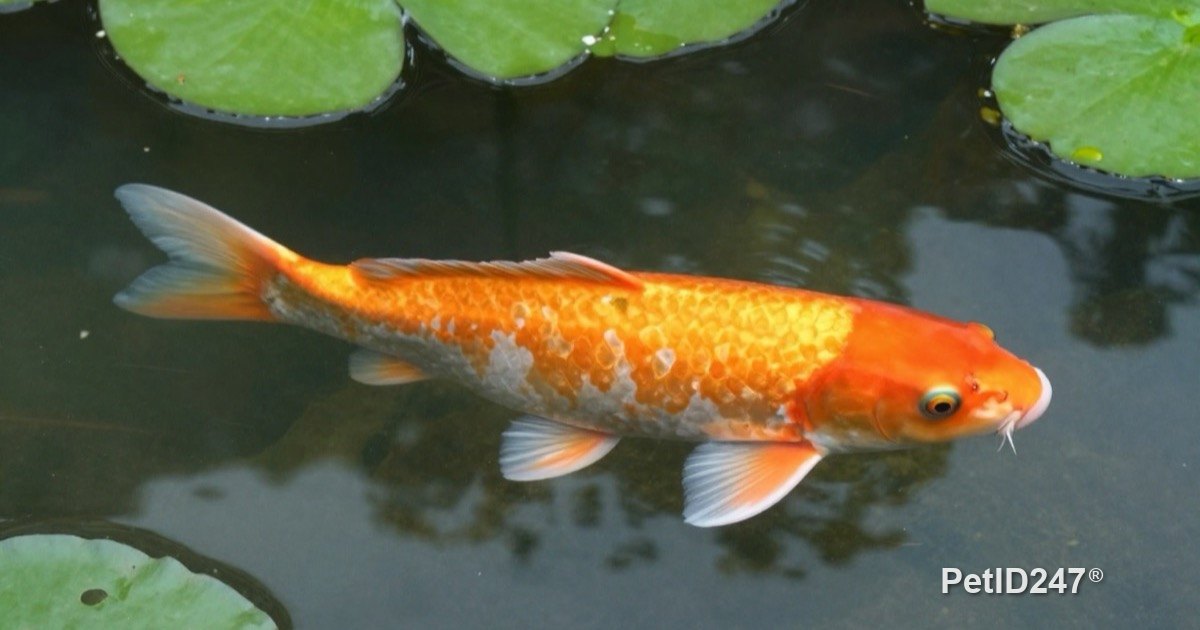
- Goldfish: best kept only with other goldfish, as they need cooler water and produce a lot of waste.
- Large predatory fish: will eat small fish and shrimp. Keep them alone or with similar-sized fish you've researched carefully.
- Territorial bottom dwellers need plenty of caves, or they will fight.
Tank size matters a lot
With the same group of fish, a larger tank is usually more peaceful than a cramped one. A big tank gives weaker fish places to escape, keeps water quality more stable and reduces overlapping territories. In a small tank, choose fewer species: favor one school of small, peaceful fish plus a few bottom dwellers rather than squeezing in many different kinds. Live plants, driftwood and rock caves break up lines of sight and reduce chasing. Before buying, list the species you want, note each one's adult size, water temperature and temperament, then compare with your tank volume. If you're unsure, ask an experienced seller or check several sources before deciding.
How to add new fish to a community tank
- Quarantine new fish in a separate tank for a few weeks to catch any disease.
- Add a few fish at a time so the filter can adapt to the extra waste.
- Consider rearranging the decorations when adding fish, to break up old territories and reduce bullying of newcomers.
- Turn off the tank light for a few hours after adding fish to reduce stress.
- Watch closely for the first few days: chasing, torn fins, or fish hiding and refusing food are signs you need to separate them.
Summary
- Match fish by water conditions, adult size, temperament, swimming level and schooling behavior.
- Never keep fish small enough to fit in a larger fish's mouth.
- Keep schooling fish in groups, and give territorial fish enough hiding places.
- Always quarantine new fish, add them gradually and watch them. Keep a spare tank ready in case you need to separate fish.
This article was prepared with the help of artificial intelligence tools and reviewed by the PetID247 editorial team before publication. It is for reference only and does not replace an examination by a veterinarian. How we write our articles