Cat Overgrooming and Patchy Hair Loss
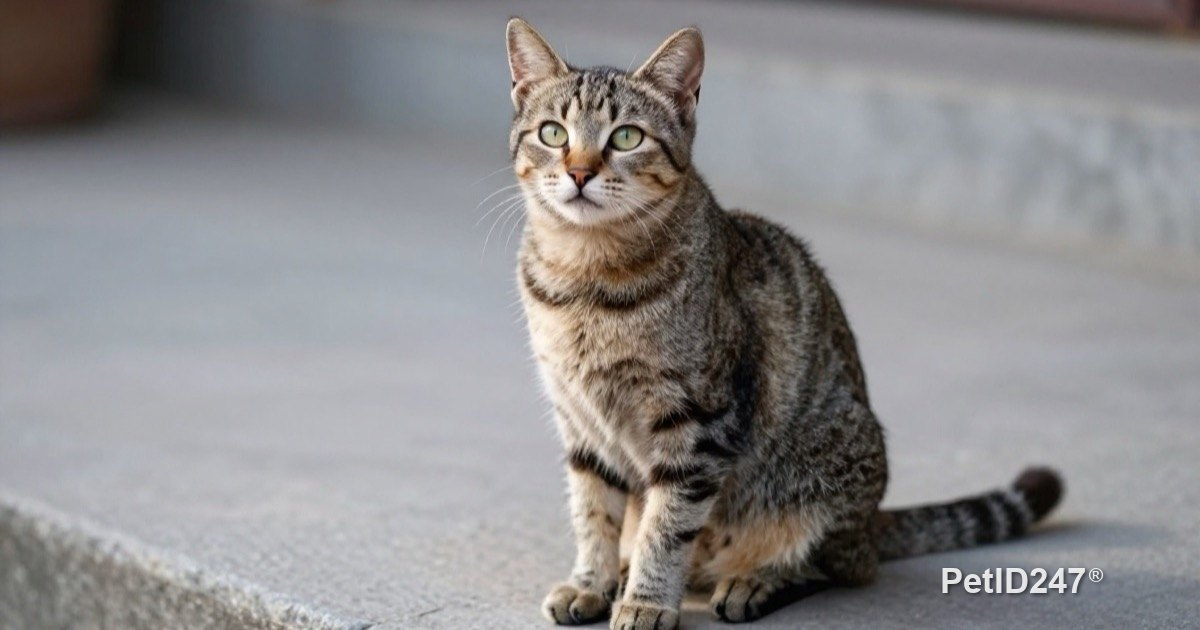
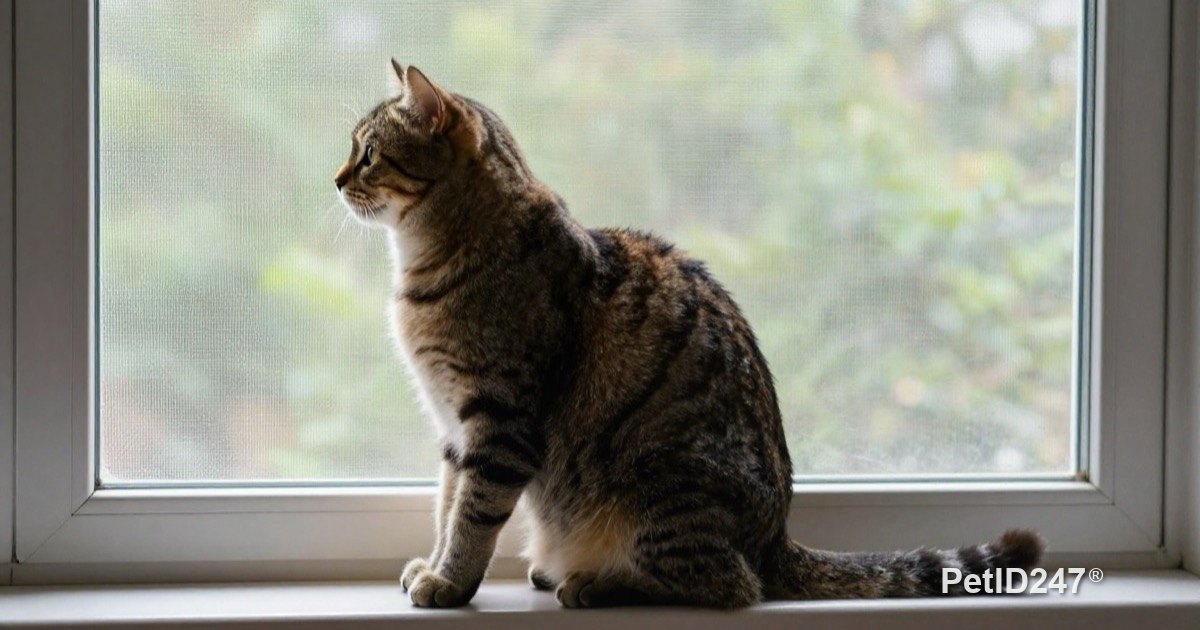
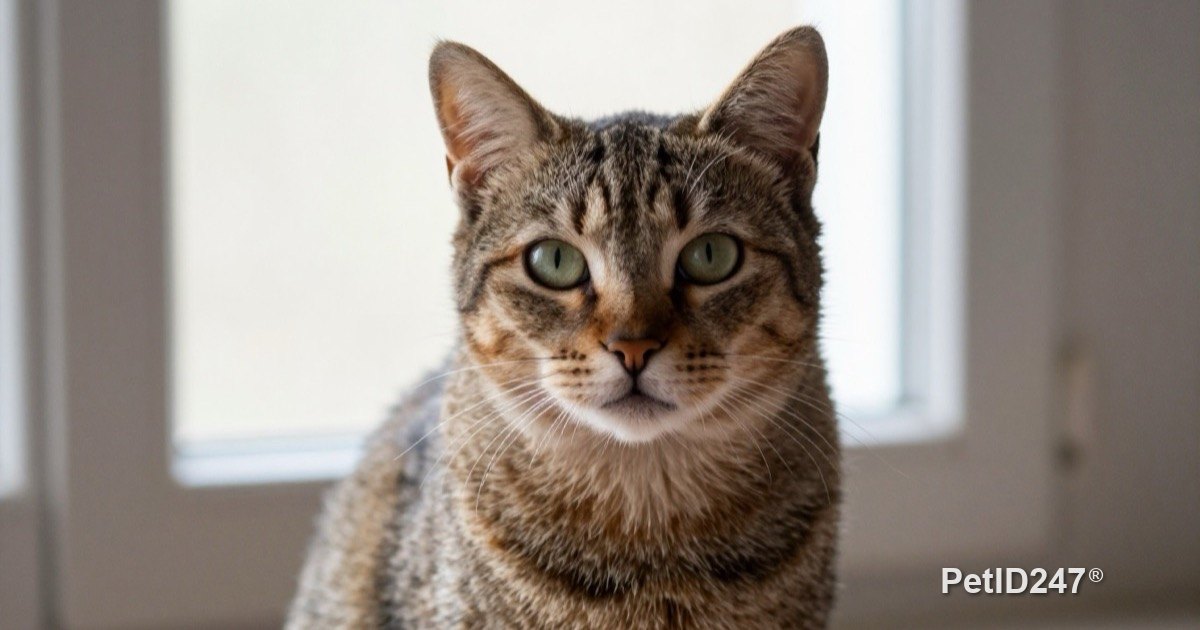
AI-generated illustration
A cat licking its belly, thighs or legs bald may be itchy, in pain or stressed. Learn how to find the cause with your veterinarian and how to reduce your cat's stress at home.
Cats spend a lot of time grooming every day, and that's normal. But when your cat's belly, inner thighs or front legs have bald patches, with the remaining fur short and stubbly as if it had been trimmed, your cat is overgrooming. Many people assume stress straight away, but medical causes such as itching and pain are actually more common and need to be ruled out first.
Recognizing overgrooming
- Symmetrical bald patches, often on the belly, inner thighs, front legs, flanks or base of the tail.
- Remaining hairs are short and broken, not smoothly fallen out from the root.
- More hairballs than usual, or lots of hair in the stool.
- You may rarely catch it happening, since many cats groom when no one is around; you only see the result.
- The skin may look normal, or be red, scraped, scabbed or covered in small bumps.
If hair falls out in scaly circles or the skin feels rough, it may be ringworm or another skin disease; see our article on fungal skin infections in cats.
Common causes
Itching from allergies and parasites
- Flea allergy: just a few bites can make a sensitive cat intensely itchy. Indoor cats can still get fleas brought in by people or other pets.
- Food allergy.
- Environmental allergies: house dust, pollen, mold.
- Mites and fungal skin infections.
Internal pain and discomfort
- Cats with bladder inflammation often lick the lower belly.
- Cats with joint pain may lick over sore joints.
- Abdominal pain or bowel disease can also lead to belly licking.
Stress and boredom
- Moving house, a new pet, a new baby, changes in routine.
- Tension with other cats in the home, or seeing unfamiliar cats outside the window.
- Too few hiding places or high perches, not enough play.
Grooming helps cats soothe themselves, but it can become a habit over time. Usually, a vet will only conclude the cause is behavioral after ruling out medical problems.
What your veterinarian may do
- Examine the skin, comb for fleas, take skin scrapings for parasites and test for fungus.
- Look at hairs under a microscope to see whether they're broken from licking or falling out from the root.
- Suggest an elimination diet trial over several weeks if food allergy is suspected.
- Check urine, joints and the gut if pain is suspected.
- Treat all pets in the household for fleas, using products as directed and reading the label carefully. Never use dog products on cats.
- For behavioral cases, advise on environmental changes, prescribing supportive medication only when needed.
Reducing your cat's stress at home
- Keep a stable routine: regular mealtimes and playtimes.
- Play every day: several short sessions with a wand toy, letting your cat stalk, pounce and catch, then reward with food.
- Enrich the environment: scratching posts, high shelves, cardboard boxes, a window to watch from.
- Enough resources for multiple cats: food bowls, water bowls, litter boxes and beds in several locations.
- Cover part of the window if your cat is stressed by seeing unfamiliar cats outside.
- Don't scold or punish your cat for licking; it only adds stress. Gently redirect with a game instead.
- Food-dispensing toys keep your cat busy while you're out.
Fur usually grows back over several weeks to a few months once the cause is under control. So take photos of the bald areas regularly to compare, rather than expecting results within a few days.
When to see a vet
- The first time you notice bald patches, to find the right cause.
- Red, scraped, oozing, crusty or smelly skin.
- Lower-belly licking along with frequent urination, straining or blood in the urine. If no urine comes out, it's an emergency.
- Weight loss, vomiting, diarrhea or changes in appetite.
- People in the home develop itchy rashes or round patches on the skin: suspect ringworm or fleas.
- Your cat is still overgrooming after several weeks of environmental improvements.
This article was prepared with the help of artificial intelligence tools and reviewed by the PetID247 editorial team before publication. It is for reference only and does not replace an examination by a veterinarian. How we write our articles