Cat Open-Mouth Breathing or Panting: An Emergency Sign
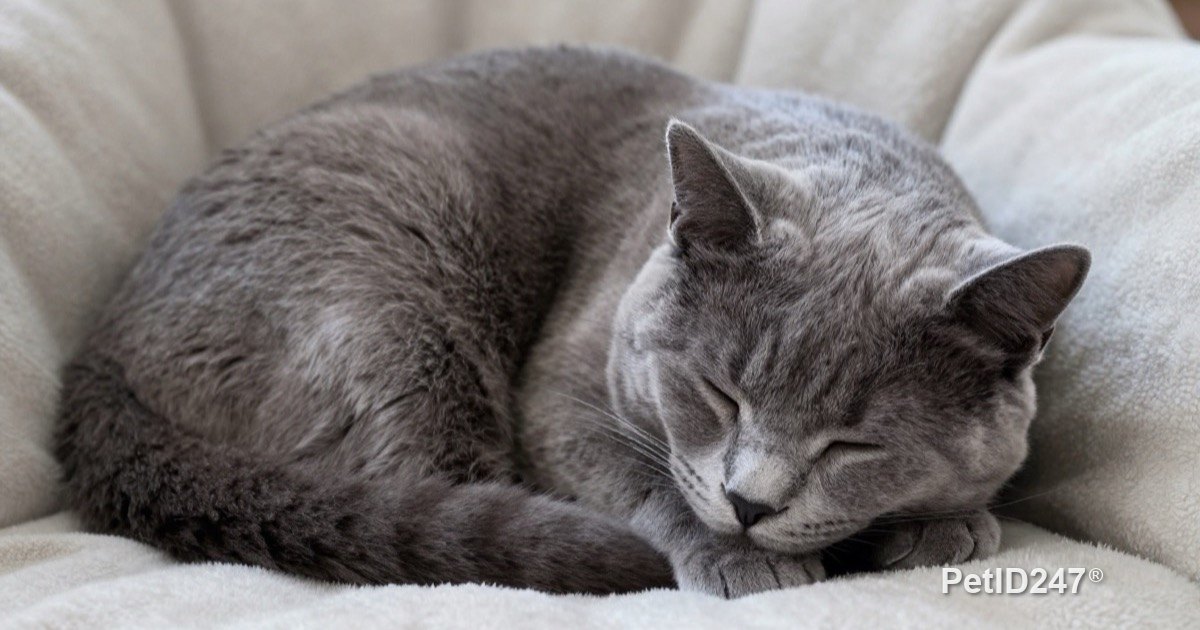
AI-generated illustration
Unlike dogs, a cat breathing with its mouth open is almost always abnormal. Learn to count your cat's sleeping breathing rate, recognize breathing trouble and get to the vet safely.
Panting is an everyday thing for dogs, but cats are different. Healthy cats almost always breathe quietly through the nose, with very little chest and belly movement. When a cat breathes with its mouth open, breathes rapidly or struggles to breathe, it usually means the body is short of oxygen and a veterinarian needs to see it right away. This article helps you recognize the problem early and handle the trip to the emergency vet correctly.
What normal breathing looks like in cats
The best way to monitor is to count breaths while your cat is sound asleep, because breathing varies a lot when awake:
- Wait until your cat is sleeping quietly, not dreaming or just after play.
- Count how many times the chest rises (one rise and fall is one breath) in thirty seconds, then double it.
- In healthy cats, the sleeping breathing rate is usually under about thirty breaths per minute (as a guide). Your veterinarian can give you a specific threshold if your cat has heart or lung disease.
- Record it a few times a week so you know your own cat's normal.
A kitten may breathe with its mouth open for a few seconds after very intense play, or a cat may pant when frightened in the car. But if it doesn't stop quickly with rest, or happens while your cat is calm, treat it as abnormal.
Signs your cat is struggling to breathe
- Open-mouth breathing, tongue out like a dog.
- A fast breathing rate at rest or while asleep.
- The belly heaving with each breath; labored breathing.
- Sitting or lying on the chest with elbows sticking out and neck stretched, refusing to lie on its side.
- Bluish or pale gums and tongue.
- Coughing, wheezing or a whistling noise.
- Anxiety, restlessness, hiding in a corner.
Possible causes
- Heart disease: cardiomyopathy in cats can be silent, then suddenly cause fluid in or around the lungs.
- Feline asthma and other lower airway diseases.
- Fluid or air in the chest cavity from many causes, including FIP and tumors.
- Trauma: a fall from a balcony, being hit by a car, a dog bite.
- Heatstroke in hot places, when shut in a car, or after blow-drying.
- Severe anemia, intense pain, poisoning.
- Severe respiratory infections, especially in kittens.
Only a veterinarian can identify the cause through examination, X-rays, ultrasound and tests. Cats in respiratory distress can easily go into shock when restrained, so the vet may give oxygen first to stabilize your cat before doing more.
For cats already diagnosed with heart disease or asthma, counting sleeping breaths at home is a very useful monitoring tool. Write it down in a notebook or on your phone with the date and time. A breathing rate that creeps up over several days can be an early warning, before obvious breathing trouble appears, so you can get your cat seen in time.
What to do on the way to the emergency vet
- Stay calm and move quickly: call the veterinary clinic ahead so they can prepare.
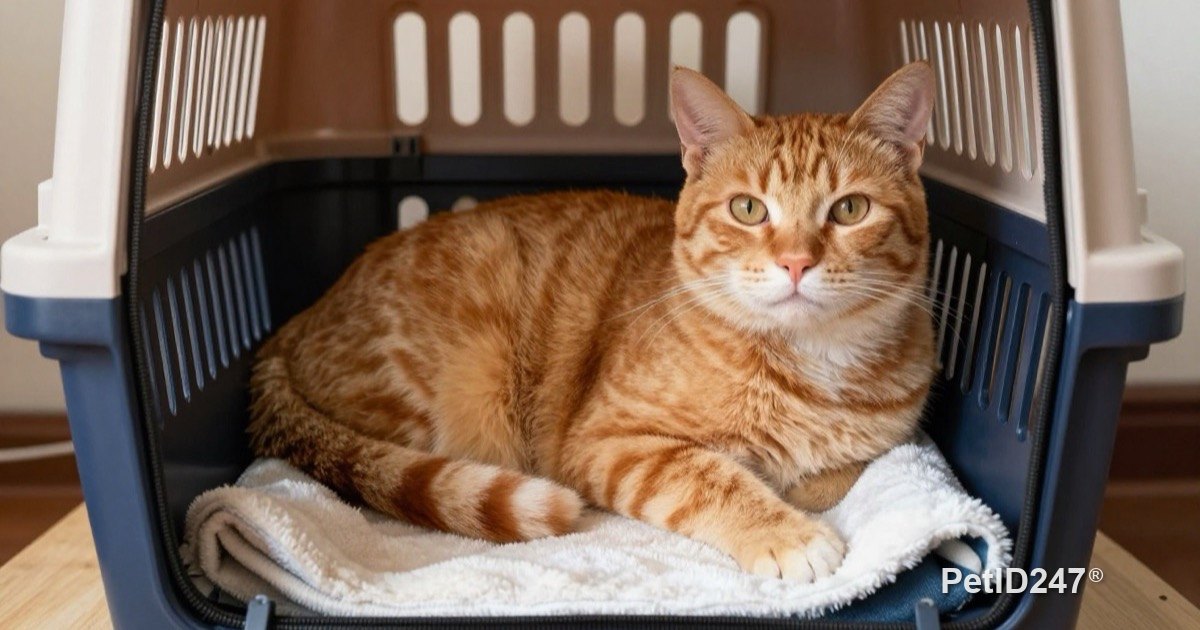
- Place your cat in a well-ventilated carrier. Don't hold it tightly or press on its chest.
- Let your cat choose the position that's easiest for breathing; don't force it onto its side.
- Keep the car cool and airy; don't wrap your cat tightly in blankets.
- If you suspect heatstroke, cool your cat with a towel soaked in cool (not ice-cold) water and go immediately.
- Don't give food, water or any medicine.
- Minimize handling at home: every struggle increases your cat's need for oxygen.
When to see a vet
- Emergency now if your cat breathes with its mouth open at rest, labors to breathe, has bluish gums or collapses.
- Emergency now after any accident such as a high fall or being hit by a vehicle, even if your cat seems fine at first.
- Same-day visit if the sleeping breathing rate is clearly higher than your cat's normal, or your cat is coughing a lot.
- Prompt appointment if your cat has bouts of coughing or wheezing or tires quickly during play: this could be asthma or early heart disease.
This article was prepared with the help of artificial intelligence tools and reviewed by the PetID247 editorial team before publication. It is for reference only and does not replace an examination by a veterinarian. How we write our articles