Caring for Senior Rabbits and Guinea Pigs
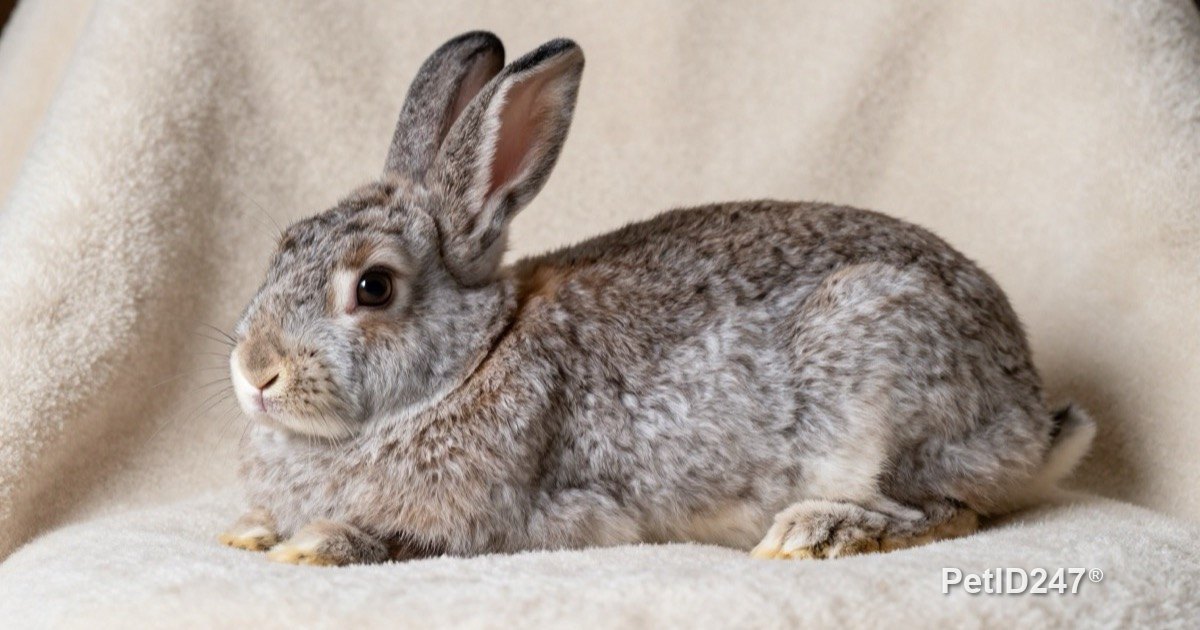
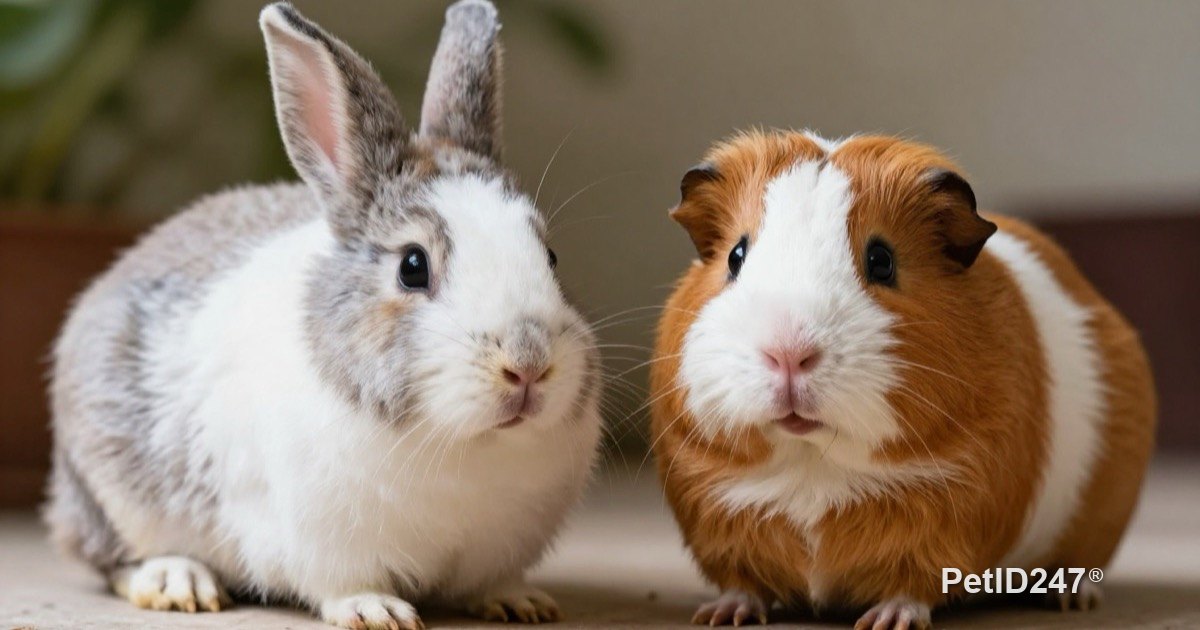
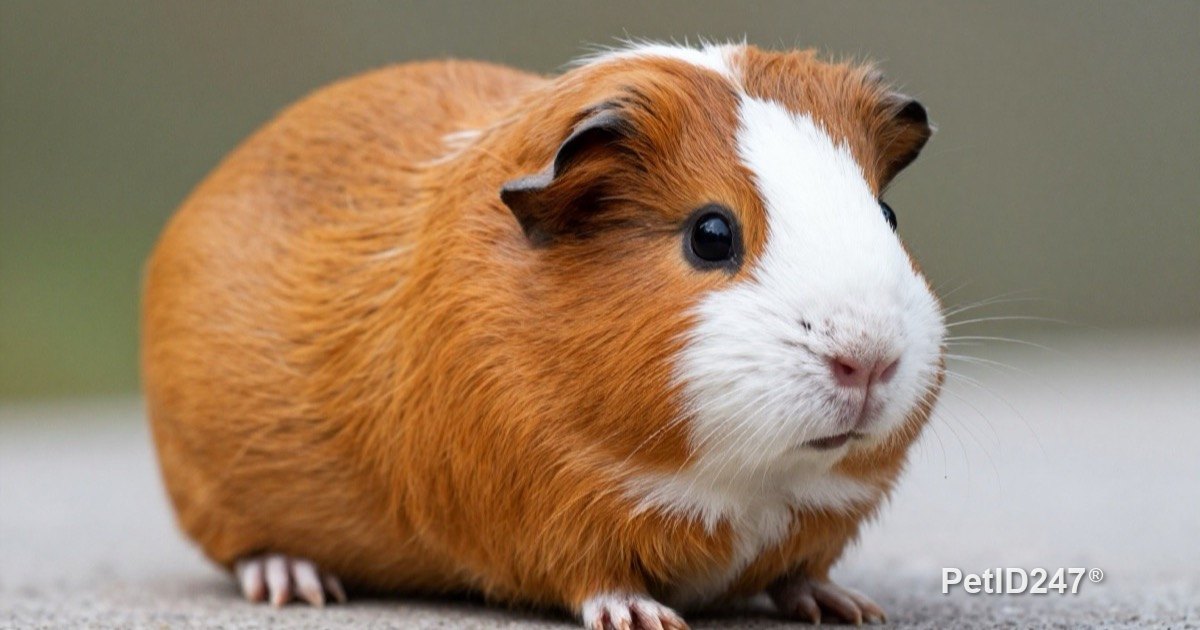
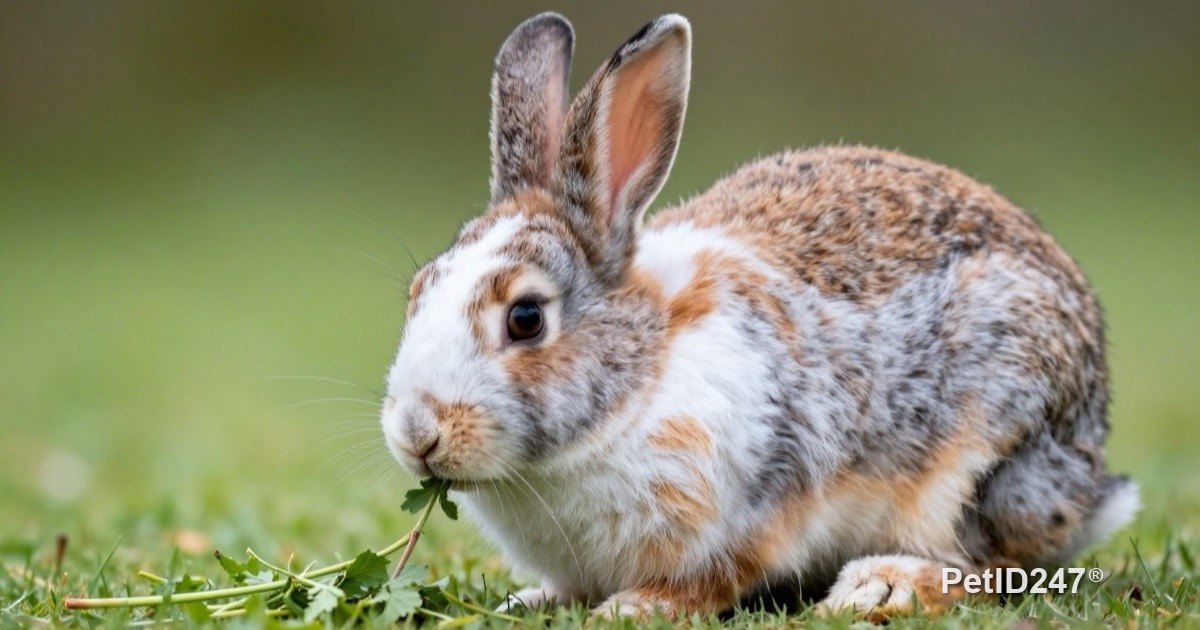
AI-generated illustration
Older rabbits and guinea pigs are prone to joint pain, dental problems and trouble keeping clean. Learn how to adapt housing, diet and health checks.
Thanks to better care, pet rabbits and guinea pigs are living longer. But old age brings changes that owners can easily mistake for being "lazy" or "fussy" if they aren't paying attention. This guide helps you recognize the signs of aging and adjust your care so your pet stays comfortable in its later years.
When is a rabbit or guinea pig considered old?
The age at which a pet becomes senior varies by species, breed and individual condition. As a common rule of thumb:
- Rabbits: are usually considered senior from around 5–6 years old. Small breeds tend to live longer than large ones.
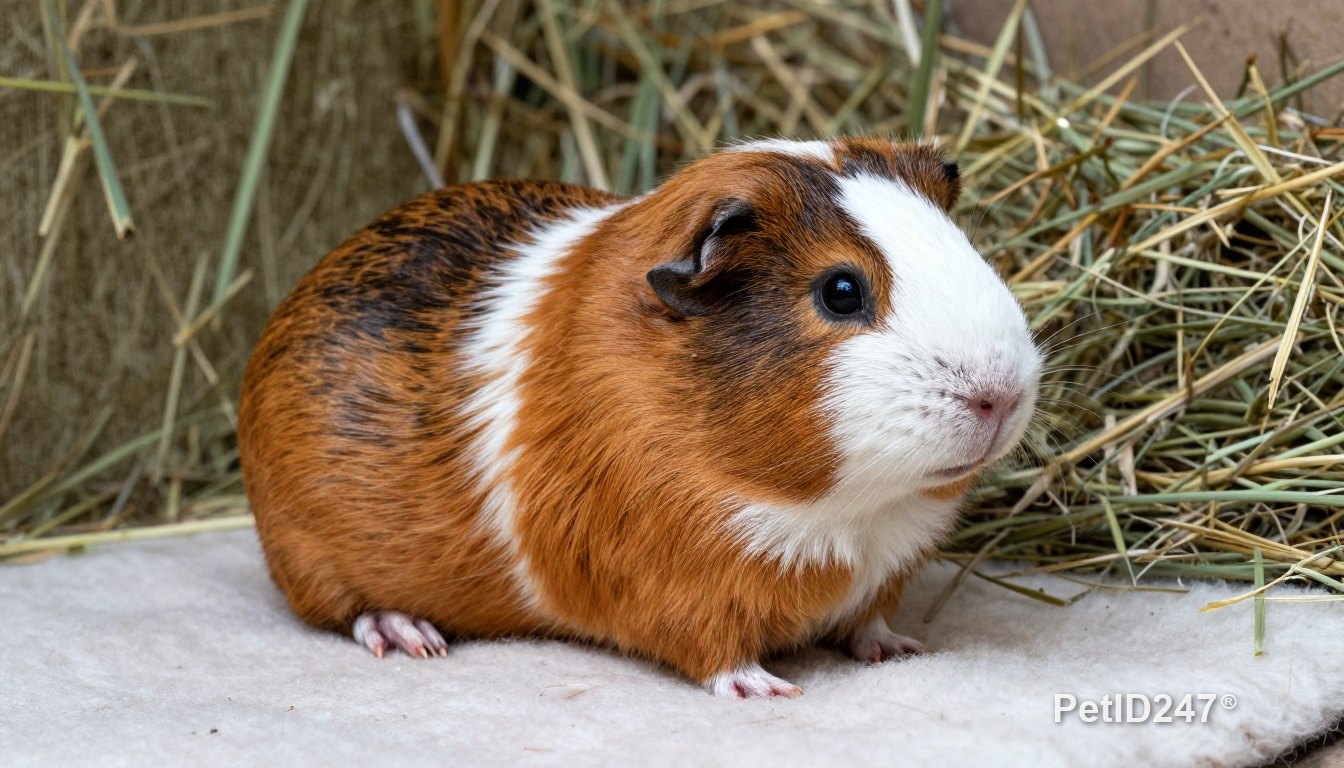
- Guinea pigs: are usually considered senior from around 4–5 years old.
Rather than focusing only on age, watch for changes in behavior and body. Those are the real signals that it's time to adjust your care.
Common changes in old age
Joints and mobility
Older rabbits and guinea pigs often develop arthritis. You may notice them hopping less, avoiding upper levels of the enclosure, moving slowly, standing stiffly or sitting in one spot for long periods. A rabbit with sore joints may also struggle to bend down to eat its cecotropes, the soft, nutrient-rich droppings rabbits need to re-eat.
Teeth
Both species have teeth that grow throughout life. With age, teeth are more likely to grow unevenly, and sharp spurs on the molars can make the mouth sore. Signs include slow eating, picky eating, dropping food, drooling and a wet chin.
Poorer self-grooming
Older pets groom themselves less, especially along the back and around the bottom. Soft droppings and urine stuck to the fur cause skin irritation and, in hot weather, attract flies that lay eggs, which is very dangerous.
Eyes, ears and weight
Eyes may turn cloudy and the pet may bump into things. Weight may drop gradually from poor eating, or rise from less activity. Both need to be monitored.
Adapting the enclosure and living space
- Lower resting spots, remove high levels and replace steps with gentle, non-slip ramps.
- Use soft, cushioned, dry flooring such as cotton rugs, fleece or a thick bedding layer. Avoid wire floors and slippery tiles.
- Use a litter tray with low sides, or cut one side down so a rabbit can step in easily.
- Place water, food bowls and hay where they are easy to reach without climbing.
- Keep the layout consistent, especially for pets with failing eyesight, so they can remember their way around.
- Avoid places that are too hot or drafty. Older animals cope less well with temperature changes.
Diet and daily care
Diet
Hay remains the main part of the diet. If long hay is hard to chew, choose a softer, leafier hay. Fresh vegetables are still needed daily, and guinea pigs must still get enough vitamin C. If your pet is losing weight or has weak teeth, your veterinarian may recommend an easy-to-chew or supportive food. Don't change the diet suddenly on your own.
Regular checks at home
- Weigh your pet once a week on a kitchen scale and write it down. Gradual weight loss is an early sign of many illnesses.
- Check the bottom area daily, especially in hot weather. Clean it with a damp cloth; avoid full-body baths.
- Brush gently and more often, especially during shedding.
- Check the nails. Less active pets wear their nails down more slowly and need trims more often.
Gentle exercise and enrichment
Senior pets still need time out of the enclosure, walking on safe flooring, with things to chew and places to hide. Keep daily routines steady, and keep them with a familiar companion of their own kind if they have one.
Many veterinarians recommend more frequent checkups for senior pets, for example about every six months. Ask what schedule suits your pet.
When to see a vet
Contact a veterinarian experienced with rabbits and small mammals if you notice:
- Not eating or eating very little, droppings getting smaller or stopping. For rabbits and guinea pigs, this needs a same-day visit.
- Ongoing weight loss over several weigh-ins.
- Drooling, a wet chin, trouble chewing or a watery eye on one side.
- A persistently dirty bottom, wounds, or any sign of maggots.
- Sudden difficulty moving, a head tilt or loss of balance.
- Thick, cloudy or bloody urine, or straining to urinate.
Caring for a senior pet takes more patience, but small adjustments can make them far more comfortable and reduce their pain.
This article was prepared with the help of artificial intelligence tools and reviewed by the PetID247 editorial team before publication. It is for reference only and does not replace an examination by a veterinarian.