Adopting a Rescue Dog: How to Prepare

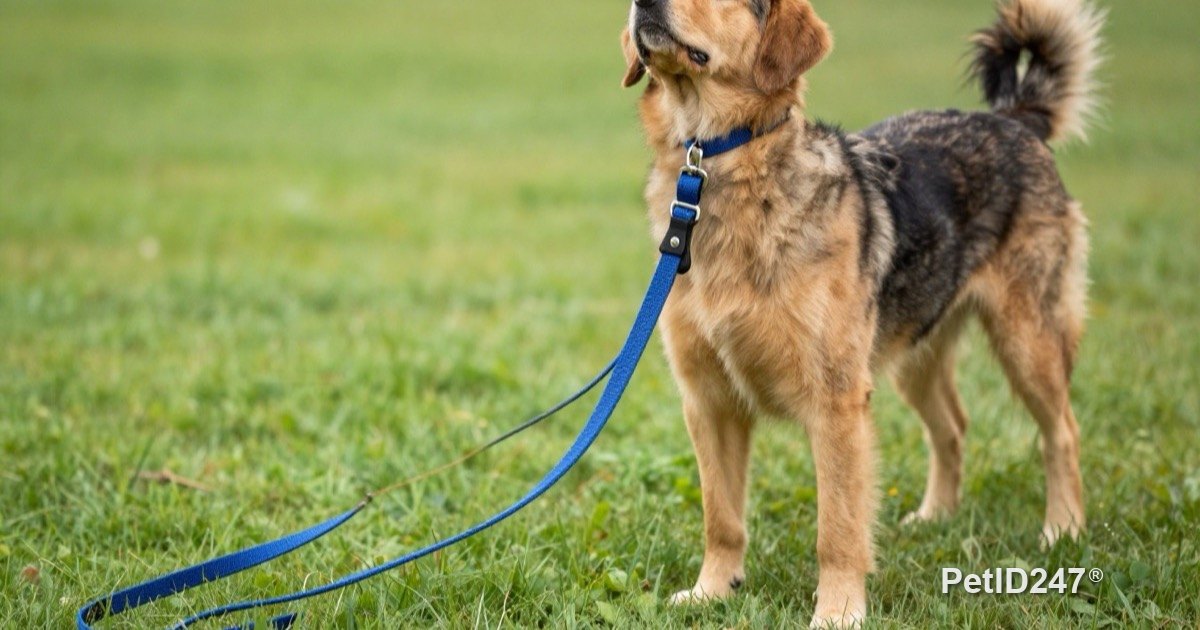
AI-generated illustration
Rescue dogs often carry a difficult past and need time to trust people. Here is how to prepare before adopting and get through the first weeks together.
Adopting a rescue dog gives it a second chance. But unlike a puppy from a breeder, a rescue dog is often an adult that may have been abandoned, lost or mistreated, and its history is usually unknown. Preparing properly in advance makes the move into a new life easier for both of you.
Ask yourself before adopting
Adoption is a commitment of many years. Answer a few questions honestly:
- Time: do you have time every day to walk, play with and train a dog?
- Space: does your home suit the dog's size and energy level? Does your landlord or building management allow dogs?
- Costs: food, vaccinations, deworming, neutering, vet visits and unexpected expenses.
- Household: does everyone agree? Is anyone allergic to dogs, and are there young children or elderly people at home?
- Existing pets: will your current dogs or cats get along with a new dog?
Choose a dog that fits you
Don't choose on looks alone. Ask the rescue group or foster carer plenty of questions:
- What is the dog's personality: shy, energetic or calm?
- Has the dog lived with children, other dogs or cats?
- Is the dog afraid of anything: loud noises, men, people in hats, having its paws touched?
- Has the dog been examined, vaccinated, dewormed and neutered? What paperwork comes with it?
- Does the dog have any chronic illness or special care needs?
If possible, meet the dog a few times and take it for a trial walk before deciding. For first-time owners, a calm adult dog is often easier than a very timid or very high-energy one.
Prepare your home before pickup day
- Basic supplies: food and water bowls, a bed, a collar with an ID tag, a harness, a leash and chew toys.
- Food: ask what the dog currently eats and keep feeding that for the first days, then switch gradually if needed.
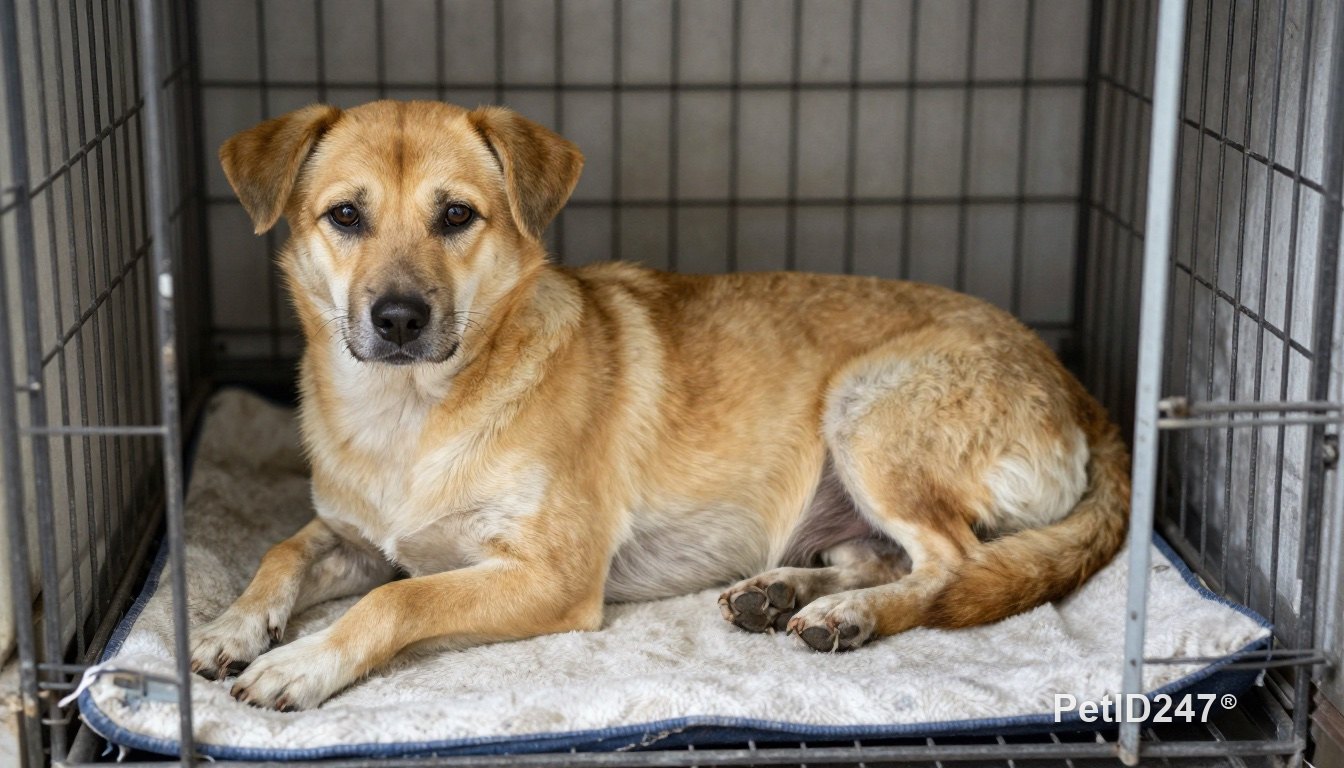
- A quiet corner: a private spot with little foot traffic, perhaps an open crate or a lightly fenced area, so the dog has somewhere to retreat when scared.
- Safety check: fences, gates, windows and balconies; put away electrical cords, chemicals, medicines and foods that are harmful to dogs.
- Agree on house rules: is the dog allowed on furniture, where will it sleep, who walks it, and which cue words will everyone use?
The first weeks: patience is key
Give your dog time to decompress
Many rescue owners talk about the “3 days, 3 weeks, 3 months” way of thinking: in the first few days the dog is overwhelmed and may not eat or may hide; after a few weeks it starts learning the household routine; after a few months its true personality shows. It's only a rough picture and every dog is different, but it reminds you not to judge a dog by its first few days.
Do
- Keep the house calm and limit visitors at first.
- Let your dog approach you on its own terms; don't force hugs or play.
- Set a regular schedule for meals, walks and toilet breaks.
- Take your dog out to the toilet often; many rescue dogs need house training from scratch.
- Use rewards to teach simple cues like sit, wait and responding to its name.
- Always use a leash outdoors; a newly adopted dog can panic and bolt very easily.
Avoid
- Scolding or physically punishing your dog for mistakes or accidents.
- Introducing your dog to lots of people and unfamiliar animals right away.
- Letting your dog roam the yard or street freely before it knows its new home.
Get a vet check early
Within the first few days, take your dog for a general checkup so your veterinarian can look for ticks, fleas, worms, skin problems and dental issues, and plan vaccinations and deworming. Bring all the paperwork the rescue group gave you. If fear or aggression persists, ask your veterinarian for advice and a referral to an experienced behavior-focused trainer.
Summary
Before adopting a rescue dog, think about time, space, costs and whether the whole household agrees. Choose a dog for its personality, not just its looks, and have supplies and a quiet corner ready. In the first weeks, keep a steady routine, be patient, don't force things, and get a vet check early. Trust takes time, but it is usually well worth the wait.
This article was prepared with the help of artificial intelligence tools and reviewed by the PetID247 editorial team before publication. It is for reference only and does not replace an examination by a veterinarian.