What Do Hamsters Eat? A Healthy Basic Diet
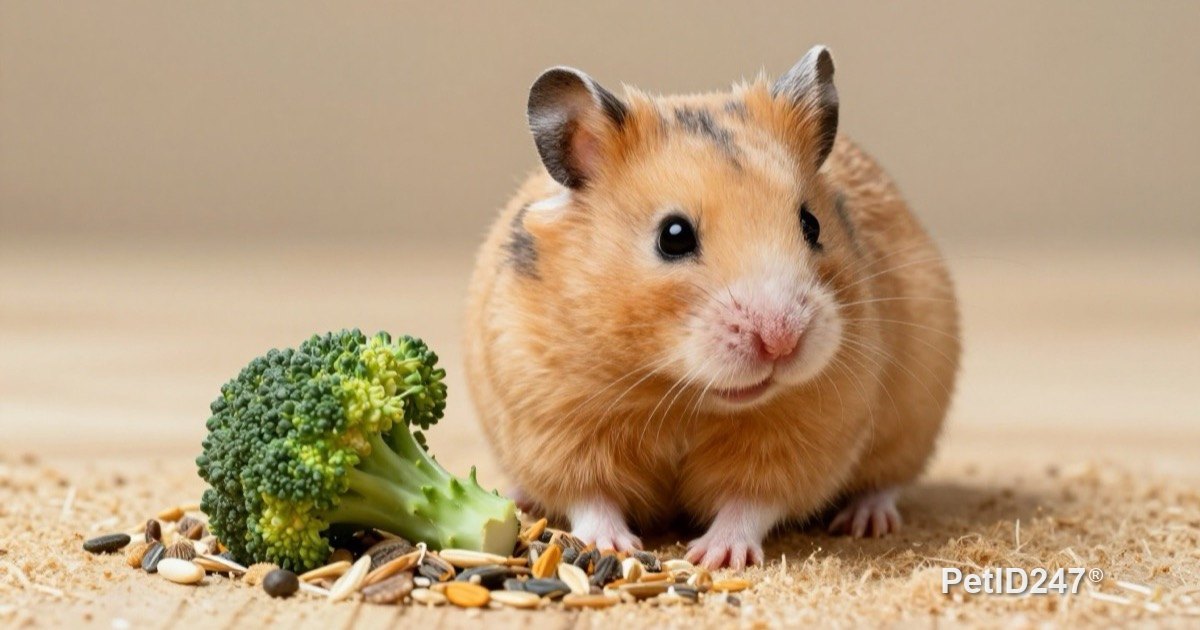
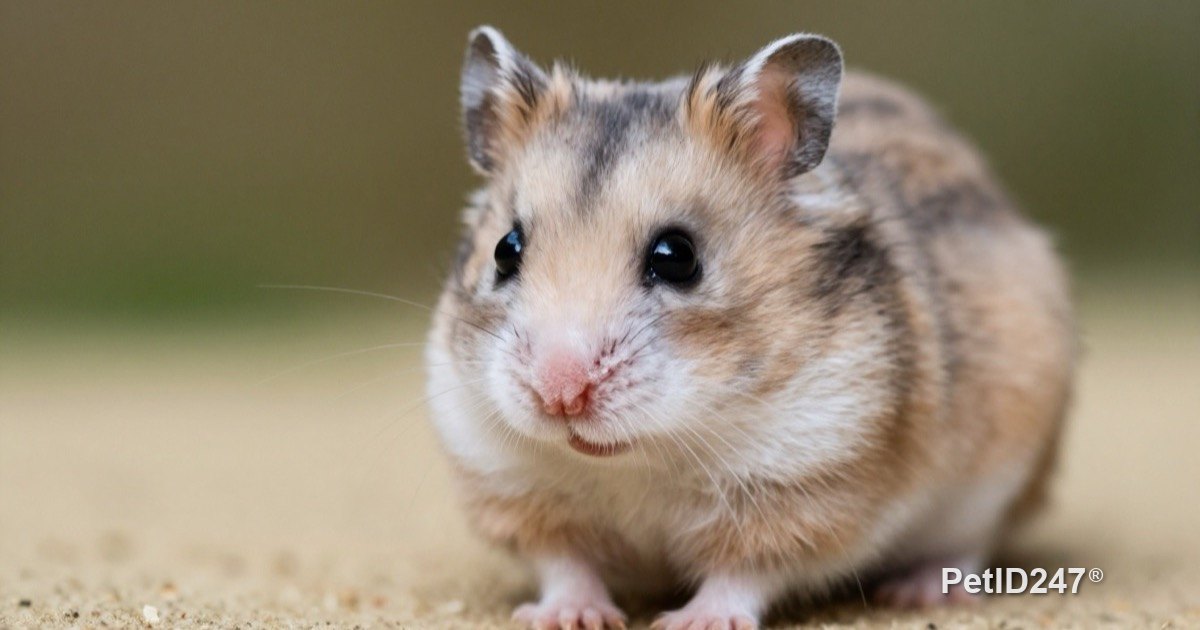
AI-generated illustration
Hamsters need a seed or nugget base, plus fresh vegetables and a little protein. Learn how to build a balanced diet and which foods to avoid.
Hamsters are small, but their nutritional needs are not that simple. Many owners pour out a bowl of sunflower seeds and assume that is enough, yet a diet like that easily leads to obesity and missing nutrients. This guide explains what hamsters need, roughly how much to offer and which foods to keep away from them.
Hamsters are omnivores
In the wild, hamsters eat seeds, grains, roots, young leaves and even small insects. That means they need starch, fiber, fat and protein. A hamster's front teeth grow throughout its life, so hard food and chew items also help keep the teeth worn down evenly.
A good hamster diet usually has three parts:
- Base food: a seed mix or a nugget-style food made specifically for hamsters. This is the main part of the daily diet.
- Fresh vegetables: small amounts, a few times a week or daily depending on the vegetable.
- Extra protein: very little, only occasionally, such as a bit of plain cooked egg or a few mealworms.
Choosing the right base food
Seed mix or nuggets
A seed mix contains various seeds, grains and sometimes dried vegetables, letting the hamster forage and choose as it would in nature. The downside is that hamsters tend to pick out the fatty, tasty seeds first and leave the rest. With nuggets, every piece has the same composition, so the hamster can't be selective. Many owners combine both to get balanced nutrition plus foraging fun.
Read the label before you buy
- Choose food clearly labeled for hamsters; don't share bird or rabbit food.
- Avoid mixes heavy in sunflower seeds, peanuts, brightly dyed pieces or added candy.
- Check the expiry date, smell and dryness. Throw out food that is damp, moldy or smells off.
How much to give depends on the breed and size. Syrian hamsters are much larger than dwarf breeds such as Winter White, Campbell's or Roborovski. A simple approach is to offer a moderate amount and watch for a few days. If the bowl is always empty and the hamster is getting thinner, increase slightly; if lots is left over and the nest is packed with stored food, cut back.
Vegetables, fruit and protein: how to offer them
Good vegetables to offer
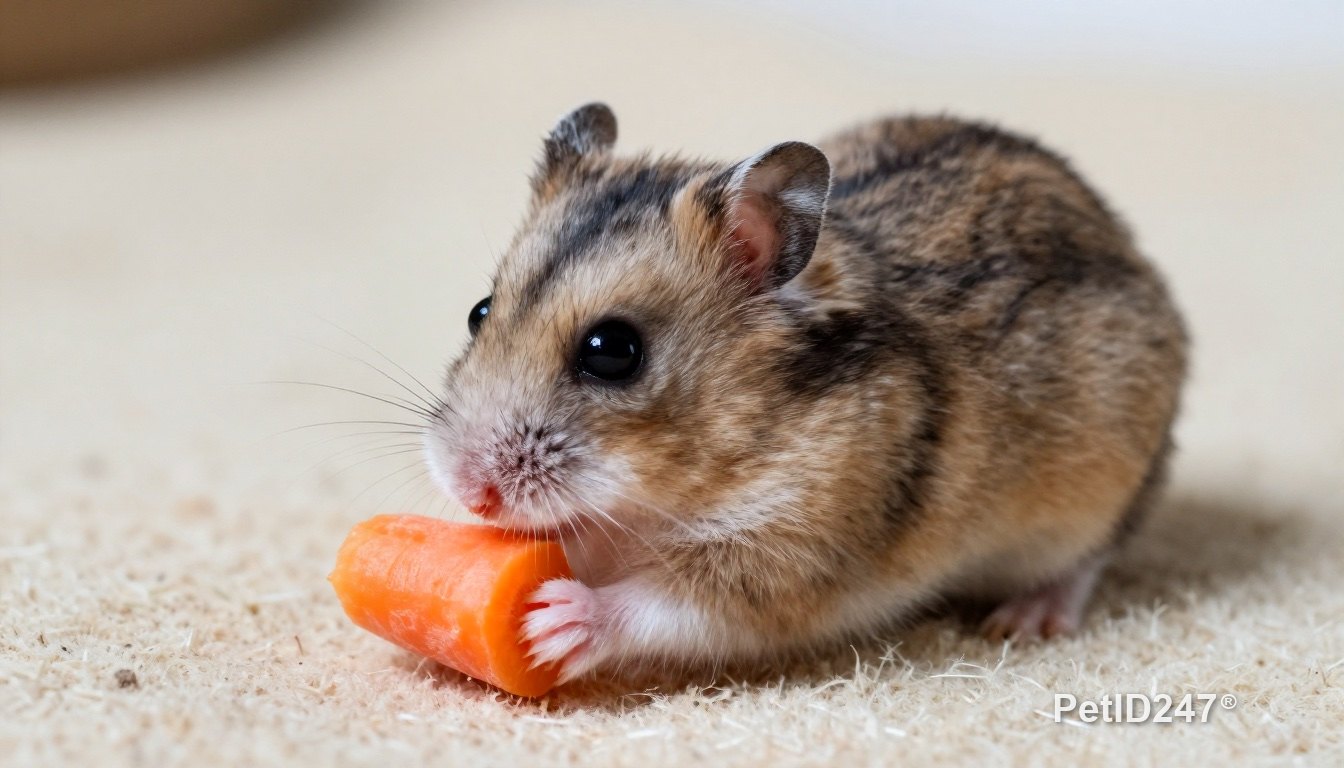
Vegetables commonly given to hamsters include dark green leaf lettuce (not watery iceberg lettuce in large amounts), small amounts of spinach, broccoli, carrot, cucumber, bell pepper and cilantro. Wash, drain and cut into pieces about the size of a fingernail. When introducing a new vegetable, offer a little and check the droppings over the next day or two.
Fruit is only a treat
Fruit is high in sugar. For a Syrian hamster, an occasional small piece of apple (seeds removed) or a thin slice of banana is fine. Dwarf breeds such as Campbell's and Winter White are thought to be prone to diabetes, so many owners keep sweet fruit and sugary treats to an absolute minimum for them.
Extra protein
Cooked egg white or yolk, plain unsalted boiled chicken breast, mealworms or dried crickets can all be used. Give only a tiny piece a few times a week. Too much protein can make a hamster overweight and may affect the kidneys over time.
Foods to avoid and water
Foods not to offer
Some human foods should never be given to hamsters:
- Chocolate, candy, sweets, fried food, salty or seasoned food.
- Onion, garlic, chives and leeks.
- Raw beans, raw potato and bitter-tasting nuts.
- Apple seeds, apricot pits, peach pits and the kernels inside hard pits.
- Citrus fruits, which are acidic and can upset digestion.
- Spoiled food, wilted vegetables or anything left in the fridge too long.
If you are unsure whether a food is safe, don't offer it, and ask a veterinarian who treats small mammals.
Water and food hoarding
Hamsters need clean water at all times. You can use a hanging bottle with a spout or a heavy bowl that is hard to tip over. Change the water daily and check that the bottle spout actually flows, because a stuck spout is a very common reason a hamster goes thirsty without the owner noticing.
Hamsters have cheek pouches and love to carry food back to hide in their nest. Dry seeds are fine, but fresh vegetables, fruit and protein will spoil and grow mold. Check the stash once a day and gently remove leftover fresh food without destroying the whole nest.
When to see a vet
Take your hamster to a veterinarian experienced with small mammals if you notice:
- Not eating, or eating very little, for more than a day, or obvious weight loss.
- Loose droppings and a wet, dirty tail area.
- Overgrown or misaligned front teeth, difficulty chewing or drooling.
- Unusually heavy drinking and urination, especially in dwarf breeds.
- Cheek pouches that stay swollen or smell bad.
Hamsters are very good at hiding illness and can weaken quickly. Spotting changes in eating early is the best way to protect them.
This article was prepared with the help of artificial intelligence tools and reviewed by the PetID247 editorial team before publication. It is for reference only and does not replace an examination by a veterinarian.