What Do Guinea Pigs Eat? Greens and Daily Vitamin C
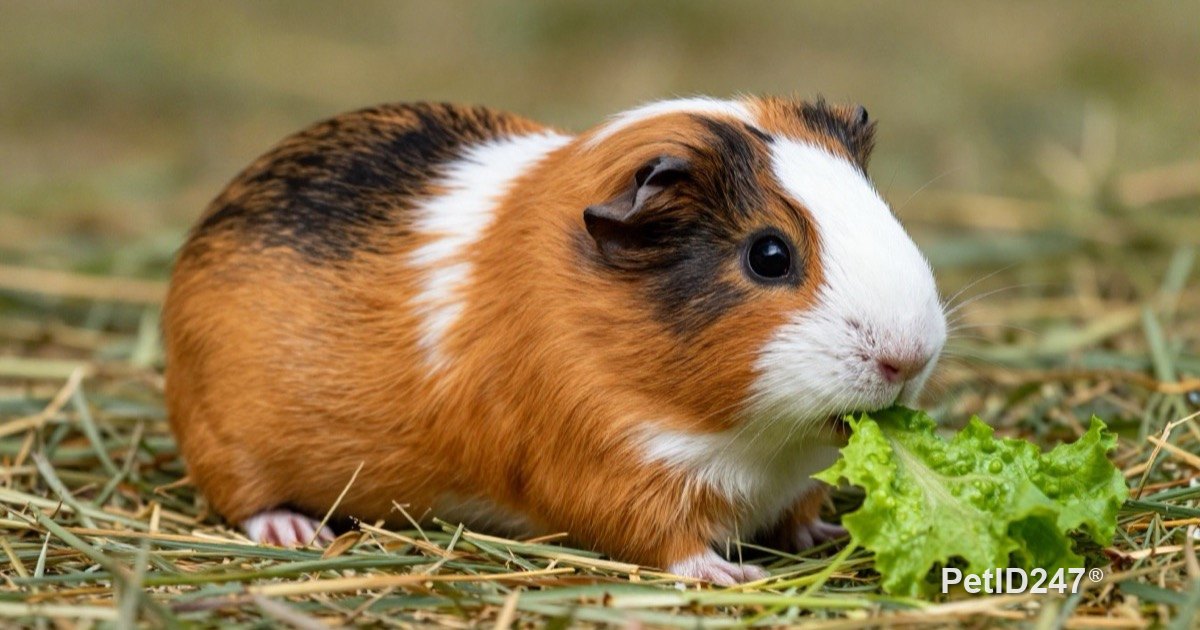
AI-generated illustration
Guinea pigs can't make their own vitamin C, so they need it from food every day. Learn which greens and hay to offer and the signs of vitamin C deficiency.
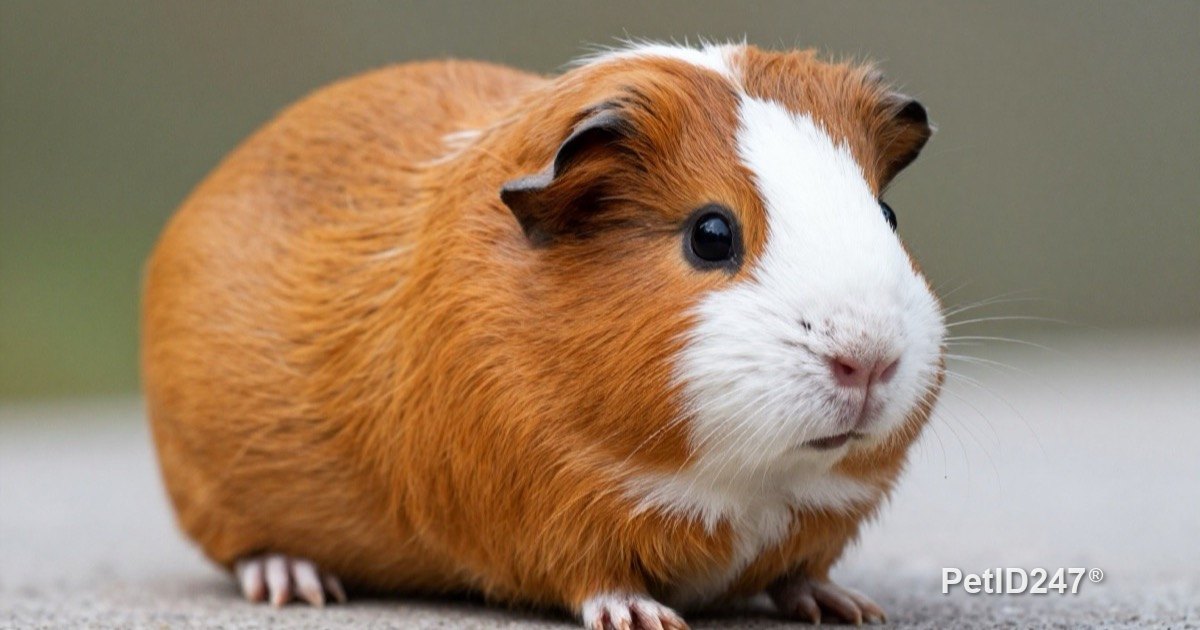
Guinea pigs have a feature many owners don't know about: like humans, they cannot produce their own vitamin C. If their diet lacks vitamin C for a while, they can develop scurvy, with painful joints, bleeding gums and general weakness. This guide helps you build a daily diet with enough fresh greens and vitamin C for your guinea pig.
The foundation of a guinea pig diet
Guinea pigs are strict herbivores. Their digestive system and continuously growing teeth need a lot of fiber. A balanced diet usually includes:
- Unlimited hay: the most important part, keeping digestion moving and wearing down the teeth. Hay should smell fresh, look green and be free of mold and heavy dust.
- Fresh vegetables every day: the main natural source of vitamin C.
- Pellets made specifically for guinea pigs: in moderate amounts. Guinea pig pellets are usually fortified with vitamin C, unlike rabbit food.
- Clean water: changed daily.
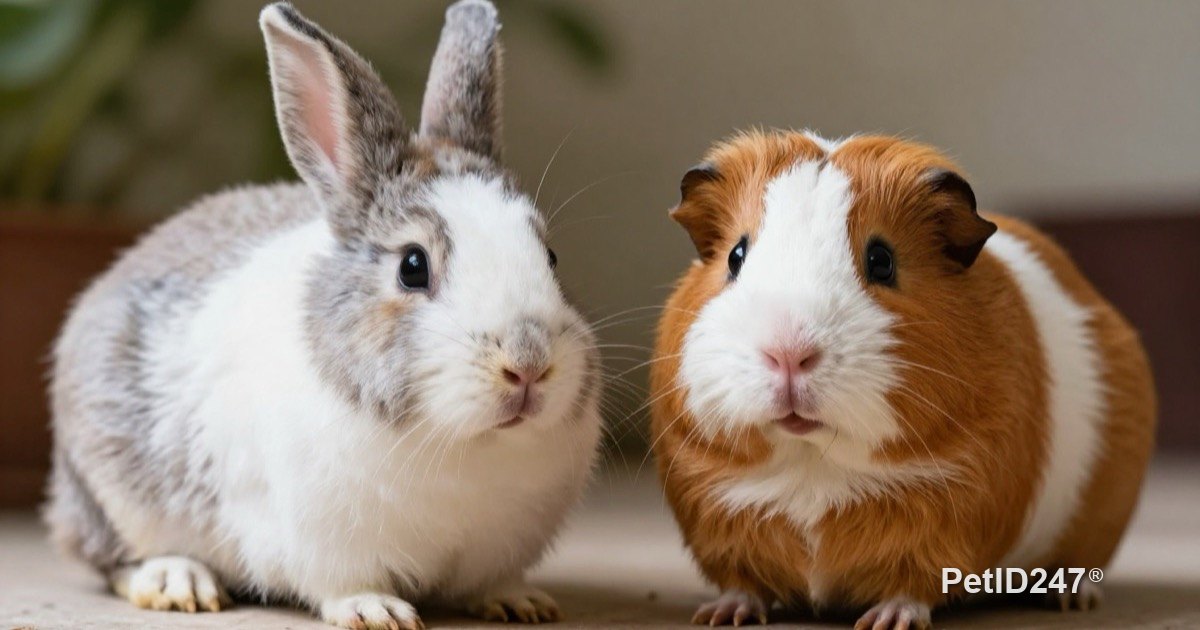
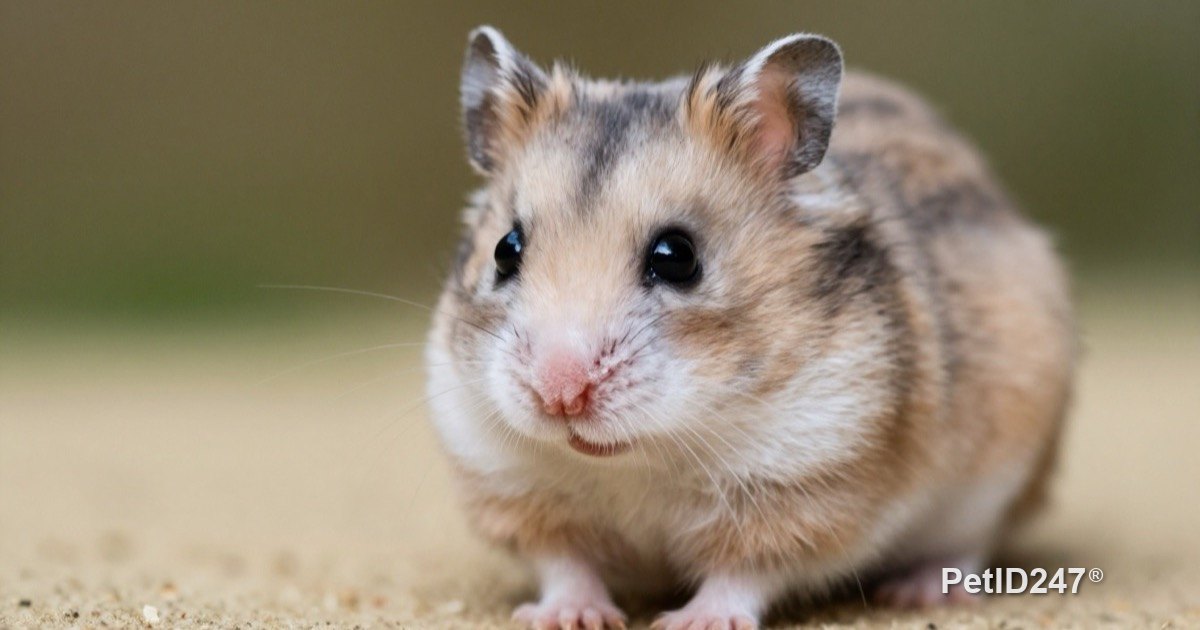
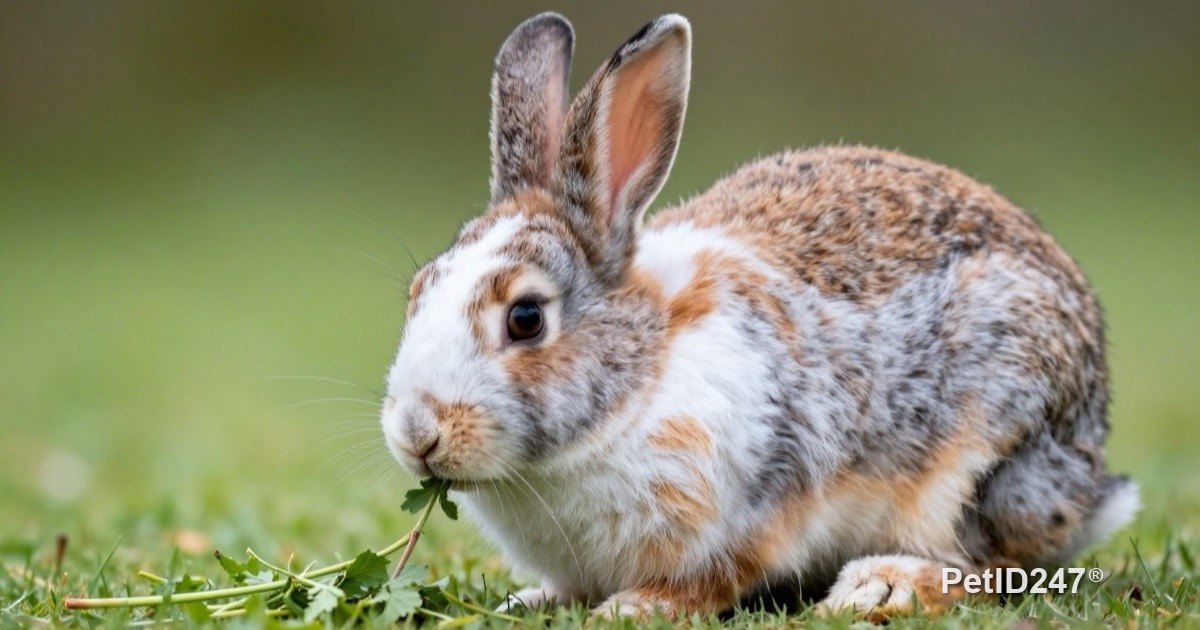
Don't substitute rabbit or hamster food, as these usually lack enough vitamin C and have an unsuitable makeup. For an overview of housing and general care, see our other article on what guinea pigs need to stay healthy.
Vitamin C-rich greens to offer
Fresh vegetables should be given every day, in one or two meals. Commonly used vegetables with a fair amount of vitamin C include:
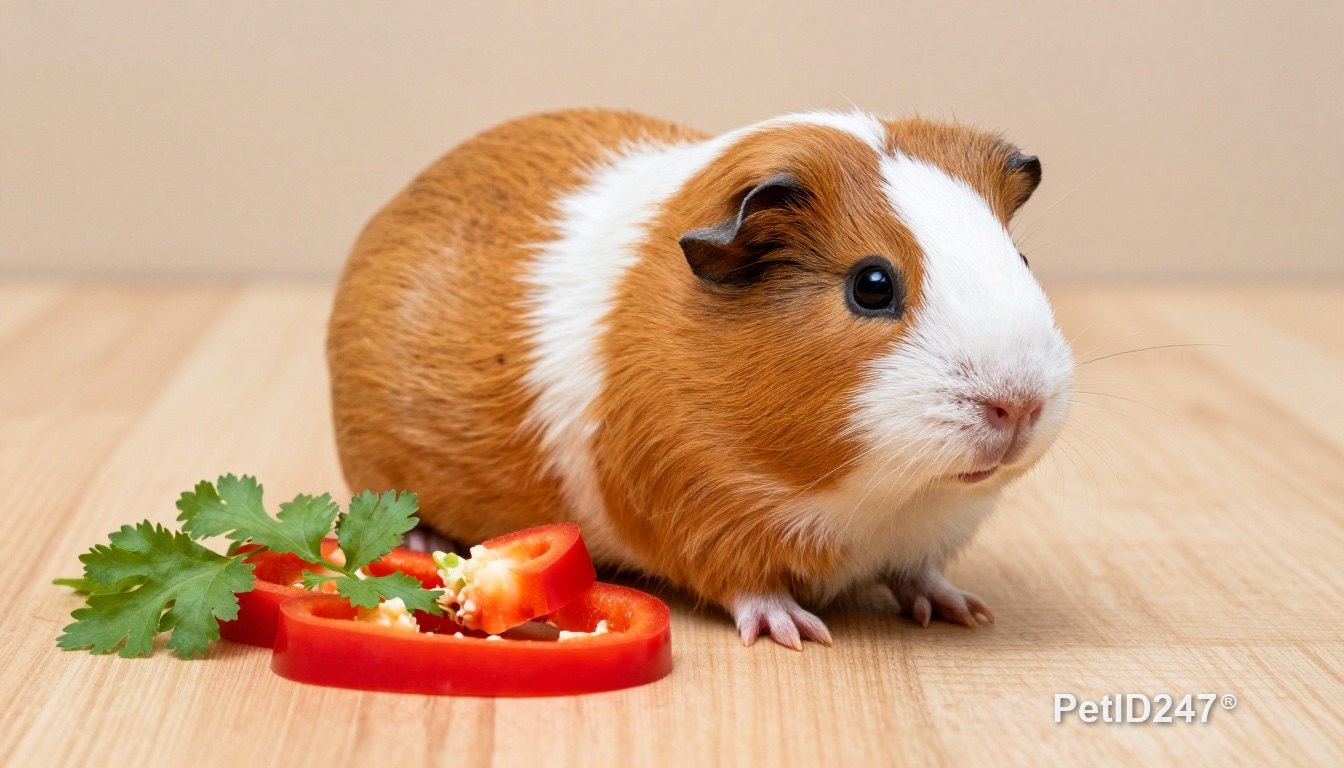
- Bell peppers, especially red and yellow ones (seeds and stem removed).
- Cilantro (coriander leaves).
- Dark green leaf lettuce and red leaf lettuce.
- Broccoli, in small amounts because it can cause gas.
- Kale and parsley, in moderation because they are fairly high in calcium.
- Ripe tomato (flesh only; remove leaves and stems).
Rotate several vegetables through the week rather than relying on one. This helps your guinea pig get a range of nutrients and avoids too much calcium, which is linked to bladder stones in guinea pigs. Wash and drain vegetables and serve them at room temperature, not straight from the fridge.
Vitamin C: what you need to know
Why deficiency happens easily
Vitamin C breaks down with light, heat and time. Pellets that are old, or a bag that has been open for many weeks, may have lost much of the vitamin C stated on the label. Buy only what you will use in a reasonable time, store it sealed in a cool, dry place and watch the expiry date.
About supplements and vitamin water
Many owners add vitamin C to drinking water. This is generally not recommended, because vitamin C breaks down quickly in water, changes the taste and may make the guinea pig drink less. Whether to use a vitamin C supplement, which kind and how, should be as directed by your veterinarian; always read the product label. For a healthy guinea pig, a varied diet of fresh vegetables plus in-date pellets is usually a good foundation.
Signs of vitamin C deficiency
- Lethargy, reluctance to move, limping or swollen joints.
- A rough coat, hair loss, poor skin.
- Bleeding gums and wounds that heal slowly.
- Poor appetite, weight loss, possibly diarrhea.
- Squeaking in pain when picked up or touched.
Foods not to give guinea pigs
- Onion, garlic, chives and leeks.
- Potato, avocado and mushrooms.
- Chocolate, candy, sweets, bread and human breakfast cereals.
- Meat, eggs, milk and dairy products.
- Large amounts of watery iceberg lettuce, which can cause diarrhea.
- Houseplants and grass cut from areas that have been sprayed.
Fruits such as apple (seeds removed), strawberry and kiwi contain vitamin C but are high in sugar, so keep them as small treats a few times a week.
When to see a vet
Take your guinea pig to a veterinarian experienced with small mammals if:
- It stops eating or eats very little for more than half a day. A guinea pig that stops eating can develop serious digestive problems.
- It shows any of the possible vitamin C deficiency signs above.
- Droppings become small, few or stop altogether, or the belly looks bloated.
- It strains to urinate, has blood in the urine or squeaks while urinating.
- Its teeth are overgrown, it drools or struggles to chew.
Don't self-treat with supplements before the cause is known. Many guinea pig illnesses look similar and need an examination to be handled correctly.
Keeping a guinea pig healthy doesn't need to be complicated: unlimited hay, a variety of fresh vegetables every day, in-date pellets and clean water. Watching what your guinea pig eats and weighing it regularly are the simplest ways to catch problems early.
This article was prepared with the help of artificial intelligence tools and reviewed by the PetID247 editorial team before publication. It is for reference only and does not replace an examination by a veterinarian.