Spaying and Neutering Rabbits: Benefits and Aftercare
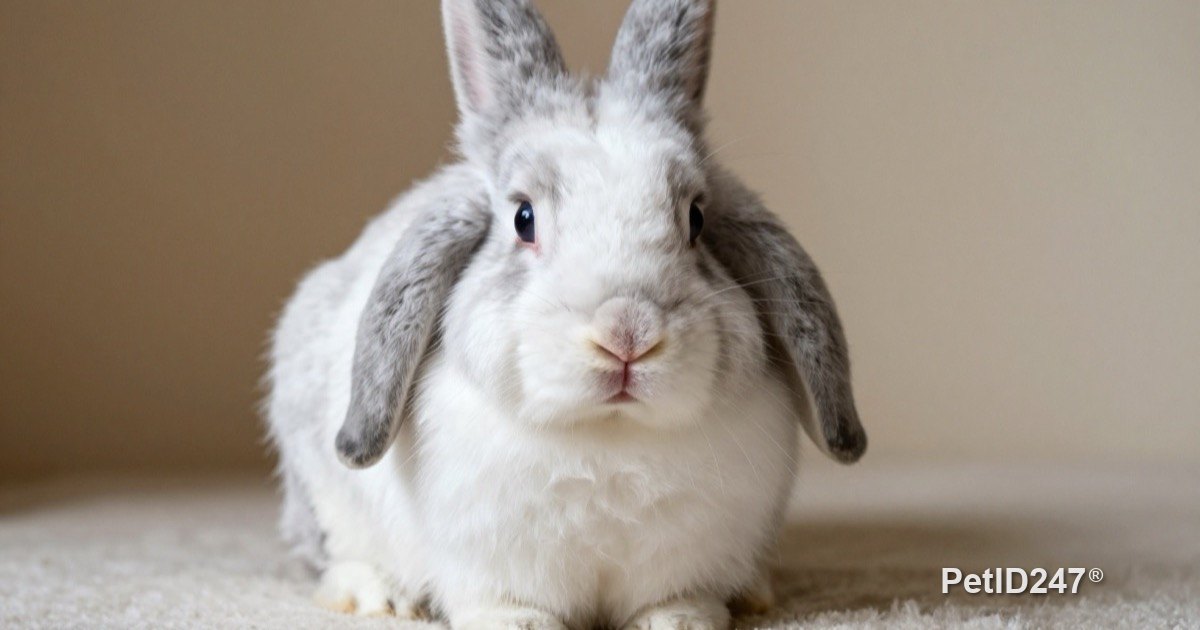
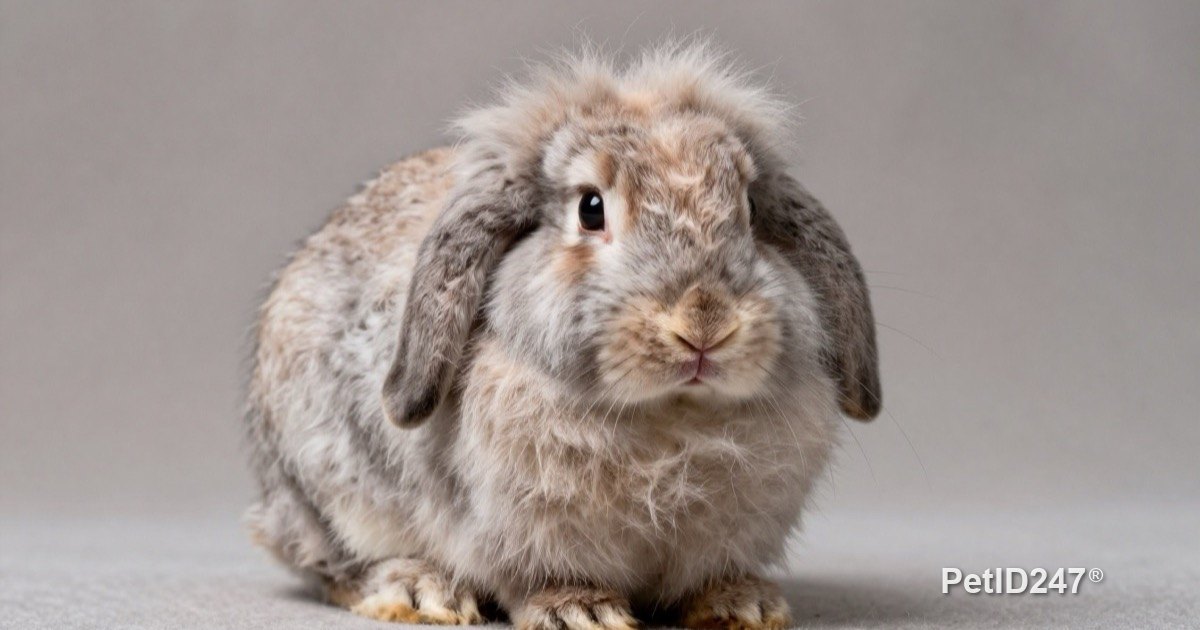
AI-generated illustration
Spaying protects female rabbits from uterine cancer, and neutering curbs aggression and helps litter training. Learn about timing, preparation and post-op care.
Spaying or neutering is one of the most beneficial things you can do for a pet rabbit, and not just to prevent unwanted litters. Fixed rabbits are often healthier, calmer and get along more easily with people and other rabbits. Here's what to know before and after surgery.
Benefits of spaying and neutering
For females
- Unspayed females have a very high risk of uterine cancer as they age. This is the most important health reason.
- Prevents false pregnancies, nest building and repeated fur pulling from the chest.
- Reduces territorial behavior: growling, biting and intense digging.
For males
- Reduces urine spraying around the house.
- Reduces mounting and aggression toward other rabbits and people.
- Prevents testicular disease in later life.
Shared benefits
- Litter training becomes much easier.
- Your rabbit can be bonded with a companion. Rabbits are social animals and are happier with a friend.
- No risk of unplanned litters. Rabbits breed quickly and prolifically.
Timing and pre-surgery preparation
Rabbits are usually fixed once they reach sexual maturity, commonly from about 4–6 months of age onward. The exact timing is decided by your veterinarian based on breed, weight and health. Older rabbits can still be fixed but need a more thorough pre-op check.
- Choose a rabbit-savvy veterinarian. Anesthesia in rabbits differs from cats and dogs and calls for experience.
- Ask clearly about fasting. Rabbits can't vomit and need their gut moving constantly, so they usually are not fasted for long like cats and dogs. Follow your vet's instructions exactly; don't decide on your own.
- Pre-op health check: teeth, heart and lungs, weight. Your vet may suggest blood tests for older rabbits.
- Have ready: a carrier lined with a towel, plus some hay and familiar greens to take along.
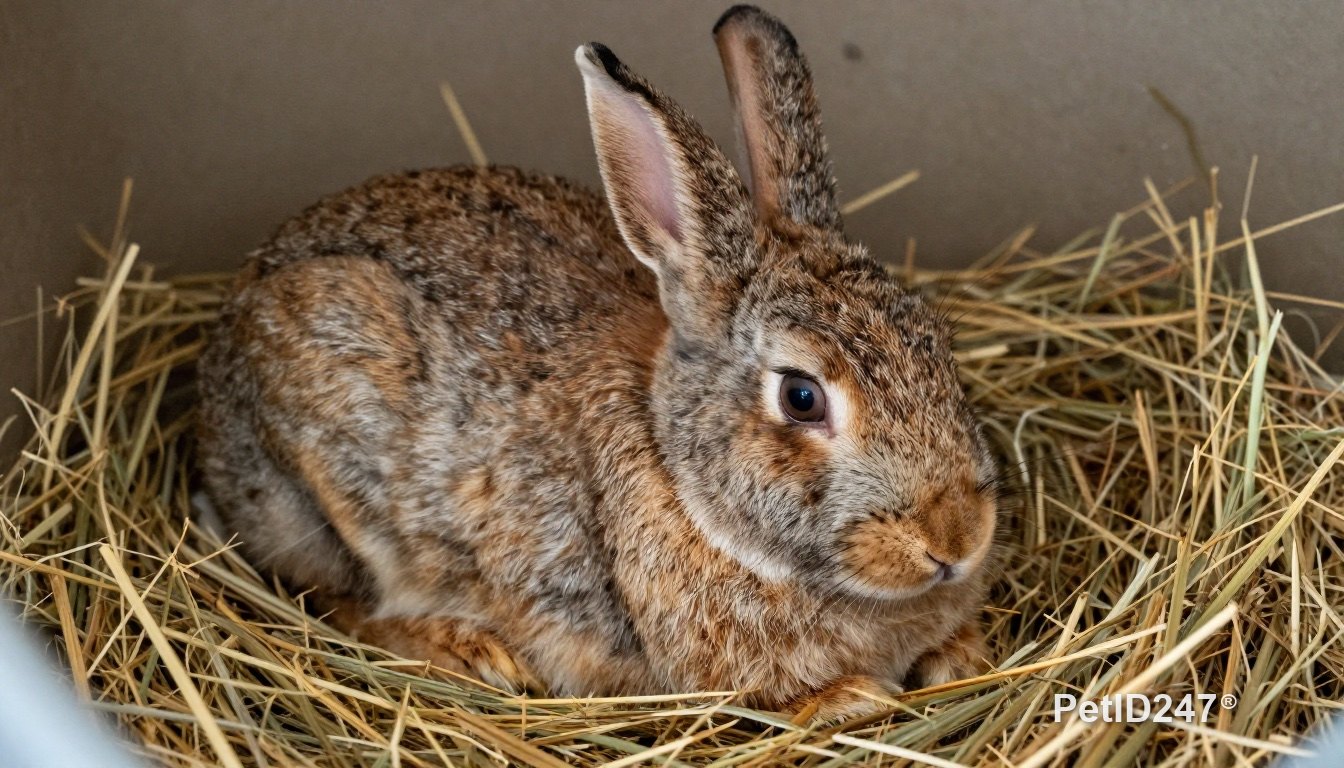
Caring for your rabbit after surgery
The first few days are critical. The most important thing to watch is whether your rabbit starts eating and passing droppings again.
- A quiet, warm, clean space: a small area on a flat floor with nothing high to jump onto. Use soft towels or paper; avoid loose bedding that can stick to the incision.
- Offer food as soon as your rabbit is awake: fragrant hay, familiar leafy greens and fresh water. Your rabbit should eat again within a few hours to half a day.
- Watch the droppings: check for new pellets. Slightly smaller pellets for a day or two can happen, but no droppings at all is a bad sign.
- Pain relief: a rabbit in pain stops eating, which can lead to gut stasis. Give pain medicine only as directed by your veterinarian, read the label carefully, and never use human medicines.
- Check the incision daily: slight pinkness is normal. Don't let your rabbit chew the stitches or lick excessively.
- Limit activity for about one to two weeks as your vet advises, then increase gradually.
An important note for males
A newly neutered male may remain fertile for several weeks. Keep him apart from unspayed females for as long as your vet recommends, usually a few weeks. Marking and mounting also take time to fade; they don't stop right after surgery.
Fixed rabbits can gain weight more easily. Keep hay as the main food, limit pellets and sugary treats, and give your rabbit daily exercise.
When to see a vet
- Your rabbit hasn't eaten anything about half a day to a day after coming home.
- No new droppings, a bloated belly, a hunched posture or teeth grinding.
- The incision is very swollen, oozing pus, bleeding, gaping or smells bad.
- Your rabbit is cold, dull, breathing fast or unresponsive.
- A male has marked scrotal swelling, or your rabbit has chewed open the stitches.
Call the veterinarian who did the surgery right away if you see any of these signs. With rabbits, waiting an extra day can be too late.
This article was prepared with the help of artificial intelligence tools and reviewed by the PetID247 editorial team before publication. It is for reference only and does not replace an examination by a veterinarian. How we write our articles