Rabbit Molting: Grooming Right and Preventing Fur Problems
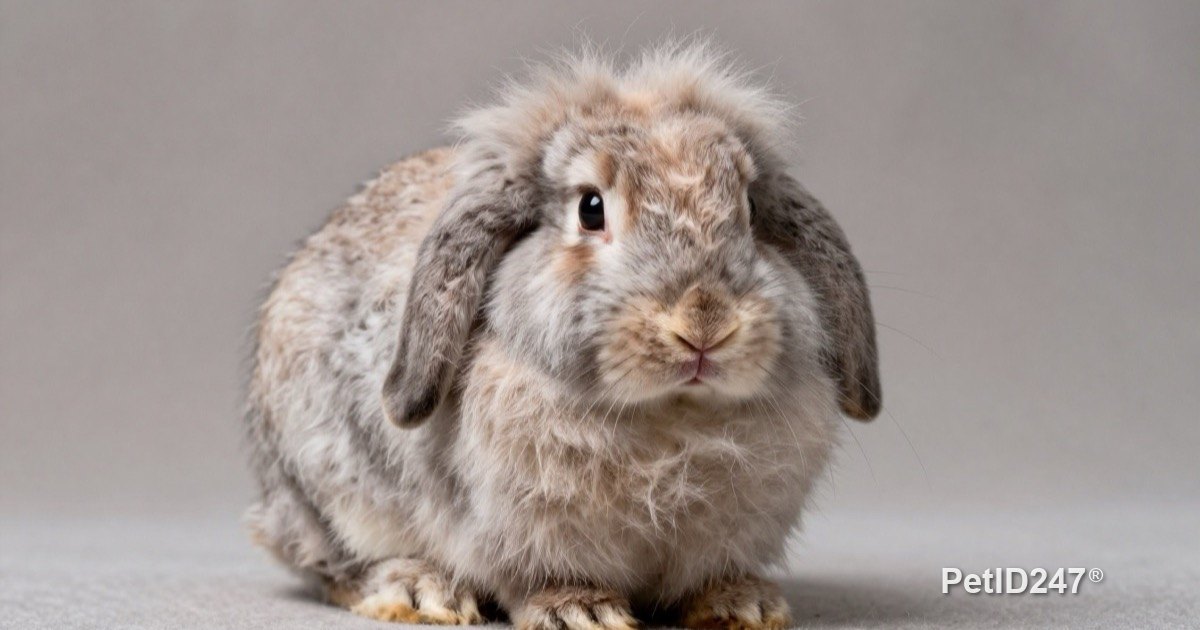
AI-generated illustration
During a molt, rabbits swallow lots of fur while grooming and can't vomit it up. Learn how to brush, feed correctly and spot early signs of a digestive slowdown.
Rabbits are very clean animals that spend a lot of time grooming every day. During a molt, the amount of fur they swallow shoots up. Unlike cats, rabbits can't vomit, so fur has only one way out: through the gut. Regular brushing and the right diet are key to getting your rabbit safely through molting season.
How rabbits molt
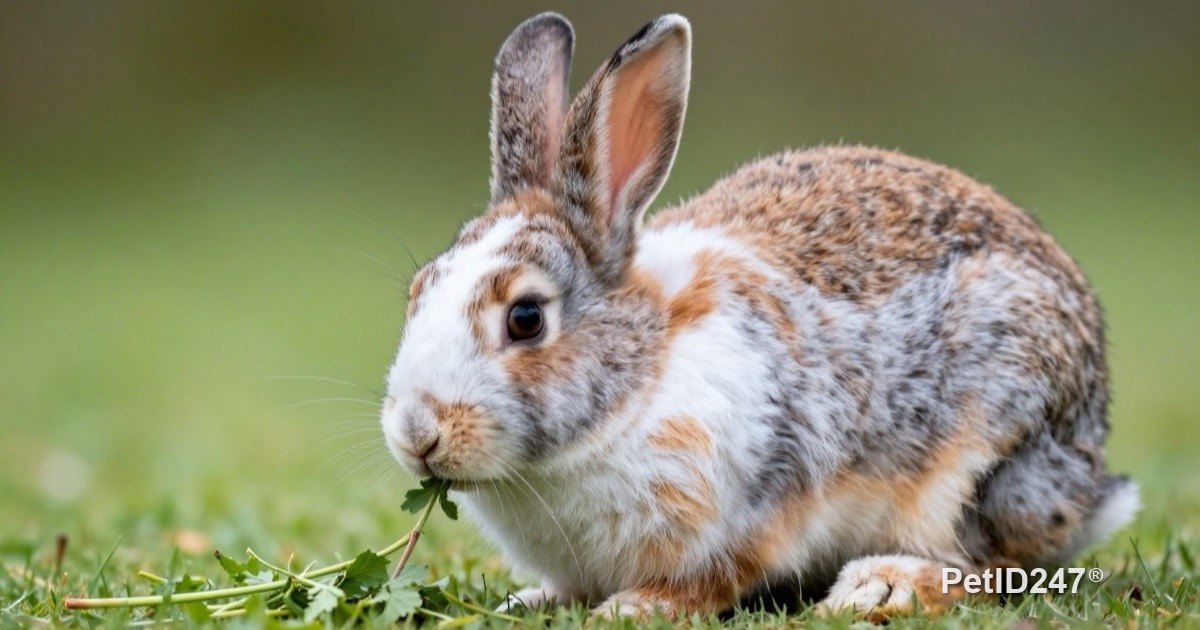
Most rabbits molt a few times a year, often when the seasons change. Some shed gradually; others drop masses of fur over a few days, revealing patches of shorter new fur or a clear "molt line" between old and new coat. Long-haired and older rabbits often find it harder to manage their coat themselves.
Signs of molting: lots of fur coming away when you stroke your rabbit, fur in the enclosure and patchy, uneven areas of coat. The skin underneath should still be pink and clean, not red or scaly.
Why swallowed fur is dangerous
Normally, swallowed fur passes out in the droppings thanks to the large amount of fiber from hay. During a molt you may see droppings strung together with fur like a string of beads. However, when a rabbit eats too little hay, drinks too little, exercises less or is stressed, the gut slows down. Fur and food can clump together and contribute to gastrointestinal stasis, a dangerous condition in rabbits.
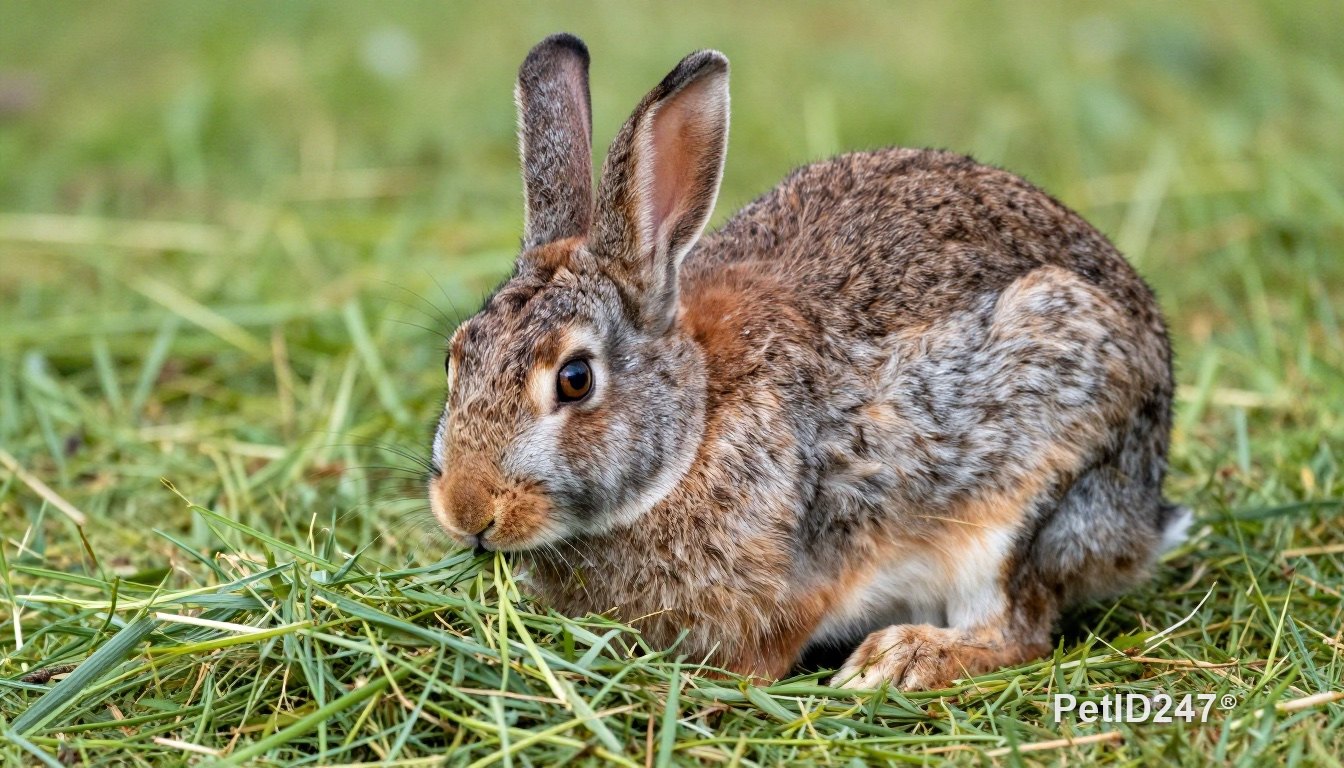
Brushing the right way
- How often: during a molt, brush daily as a guide; long-haired rabbits may need brushing more than once a day. Outside molting season, a few times a week.
- Tools: a wide-toothed comb for the outer coat, and a fine-toothed comb or rubber grooming glove for loose undercoat. Be gentle, as rabbit skin is very thin and tears easily.
- Position: let your rabbit sit on the floor on a non-slip towel; don't flip it onto its back.
- Remove dead fur gently: when shedding is heavy, you can ease out loose tufts with your fingers. Never pull hard.
- Don't bathe your rabbit to remove fur: rabbits panic easily, can get chilled, and wet fur is even harder to brush.
- Clear shed fur from the enclosure and play area daily so your rabbit doesn't nibble it.
- Move slowly, speak softly and reward with a fresh herb leaf after each session so your rabbit gets used to it.
Diet and exercise to move fur through
- Unlimited hay, always fresh and fragrant, making up most of the diet.
- Washed leafy greens add moisture and fiber.
- Clean water always available, checked several times a day.
- Limit pellets and sweet treats according to the label and your vet's advice.
- Let your rabbit run and hop every day to keep the gut moving.
- Don't give laxatives or cat "hairball remedies" on your own; any product should be used only as directed by your veterinarian.
Rabbits that can't groom themselves
Overweight, elderly or arthritic rabbits, and those with dental problems, often can't reach their back or rear to clean themselves. Fur there easily becomes matted and soiled with droppings, and in warm weather it can attract flies that lay eggs, causing very dangerous skin damage. Check your rabbit's rear every day, brush gently and keep it dry. If fur is matted tight against the skin, don't cut it with scissors, as rabbit skin is thin and easily cut; ask your vet for help.
When to see a vet
- Your rabbit stops eating or eats much less, even favorite foods: for rabbits this is an emergency and needs a vet the same day.
- Your rabbit passes no droppings, or small, dry and far fewer droppings than usual, for several hours.
- Your rabbit sits hunched, grinds its teeth, has a hard, bloated belly or stays still in one place.
- Bald patches, red or scaly skin or heavy itching: this may be skin parasites or fungus rather than a normal molt.
- Your rabbit molts nonstop, for an unusually long time, or loses weight.
This article was prepared with the help of artificial intelligence tools and reviewed by the PetID247 editorial team before publication. It is for reference only and does not replace an examination by a veterinarian. How we write our articles