Rabbits in Hot Weather: Preventing Heatstroke
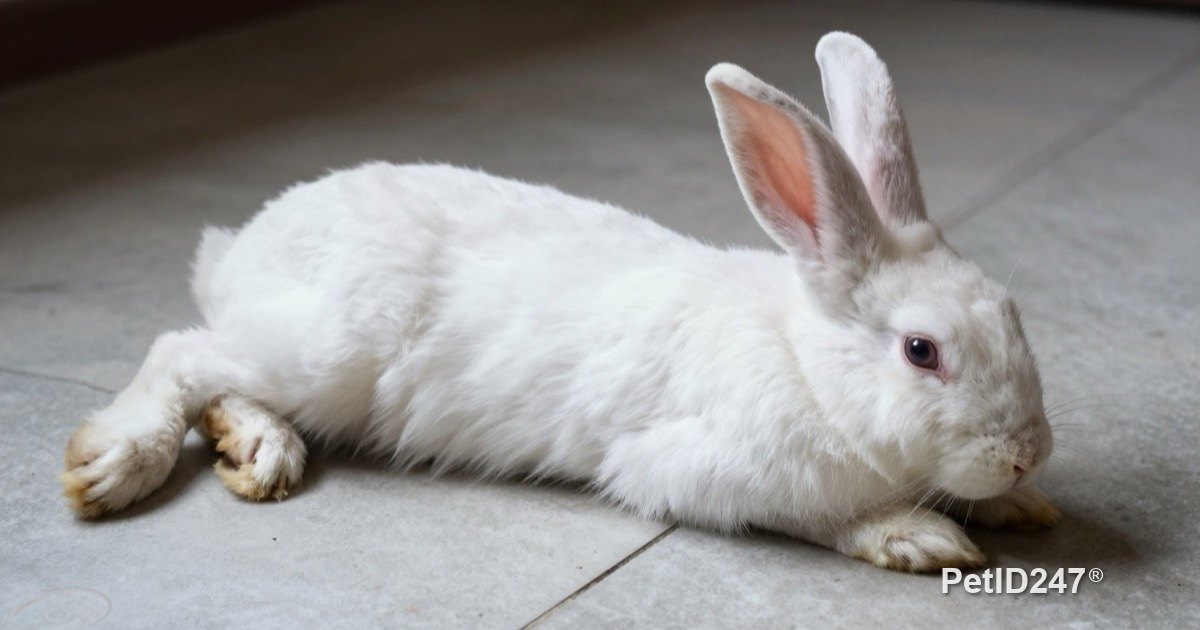
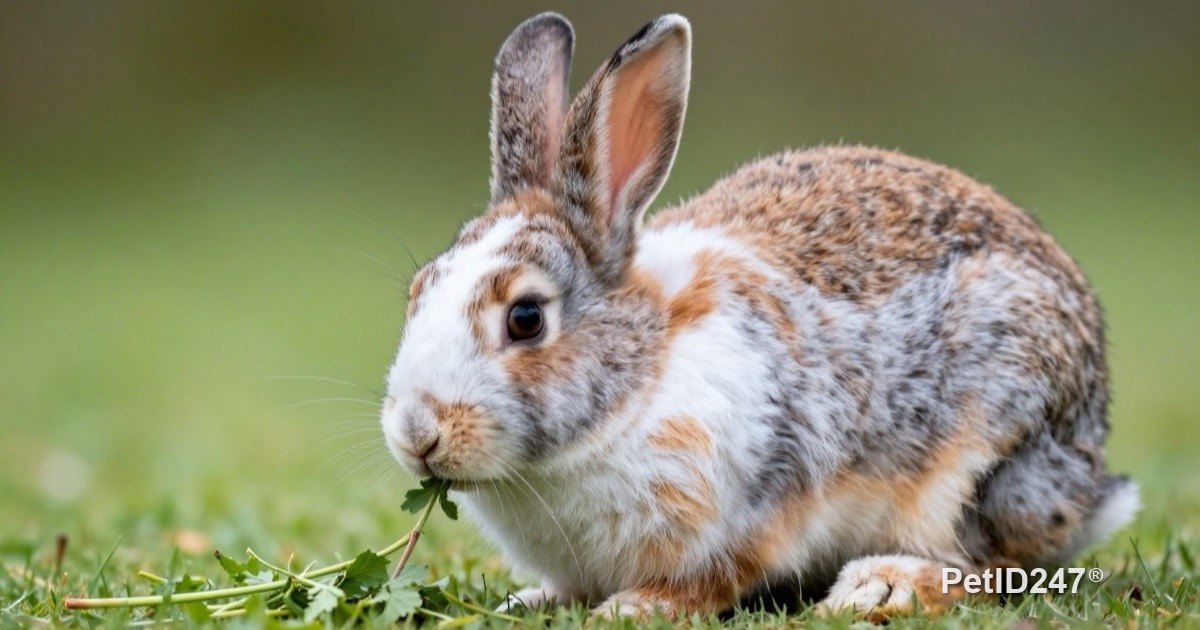
AI-generated illustration
Rabbits cope poorly with heat and can develop heatstroke quickly on hot days. Learn how to keep the enclosure cool, spot early signs and give first aid on the way to the vet.
Rabbits have thick fur and barely sweat, so they handle cold much better than heat. In hot, humid climates, summer is when rabbits are most at risk of heatstroke, a condition that can be life-threatening. Preparing ahead and knowing the early signs will help your rabbit get through hot spells safely.
Why rabbits get heatstroke easily
Rabbits lose heat mainly through their ears and by breathing. When the surrounding air is too hot, these methods aren't enough to cool the body. By common recommendations, rabbits are most comfortable at around 15–21°C (59–70°F); from about 27–28°C (81–82°F) upward, especially with high humidity and poor ventilation, the risk of heatstroke rises sharply. These figures are only a guide.
Rabbits at higher risk include:
- Long-haired, overweight, elderly or very young rabbits.
- Sick rabbits, especially those with respiratory or heart problems.
- Rabbits housed outdoors, in attics, on balconies or in direct sunlight.
- Rabbits shut in small, poorly ventilated carriers during car journeys.
Keeping your rabbit cool in hot weather
Housing
- Keep the enclosure indoors in a cool, well-ventilated room, out of direct sun and away from glass doors facing the afternoon sun.
- If the hutch is outdoors, it must be shaded all day, even as the sun moves.
- Use a fan to keep air moving, but don't point it straight at your rabbit all the time. Air conditioning helps a lot on very hot days.
- Never leave a rabbit in a car, even for a few minutes.
Cooling safely
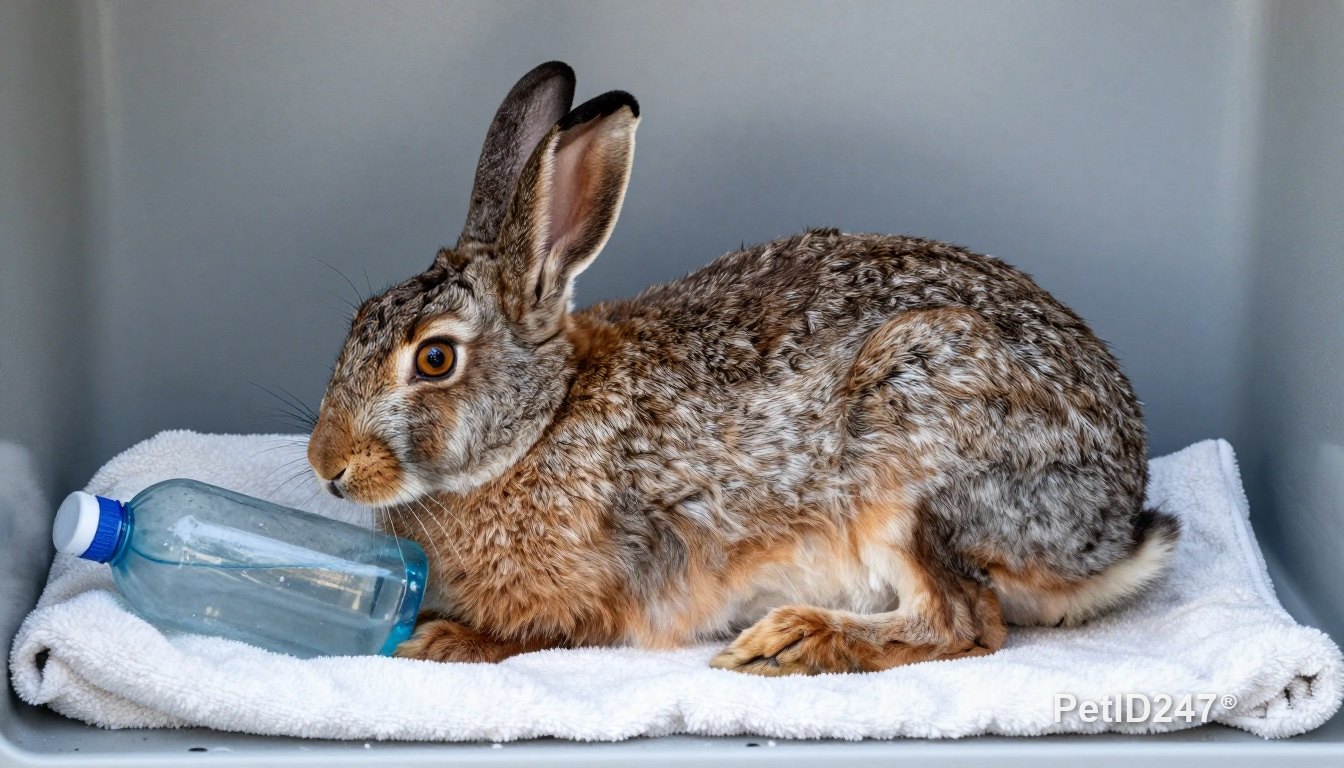
- Frozen water bottles: wrap in a thin towel and place in the enclosure so your rabbit can lean against them if it wants. Swap for a new one once it has melted.
- Ceramic or stone tiles: chill them first, then place them in the enclosure as a cool resting spot.
- Regular brushing: removing dead fur, especially during molts, helps the coat breathe.
- Always plenty of cool water: you can offer both a bowl and a bottle, refreshed several times a day.
- Washed greens, still slightly damp: give your rabbit extra moisture.
Things to avoid
- Don't bathe or dunk your rabbit in water to cool it. This frightens rabbits, the fur takes a long time to dry, skin problems can follow and it may cause shock.
- Don't put ice directly on your rabbit's body.
- Don't shave your rabbit without asking your veterinarian; rabbit skin is thin and very easily injured.
- Don't let your rabbit play outdoors in the midday heat; choose early morning or late afternoon.
Signs of heatstroke in rabbits
- Fast, shallow breathing with strongly flaring nostrils.
- Mouth breathing: rabbits normally breathe through the nose. Open-mouth breathing is a very serious sign.
- Red ears that feel clearly hot to the touch.
- Dullness, lying stretched out, weakness, slow reactions.
- Drooling and a wet mouth.
- Unsteady walking, trembling, seizures or unconsciousness.
First aid if you suspect heatstroke
- Call your veterinarian right away and get ready to take your rabbit in.
- Move your rabbit to a cool, shaded, well-ventilated place.
- Dampen the ears with a cloth soaked in cool water, not ice-cold water.
- Let your rabbit lie on a cool damp towel or a cool tile; offer water if it's alert and can drink by itself, but don't pour water into its mouth.
- Keep a fan blowing gently in the room and keep things quiet.
- Don't cool too quickly. Even if your rabbit seems better, it still needs a vet check, because heatstroke can cause internal damage.
When to see a vet
- Your rabbit is breathing through its mouth, dull, trembling, having seizures or unconscious: go to an emergency vet right away.
- Your rabbit has had first aid and seems to have recovered: it still needs a same-day check.
- After hot days, your rabbit stops eating, poops less, or hasn't pooped for around half a day. Heat stress can lead to gut stasis.
- A dirty bottom, or flies around the rear. In hot weather flies can lay eggs on soiled skin, causing flystrike, which is very dangerous.
This article was prepared with the help of artificial intelligence tools and reviewed by the PetID247 editorial team before publication. It is for reference only and does not replace an examination by a veterinarian.