Litter Training a Rabbit, Step by Step
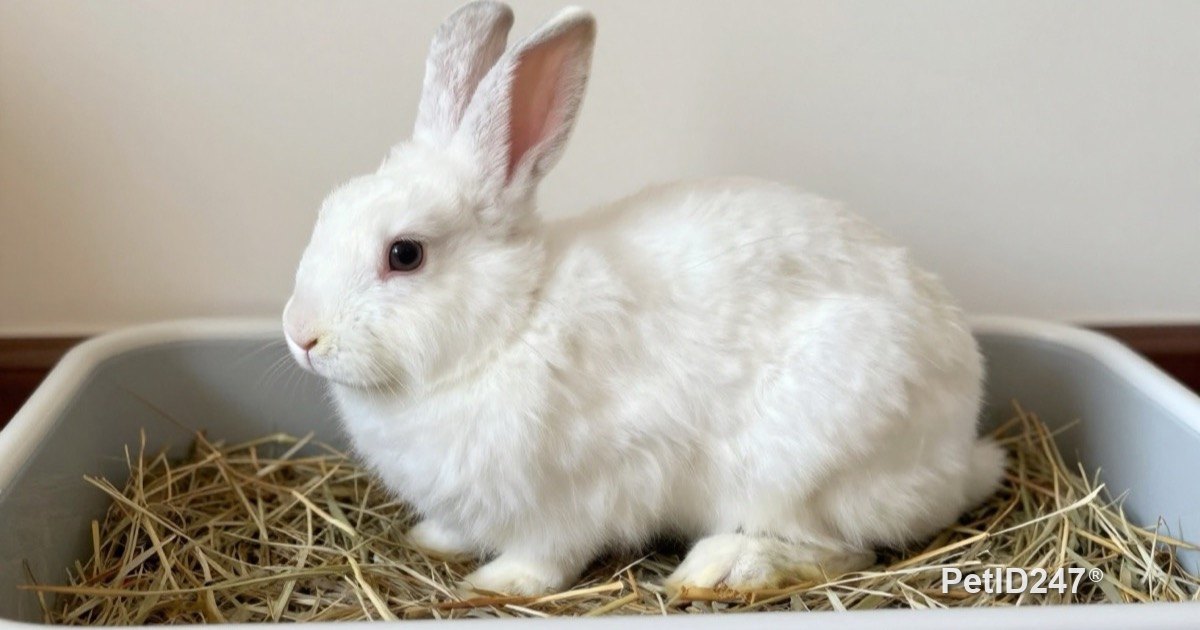
AI-generated illustration
Rabbits naturally toilet in favorite corners, so they're fairly easy to litter train. Learn how to pick a tray, safe bedding and patient steps, with no scolding.
Many people are surprised to learn that rabbits can use a litter tray much like cats. Rabbits naturally choose one or two regular corners to pee and poop, so you just need to put the tray where your rabbit has chosen and be patient. A litter-trained rabbit means a cleaner enclosure and makes free-roaming time indoors much easier.
Understanding rabbit toilet habits
- Rabbits usually urinate in one or two familiar corners, often away from where they sleep.
- Rabbits tend to poop while they eat hay, so putting hay right next to the tray is a very effective trick.
- Scattering a few droppings around is sometimes territory marking, especially in a new place or when other rabbits are around. It usually decreases as the rabbit settles in.
- Rabbits eat a special soft, shiny type of dropping, usually produced at night or early morning. This is normal and essential for digestion, so don't stop it.
- Unneutered rabbits, especially as they reach maturity, tend to mark territory with urine more. Neutering often makes training noticeably easier; ask your vet about the right timing.
Preparing the tray and bedding
Choosing a tray
- Big enough for your rabbit to lie fully inside and turn around comfortably.
- A low entry side for easy access, with higher sides elsewhere to reduce urine splashing.
- Corner trays work in small enclosures, but a wide rectangular tray is usually easier to use.
Safe bedding
- Good choices: recycled paper granules or shreds, paper-pulp bedding, or old newspaper topped with hay.
- Avoid: clumping cat litter, which rabbits may eat and which can cause blockages; scented litter; and untreated pine or cedar shavings, whose wood oils may affect the airways and liver.
- Put a handful of clean hay on top of the bedding, or hang a hay rack right above the tray.
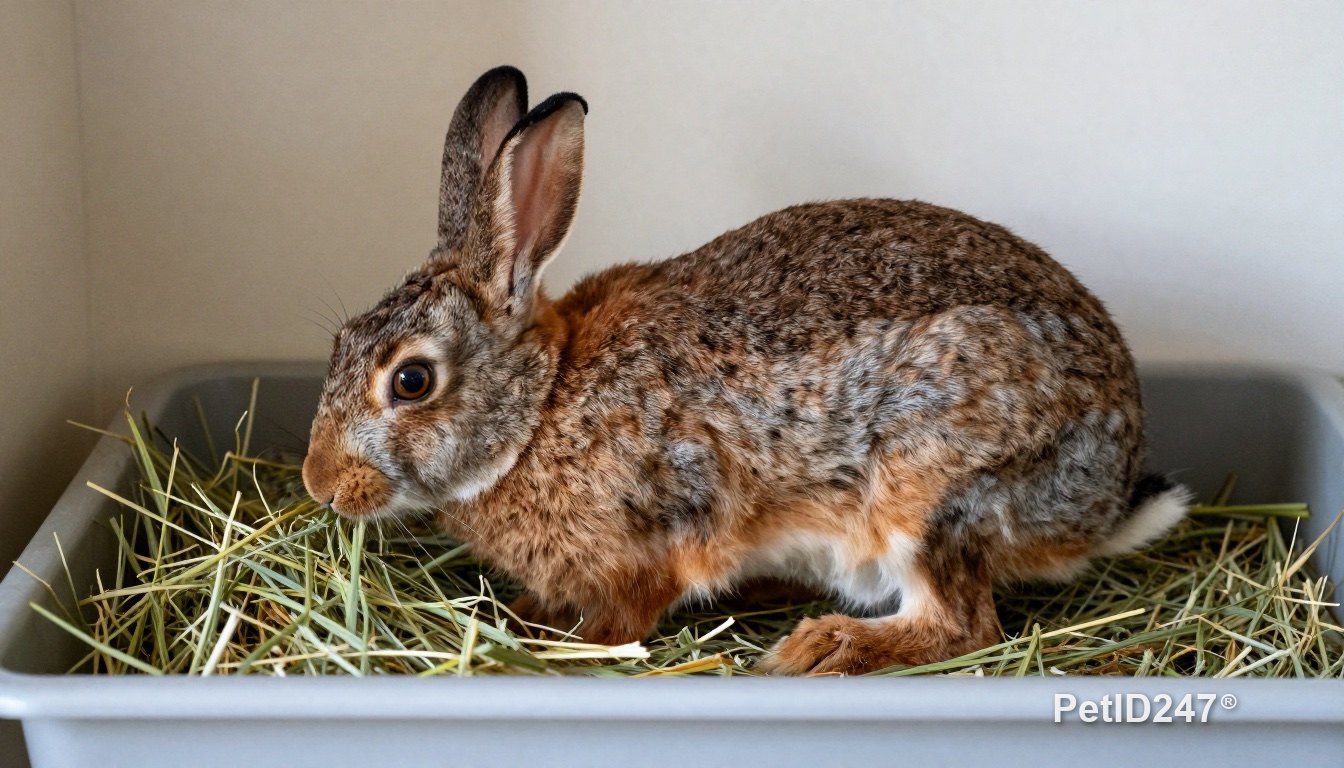
Steps to litter train your rabbit
- Start in a small space: keep your rabbit in its hutch or pen at first. Watch which corner it uses and put the tray right there.
- Put hay in the tray: so your rabbit wants to sit there to eat and toilets there at the same time.
- Move stray droppings into the tray: when you find droppings outside, put them in the tray so the scent reminds your rabbit where to go.
- Clean up accidents well: blot up urine, then wipe with diluted white vinegar to remove the smell. Any lingering odor will draw your rabbit back to that spot.
- Expand gradually: once your rabbit reliably uses the tray in its enclosure, give it a larger area. Add another tray in any corner it chooses outside the enclosure.
- Reward: when you see your rabbit using the tray, praise it softly and perhaps offer a favorite leafy green.
Never shout at, hit or push your rabbit's nose into an accident. Rabbits don't understand what they're being punished for; they just become afraid of you and more stressed, which makes training harder.
Keeping the tray clean
- Replace the hay in the tray daily and remove wet parts.
- Change all the bedding and wash the tray regularly, every few days as a guide depending on the number of rabbits and tray size.
- Rabbit urine can leave white scale on the tray; soak it in diluted white vinegar, then rinse well.
- While your rabbit is still learning, don't scrub away every trace of scent; leaving a few droppings helps it recognize the tray.
Summary
- Place the tray in the corner your rabbit chooses, with hay beside or on top of it.
- Use paper-based bedding; avoid clumping cat litter and pine or cedar shavings.
- Start small, expand gradually, reward and never punish.
- Neutering often helps rabbits use the tray more reliably.
- If a previously well-trained rabbit suddenly starts having accidents, urinates often, strains, passes blood or has a wet, dirty bottom, see a vet, as these can be signs of illness.
This article was prepared with the help of artificial intelligence tools and reviewed by the PetID247 editorial team before publication. It is for reference only and does not replace an examination by a veterinarian.