Lethargic Bearded Dragon Not Eating: Causes and Fixes
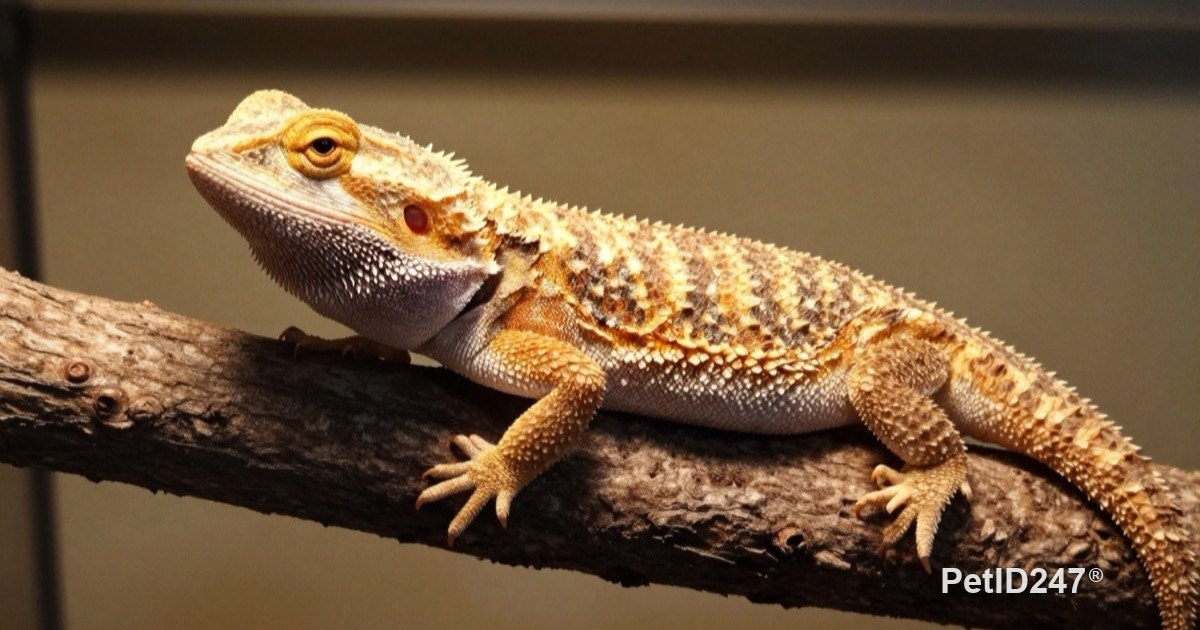
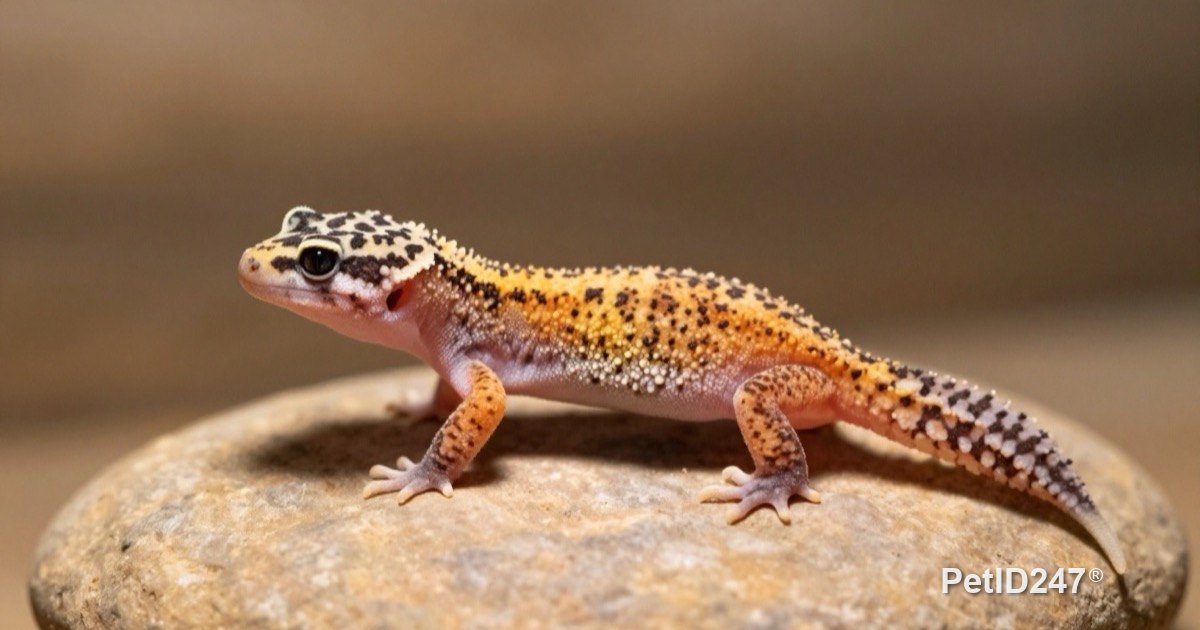
AI-generated illustration
A bearded dragon that lies in one spot and eats little may be affected by heat, lighting, a natural rest period or illness. Learn to check each factor and know when to see a vet.
Bearded dragons are normally quite active: basking, roaming the enclosure and chasing insects. When a dragon lies in one spot, keeps its eyes closed and turns down food, check things right away. Most causes come down to temperature and lighting, but some illnesses need a veterinarian.
Check the temperature first
Bearded dragons need a hot basking spot to digest and stay active. A basking spot that isn't hot enough is the top reason for a poor appetite.
- Measure the surface temperature right where your dragon basks, not just the air temperature.
- Make sure there's a clear gradient: a hot end for basking and a cool end for resting.
- The enclosure can be cooler at night, but not too cold for the species.
- Use a thermostat and check that the heat bulb still lights and heats.
Check the UVB lighting
Bearded dragons need UVB to make vitamin D3 and absorb calcium. A long-term lack of UVB leads to metabolic bone disease, leaving the dragon weak and inactive.
- UVB bulbs lose effectiveness over time even while still glowing. Replace them as the manufacturer recommends.
- Glass or acrylic between the bulb and the dragon blocks most UVB.
- The distance from the bulb to the basking spot should follow the product label.
- Keep a steady day-night light cycle. See our article on UVB for reptiles for setup details.
Natural causes
Brumation
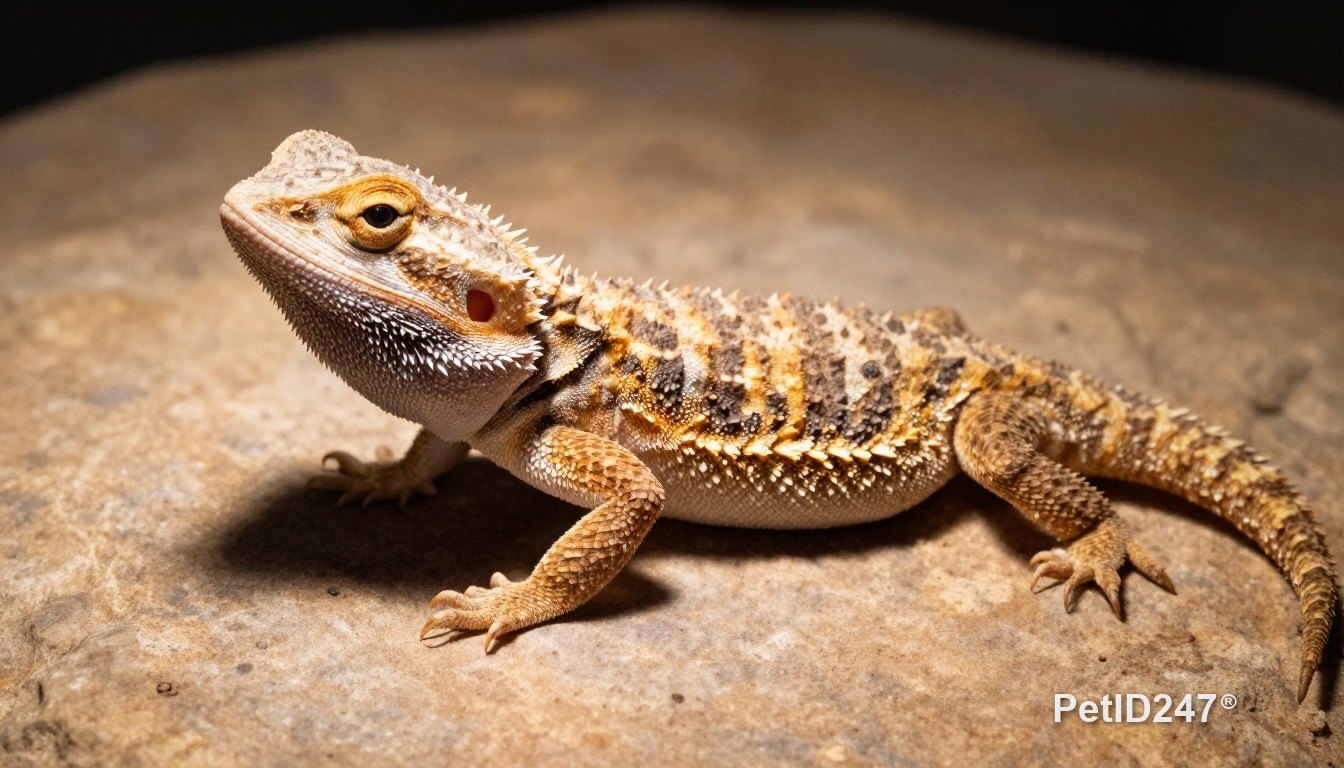
Many adult bearded dragons go through a rest period when it's cooler and days are shorter: sleeping a lot, eating very little or nothing, sometimes for several weeks. It's natural behavior, but only let your dragon brumate once you're sure it's healthy. A vet check beforehand to rule out illness is a good idea, especially if your dragon is losing weight. Juveniles generally shouldn't go through a long rest period.
Shedding
Before and during a shed, dragons may eat less and be grumpy. Shallow warm baths and a clean enclosure help the shed go smoothly.
Stress
- A new home, new enclosure, or the enclosure being moved.
- Seeing its reflection in the glass, another dragon, or dogs and cats nearby.
- An enclosure that's too small or lacks hiding places.
Review the diet
- Juveniles need more insects; adults eat mostly leafy greens and fewer insects.
- An adult refusing insects but still eating greens is normal.
- Dust food with calcium powder following the product label; give vitamin supplements as directed by your veterinarian.
- Insects that are too large can be hard to swallow and cause blockages.
Signs of illness to watch for
- Trembling, weak legs, a soft jaw or dragging itself: possible metabolic bone disease.
- Open-mouth breathing outside of basking, or discharge from the nose or mouth: possible respiratory illness.
- Runny or unusually smelly droppings, or none for a long time: possible parasites or blockage.
- A swollen belly or weak back legs after swallowing substrate.
- A female with a large belly who digs restlessly but doesn't lay.
- Sunken eyes and wrinkled skin: possible dehydration.
When to see a vet
Take your bearded dragon to a veterinarian experienced with reptiles when:
- It stops eating and loses weight even though temperature and lighting are correct.
- You notice any of the signs of illness above.
- A juvenile has a poor appetite for more than a few days.
- Before letting an adult brumate, if you're not sure it's healthy.
All medicines and parasite treatments should be used only as directed by your veterinarian. Records of weight and enclosure temperatures are very helpful at the visit.
This article was prepared with the help of artificial intelligence tools and reviewed by the PetID247 editorial team before publication. It is for reference only and does not replace an examination by a veterinarian. How we write our articles